
Road monitoring deployments in tunnels and on roadside corridors demand optical links that survive vibration, temperature swings, and long maintenance intervals. This article helps network engineers and field technicians choose a road monitoring transceiver for SFP-based systems, validate optics against real link budgets, and avoid common installation failures. You will also get a practical checklist, a troubleshooting section, and cost and compatibility notes for both OEM and third-party modules.
What “SFP for tunnel and road monitoring” really means
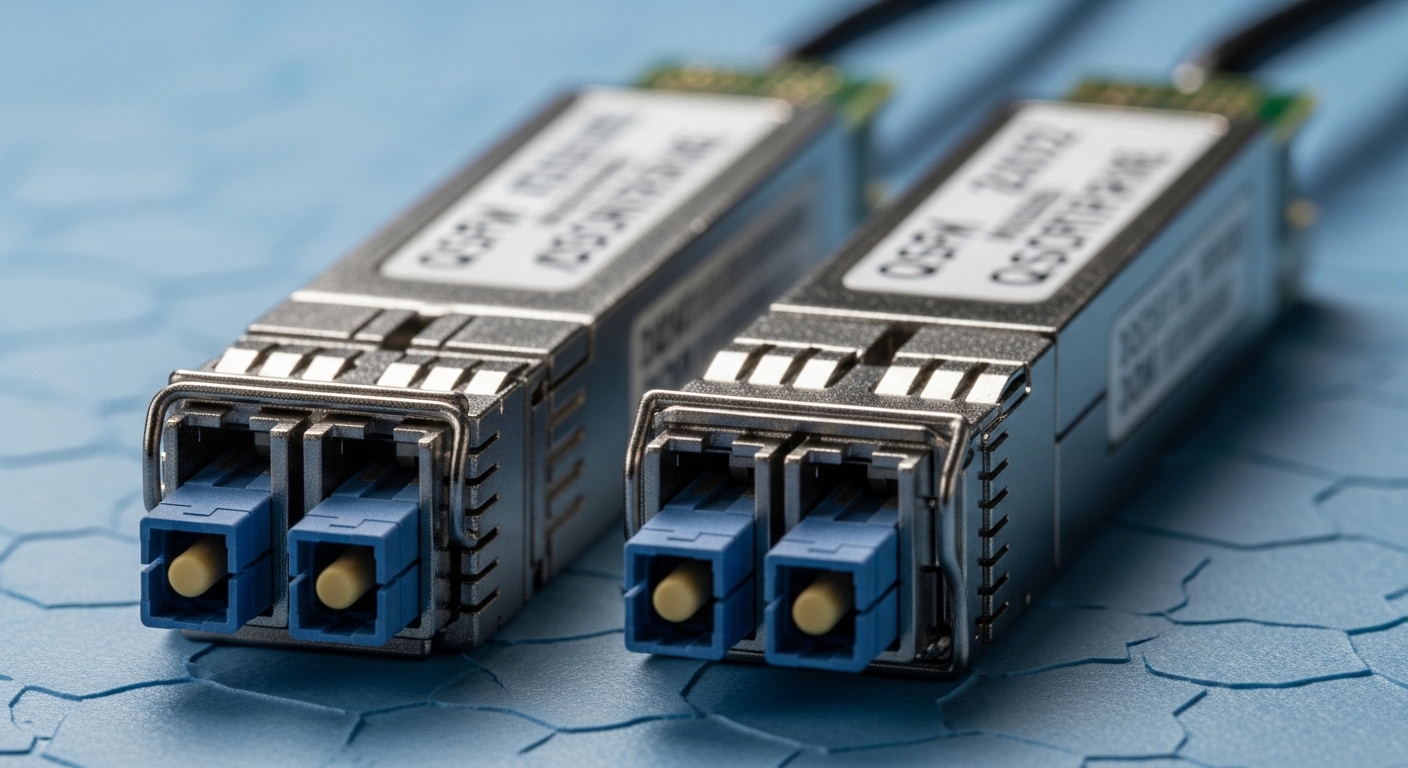
An SFP-based link in road monitoring typically carries Ethernet (often 1G) from edge devices to a tunnel control cabinet or a roadside aggregation switch. In practice, engineers pick an SFP optic based on wavelength (e.g., 1310 nm or 850 nm), reach, and connector type (LC is most common). Because these systems face harsh conditions, you also need to confirm the module supports the operational environment and that the switch vendor accepts the optics.
For tunnel segments, distance may be modest (tens to a few hundred meters), but cable plant can be noisy and installation quality varies. For roadside spans, distances can exceed typical patch-cord assumptions, so you must use a link budget that includes fiber attenuation, connector losses, splice losses, and margin for aging. When the topology uses managed switches, engineers often rely on link monitoring and alarms, so the transceiver must correctly report DOM data if you want diagnostics.
Key specifications that decide link success
Before ordering any road monitoring transceiver, map the physical layer to the electrical and optical limits. IEEE 802.3 defines Ethernet signaling behavior, but the transceiver datasheet defines the optical budget, transmit power, receiver sensitivity, and compliance margins. For deterministic deployment, confirm that the module’s temperature range matches the cabinet or conduit environment and that the connector matches your patch panel.
| Spec | What to check | Typical values (examples) | Why it matters in road monitoring |
|---|---|---|---|
| Data rate | Match switch port speed | 1G SFP; sometimes 10G in newer cabinets | Prevents negotiation failures and link flaps |
| Wavelength | 1310 nm vs 850 nm vs CWDM options | 1310 nm for longer reach single-mode; 850 nm for multimode | Determines fiber type compatibility and attenuation |
| Reach | Use datasheet reach as a starting point | Examples: multimode up to ~300 m; single-mode up to ~10 km (varies) | Road corridors often require margin beyond “rated” reach |
| Connector | LC vs SC | LC common for SFP | Prevents mismatched patch panels and field rework |
| Optical power | Tx power and Rx sensitivity | Varies by vendor and class | Directly impacts link budget and BER under stress |
| DOM support | Real-time diagnostics | DOM presence varies by OEM/compatible | Enables proactive maintenance and alarm thresholds |
| Temperature range | Industrial vs commercial | Common: -40 C to +85 C (varies) | Tunnel cabinets can exceed spec during summer |
For authoritative baseline behavior, review IEEE Ethernet physical layer requirements and verify your switch’s transceiver compatibility matrix. For DOM and diagnostics expectations, rely on the transceiver datasheet and your switch firmware release notes. [Source: IEEE 802.3 Ethernet standards] [Source: Vendor SFP datasheets and switch compatibility guides]
Pro Tip: In tunnel cabinets, the biggest real-world cause of “mystery link drops” is not the transceiver itself, but connector cleanliness and micro-bending near cable management rings. If you can, capture a fiber inspection report (end-face cleanliness and scratches) before blaming optics; it often resolves intermittent BER without changing hardware.
Deployment scenario: choosing for a tunnel-to-cabinet run
Consider a 3-tier road monitoring design where edge devices (cameras, radar processors, and environmental sensors) uplink to a tunnel control cabinet. In one common build, a managed ToR switch aggregates 48 ports at 1G, and each tunnel segment uses a pair of single-mode fibers between the roadside handhole and the cabinet. Engineers target a 1G Ethernet SFP link at 1310 nm with LC connectors and a link budget that assumes 0.35 dB/km attenuation plus typical connector and splice losses.
Field practice: if the measured fiber run is 6.2 km, and you estimate 0.6 dB total connector and splice loss plus 2.2 dB fiber attenuation, you still need margin for aging and installation variability. Selecting an SFP with Rx sensitivity that leaves at least a few dB of spare budget reduces the chance of borderline links under high cabinet temperatures. If your switch supports DOM, you can trend Tx power and Rx level during commissioning and schedule maintenance when values drift.
Selection checklist for a road monitoring transceiver (SFP)
Use this ordered checklist during procurement and pre-install validation. It reduces rework and helps you justify choices to stakeholders.
- Distance and fiber type: confirm single-mode vs multimode, then choose wavelength (typically 1310 nm for longer single-mode spans).
- Switch compatibility: verify the exact model and firmware accept the module (use the vendor compatibility list when available).
- Operating temperature: match industrial range requirements for the cabinet and conduit; confirm derating statements in the datasheet.
- DOM and monitoring needs: decide whether you require Tx/Rx diagnostics, alarm thresholds, and logging support.
- Connector and patch panel fit: confirm LC vs SC and whether pigtails are pre-terminated.
- Budget and total cost of ownership: compare OEM vs third-party pricing while accounting for failure rates, warranty terms, and swap labor.
- Vendor lock-in risk: if you rely on specific DOM behavior, test at least one module in a staging cabinet before scaling.
When evaluating specific part numbers, many deployments reference common optics families such as Cisco SFP-10G-SR (multimode) or Finisar/other vendor equivalents for single-mode; for third-party options, engineers often test units like FS.com SFP-10GSR variants in their own lab first. Always align your selected optic to the actual switch port speed (1G vs 10G) and fiber plant.
Common mistakes and troubleshooting in the field
Even when the part number looks correct, field failures happen. Below are frequent pitfalls with root causes and fixes.
Link comes up briefly, then flaps every few minutes
Root cause: marginal optical budget due to dirty connectors, high splice loss, or micro-bends in cable trays. Environmental heat in tunnels can worsen tolerance margins.
Solution: inspect and clean LC ends using proper lint-free wipes and approved cleaning tools; re-check splice loss with OTDR where feasible; secure cable management to avoid tight bend radii.
“Unsupported transceiver” alarms or no link despite correct fiber
Root cause: switch firmware rejects compatible modules, or the module’s DOM implementation differs from what the switch expects.
Solution: update switch firmware (if the vendor supports it), test the same module SKU in a staging rack, and use the transceiver compatibility matrix for your exact switch model and software version.
High error counters after installation, even though link is “up”
Root cause: elevated bit error rate from fiber contamination, damaged patch cords, or incorrect wavelength/fiber type pairing (e.g., multimode fiber used with single-mode expectations).
Solution: validate wavelength-to-fiber matching, run link diagnostics, and replace suspect patch cords; confirm the fiber type at the handhole with labeling and field verification.
Cost and ROI considerations (OEM vs third-party)
Pricing varies widely by data rate and reach, but a realistic range for many SFP optics is roughly $30 to $150 per module depending on wavelength, reach, and industrial temperature grade. OEM modules may cost more, yet they often reduce compatibility risk and shorten troubleshooting cycles. Third-party compatible modules can lower upfront spend, but you should budget for qualification testing, potential DOM quirks, and warranty-return shipping and swap labor.
For ROI, the key metric is not only module price; it is expected downtime cost. In road monitoring, a single failed optic may interrupt sensor feeds until a truck roll completes replacement. If your maintenance plan already includes spare inventory, the TCO gap narrows; if you operate remote sites with long lead times, compatibility and reliability become the dominant factors.
FAQ
What fiber type should my road monitoring transceiver support?
It depends on your installed plant. Confirm whether you have single-mode or multimode fiber, then select the transceiver wavelength accordingly, typically 1310 nm for longer single-mode links and 850 nm for multimode short runs.
Do I need DOM support for tunnel monitoring?
If you want proactive maintenance, DOM helps you trend Tx power and Rx signal and trigger alerts before a failure. If your operations center relies on transceiver telemetry, ensure your switch and module both provide compatible DOM behavior.
How do I calculate whether the link will work?
Use an optical link budget: fiber attenuation plus connector losses plus splice losses, then compare to the transceiver’s Tx power and Rx sensitivity with margin. Commissioning measurements matter: verify received optical level after installation, not just at initial power-on.
Are third-party SFP modules safe for production?
They can be, but only after you validate compatibility with your exact switch model and firmware. Test in a staging environment under expected temperature conditions, and confirm link stability and DOM reporting if required.
What is the fastest way to troubleshoot intermittent link drops?
Start with fiber cleanliness and physical handling: inspect and re-clean LC connectors, check splice enclosures, and verify bend radius near trays and cabinet doors. Then validate optical levels and error counters to distinguish marginal power from protocol or switch issues.
Which temperature range should I buy for tunnel cabinets?
Choose an industrial-grade module that matches or exceeds the cabinet’s worst-case ambient temperature. If your cabinet reaches high summer peaks, confirm the module’s guaranteed operating range and any derating notes in the datasheet.
Choosing the right road monitoring transceiver for SFP tunnel links is primarily an exercise in optical budgeting, switch compatibility, and field-ready reliability. Next, review your existing switch model’s transceiver matrix and run a staged acceptance test before scaling to all road segments via [[LINK:fiber transceiver
