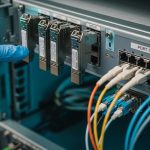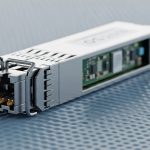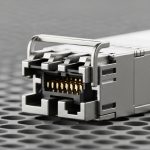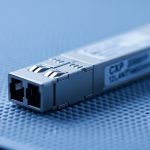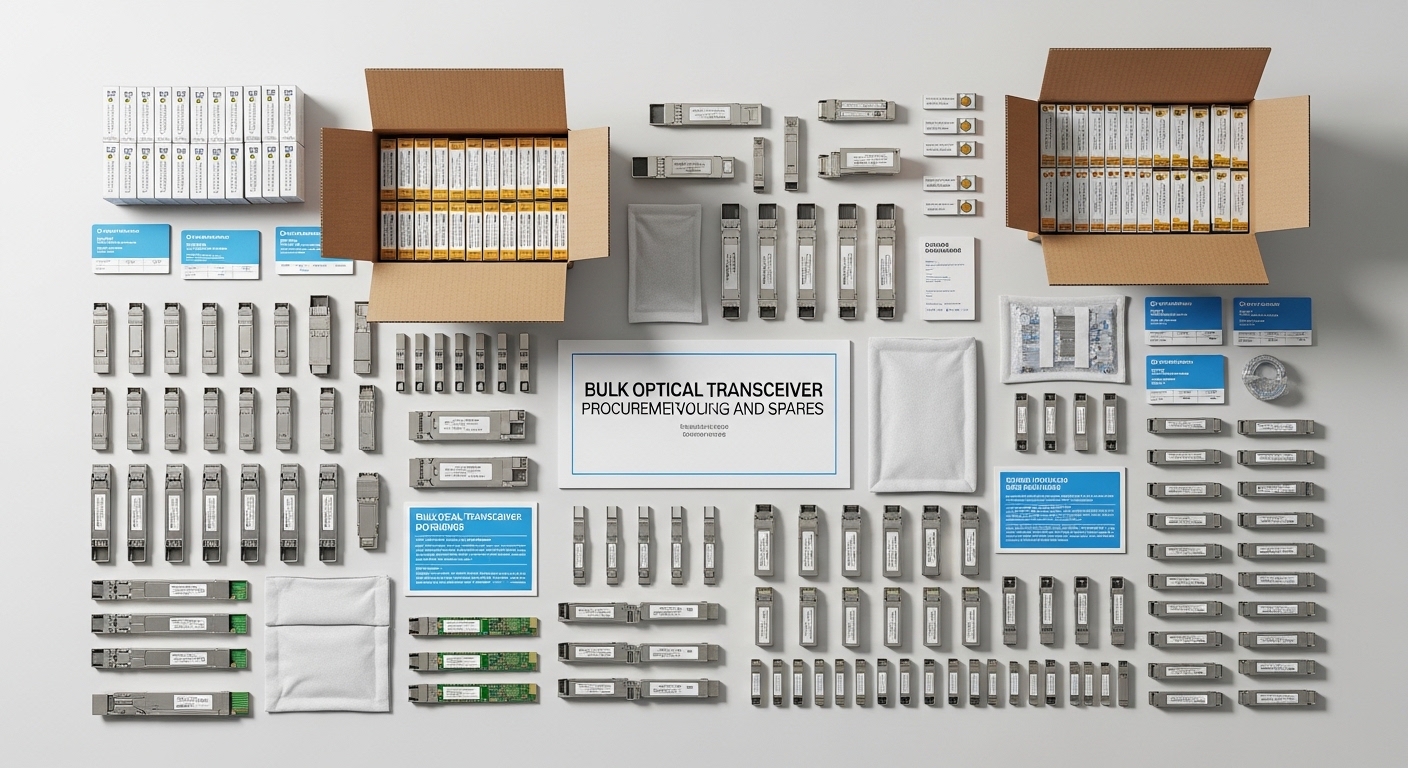
When a leaf-spine fabric grows by 64 ports in a weekend, the real risk is not the switch purchase; it is the transceiver inventory that must arrive, verify, and interoperate without drama. This guide helps network operators and procurement leads plan bulk optical transceiver spares with volume pricing discipline, compatibility validation, and receiving workflows that field engineers actually use. You will leave with a step-by-step procurement and spares implementation path, plus troubleshooting for the most common optics failures.
Prerequisites: the spares math and the verification rails
Before you ask vendors for quotes, gather the facts that drive both compatibility and lead time. For optics, the “spec sheet” is only half the story; the rest is switch vendor behavior, optics vendor firmware quirks, and DOM reporting fidelity.
Use these prerequisites to keep transceiver inventory decisions deterministic:
- Port inventory export: pull current optics models per switch and per interface.
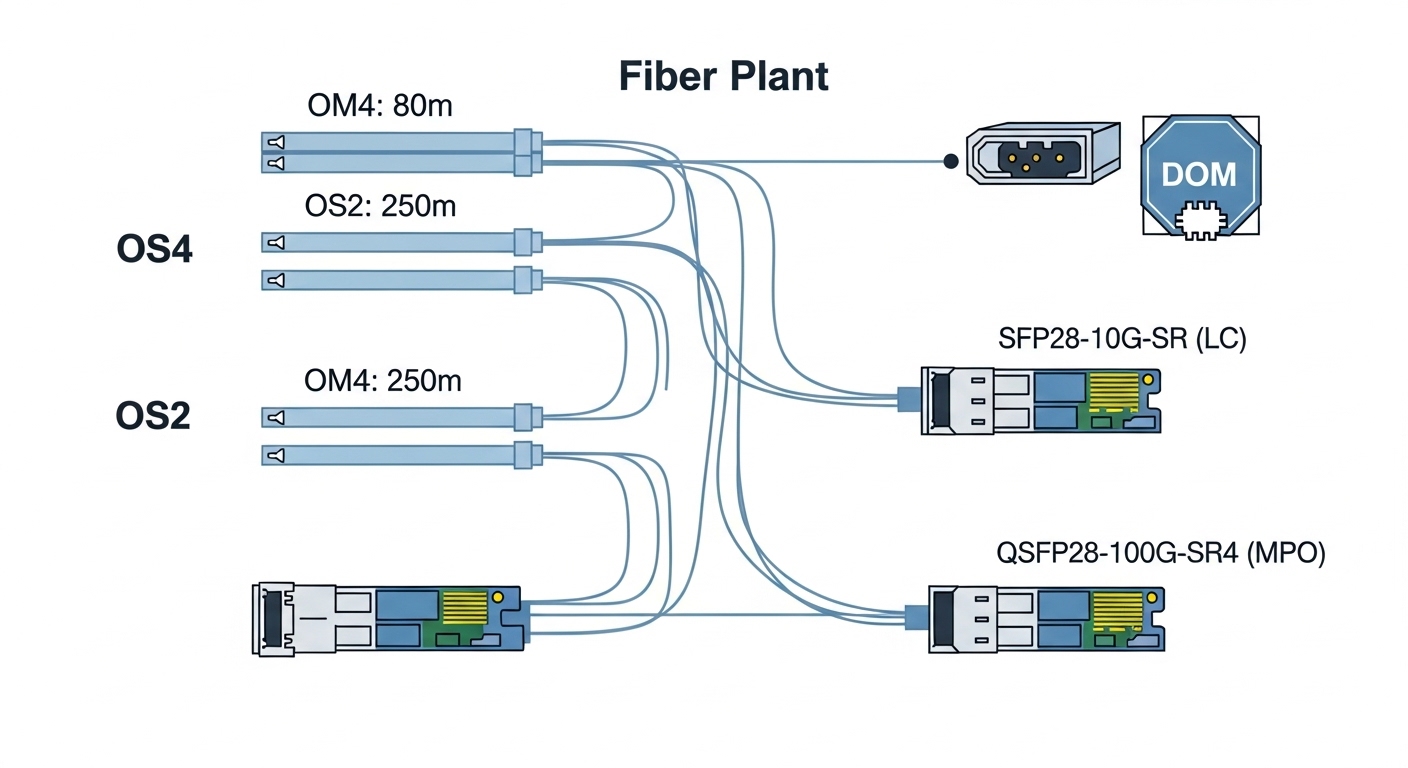
- Distance and topology: record fiber type (OM3/OM4/OS2), link length, and expected worst-case margin.
- Switch part numbers: include exact model and OS release (DOM parsing and optics tables differ).
- Vendor DOM expectations: confirm whether your monitoring stack depends on vendor-specific thresholds.
- Procurement constraints: payment terms, receiving dock hours, and whether you must stage spares by site.
Expected outcome: a single sheet that maps each interface class to an optics family (SFP/SFP+/SFP28/QSFP+/QSFP28/CFP2/OSFP), fiber type, reach class, and the switch compatibility requirement.

Step-by-step implementation: bulk procurement with spares-first discipline
Think of bulk optical procurement as two parallel tracks: volume pricing and spares readiness. Volume pricing can be optimized only if you standardize SKUs and lock compatibility early; spares readiness fails if receiving and validation are informal.
Standardize SKU families before you request quotes
Normalize transceiver inventory to fewer part numbers. For example, if you have three vendors supplying 10G SR optics that all claim 300 m on OM3, still standardize to one reach class and one form factor per switch generation. Include the exact wavelength band, nominal center wavelength, and interface speed class.
Expected outcome: a quote request that references fewer distinct SKUs, enabling true tiered pricing rather than “apples-to-oranges” comparisons.
Apply an engineer’s spares target, not a guess
Field experience often lands spares targets around 1% to 2% of installed quantity for critical links, plus a minimum per site. If your failure rate is low but blast radius is high (core uplinks, ToR to spine), bias upward and stage by geography. Track by link criticality, not by total ports.
Expected outcome: a spares bill of materials with a justified quantity per SKU family.
Quote for volume with defined acceptance criteria
When vendors quote, require acceptance criteria beyond “compatible.” Specify: module type (e.g., SFP-10G-SR class), speed (10G), reach class, connector (LC duplex), DOM feature support, and temperature range. For Ethernet interfaces, cite that optical modules must comply with the electrical and optical behavior expected by the host PHY and application; the baseline for 10G/25G/40G/100G Ethernet signaling sits under IEEE 802.3 families.
Expected outcome: a commercial offer that can be evaluated like an engineering spec, not a sales promise.
Lock compatibility using switch vendor optics tables
Before purchase orders, cross-check your switch vendor’s optics compatibility list and validate the OS version you will run during deployment. Many deployments fail not due to optics physics, but due to host behavior: DOM parsing differences, threshold assumptions, or optics cage power sequencing.
Expected outcome: a compatibility matrix mapping each SKU to each switch model and OS release.
Receive, verify, and burn down risk immediately
Create a receiving checklist that treats each batch as a mini-lab. Validate DOM presence, read TX/RX power, confirm link up at line rate, and run at least a short traffic test. For optics, power and LOS behavior are the earliest tell; a module that passes “link up” but shows unstable RX power will cause intermittent resets later.
Expected outcome: batch-level acceptance with traceability back to vendor lot and module serial number.
Pro Tip: In many environments, the fastest way to reduce transceiver inventory churn is not to buy “more spares,” but to require DOM sanity checks during receiving and to standardize on one optics vendor per speed class per switch generation. Intermittent field issues often correlate with DOM threshold interpretation differences between switch OS releases, not with the physical optics alone.
Key optical specifications that drive fit and pricing
Bulk pricing correlates strongly with standardized optics families: wavelength band, reach class, and connector type. Below is a compact comparison you can use to align spares SKUs with your fiber plant and switch PHY expectations.
| Module type | Wavelength | Typical reach (MMF/SMF) | Connector | DOM | Operating temp | Common host use |
|---|---|---|---|---|---|---|
| SFP-10G-SR (10GBASE-SR) | ~850 nm VCSEL | OM3: ~300 m; OM4: ~400 m | LC duplex | Yes (per vendor) | 0 to 70 C or -40 to 85 C (variant) | ToR and server access |
| QSFP28-100G-SR4 (100GBASE-SR4) | ~850 nm (4 lanes) | OM4: ~100 m typical | MPO/MTP | Yes (per vendor) | 0 to 70 C or -40 to 85 C | Leaf uplinks and aggregation |
| SFP28-25G-SR (25GBASE-SR) | ~850 nm | OM4: ~100 m typical | LC duplex | Yes (per vendor) | 0 to 70 C or -40 to 85 C | Higher-density access |
For authoritative Ethernet behavior and link requirements, use IEEE 802.3 references aligned with your speed class. For concrete module behavior and DOM fields, rely on vendor datasheets and host compatibility notes. [Source: IEEE 802.3] and [Source: vendor SFP/QSFP datasheets]
Selection criteria checklist for transceiver inventory decisions
Use this ordered checklist when selecting SKUs for bulk orders and spares staging. It is designed to reduce rework, RMA cycles, and “it links but it is unstable” surprises.
- Distance and fiber type: verify OM3 vs OM4 vs OS2, and ensure the specified reach margin matches your measured link loss.
- Budget vs standardization: volume pricing works best when you reduce SKU variety per switch generation.
- Switch compatibility: confirm optics are supported on your exact switch model and OS version.
- DOM support and monitoring integration: ensure your monitoring stack can parse DOM safely and that thresholds won’t trigger false alarms.
- Operating temperature: choose extended temperature (-40 to 85 C) for outdoor or poorly controlled racks.
- Vendor lock-in risk: balance OEM reliability with third-party availability; maintain at least one alternate vendor for critical SKU families.
Expected outcome: a defensible selection record that procurement can execute and operations can support.
Real-world deployment scenario: spares staging for a 10G ToR refresh
In a 3-tier data center leaf-spine topology with 48-port 10G ToR switches, a rollout adds 10 new racks and upgrades 6 existing racks. Each rack uses 40 server-facing 10G links and 8 uplinks, totaling 480 server ports and 96 uplink ports at 10G. The site uses OM4 fiber with patch runs averaging 55 m measured at commissioning. The team targets 1.5% spares for the uplink class (highest blast radius) and 1.0% for server access, resulting in roughly 10 to 12 spare SFP-10G-SR modules per cluster, staged by rack row.
They request bulk pricing for a single standardized SKU family (same reach class, same connector type, same DOM behavior), then perform receiving validation: DOM readout, link-up at target rate, and short traffic with interface counters checked for CRC or drops. This approach keeps transceiver inventory predictable during the refresh window and prevents “mystery RMA” losses that often appear only after traffic load ramps.
Common pitfalls and troubleshooting for optical module procurement
Even with correct SKUs, field failures cluster into a few repeatable patterns. Below are top failure modes with root causes and fixes.
Pitfall 1: “Link up” but unstable traffic (intermittent resets)
Root cause: marginal optical power due to dirty connectors, damaged fiber ends, or a module with out-of-spec bias behavior. Solution: clean LC/MPO connectors with approved lint-free methods, re-terminate if needed, and verify TX/RX power and error counters during receiving and after swap. If DOM shows abnormal readings, quarantine that lot.
Pitfall 2: Switch rejects module or shows DOM alarms
Root cause: DOM field interpretation differences, unsupported vendor-specific thresholds, or mismatch between module class and host expectations. Solution: confirm compatibility in the vendor optics list for the exact switch OS release; update OS if the vendor documents DOM parsing fixes; require DOM sanity checks and alarm threshold review in your monitoring stack.
Pitfall 3: Wrong temperature variant deployed to hot racks
Root cause: purchasing only “0 to 70 C” parts for environments that experience higher internal cage temperatures, causing thermal drift and early life failures. Solution: select extended temperature (-40 to 85 C) for hot aisles, confirm airflow direction, and log cage temperatures during acceptance tests.
Cost and ROI note: how bulk pricing meets total cost of ownership
Typical price ranges vary by speed class and vendor channel. As a practical planning baseline, OEM modules often cost more but reduce integration risk; third-party modules can be 10% to 40% cheaper depending on volume and compatibility guarantees. Your ROI is not only purchase price: it is also failure rate, RMA handling time, and outage risk. For transceiver inventory, TCO improves when you standardize SKUs, enforce receiving validation, and maintain spares with traceability to vendor lot and serial numbers.
Expected outcome: procurement that buys at the best tiered price while protecting operational continuity through measurable acceptance criteria.
FAQ
Q: How much spare capacity should we keep in transceiver inventory?
A: For critical uplinks, teams often target 1% to 2% of installed