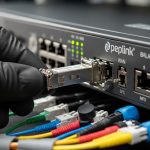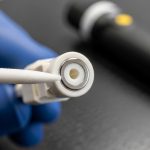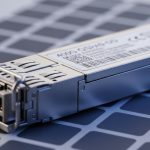
In Open RAN deployments, the wrong optics can turn into intermittent link drops, degraded HARQ timing, or costly truck rolls. This article helps radio access and transport engineers choose the right Open RAN optics for 2026 by mapping real requirements (reach, power, temperature, and DOM behavior) to vendor-validated module families. You will get a step-by-step selection workflow, a specs comparison table, and a troubleshooting checklist drawn from field failures I have seen in live leaf-spine and fronthaul aggregation.
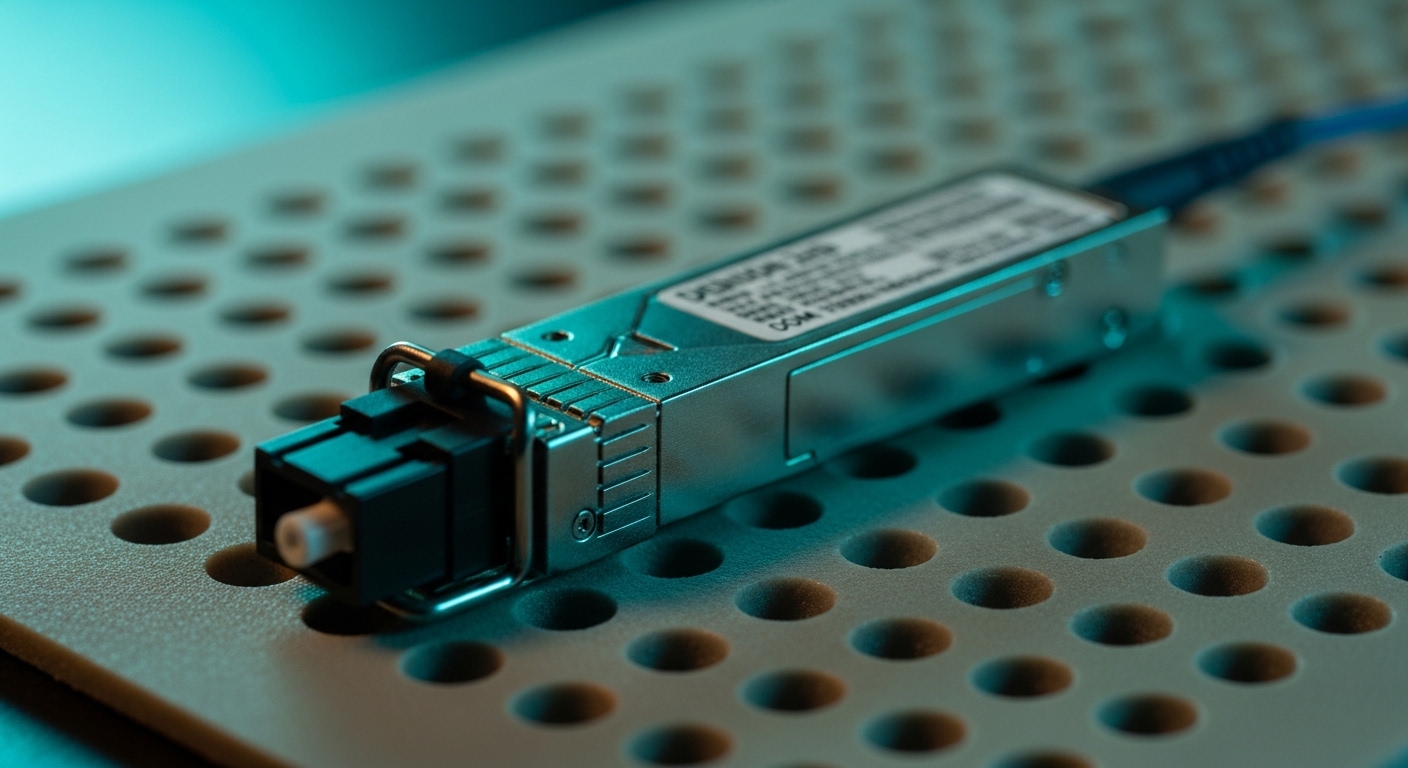
Prerequisites: what you must know before buying Open RAN optics
Before you compare part numbers, collect the physical-layer constraints from your Open RAN radio and transport design. You need the fronthaul/aggregation topology (often 10G/25G/100G Ethernet), the fiber type (OM3/OM4/OS2), and the target reach budget including patch cords and splitters. You also need the switch or O-RU/O-DU optics compatibility guidance, plus whether you require digital optical monitoring (DOM) and alarms.
From operational experience, I recommend you also capture ambient temperature ranges at the radio cabinet and in the transport room. Many issues blamed on “bad optics” are actually thermal derating or DOM reporting quirks under high humidity and dust. Finally, confirm whether your system uses vendor-specific transceiver enforcement (for example, strict QSFP/SFP EEPROM vendor checks) that can block third-party modules.
Step-by-step implementation: select the right Open RAN optics
Lock the interface standard and lane rate
Map each link to the Ethernet PHY your O-DU and aggregation switches support. Common Open RAN fronthaul/transport segments use 10GBASE-SR (SFP+), 25GBASE-SR (SFP28), or sometimes 100GBASE-SR4 (QSFP28). Validate that the optics form factor matches the host cage (SFP vs SFP28 vs QSFP28) and that the host firmware supports that module class.
Reference the relevant IEEE PHY specifications for electrical/optical behavior and nominal parameters: IEEE 802.3 for 10GBASE-SR/SR4 and 25GBASE-SR. anchor-text: IEEE 802.3 standard index
Expected outcome: You have a per-link list of required data rate, form factor, and modulation family (SR multimode vs LR/ER OS2).
Choose reach and fiber type using a real link budget
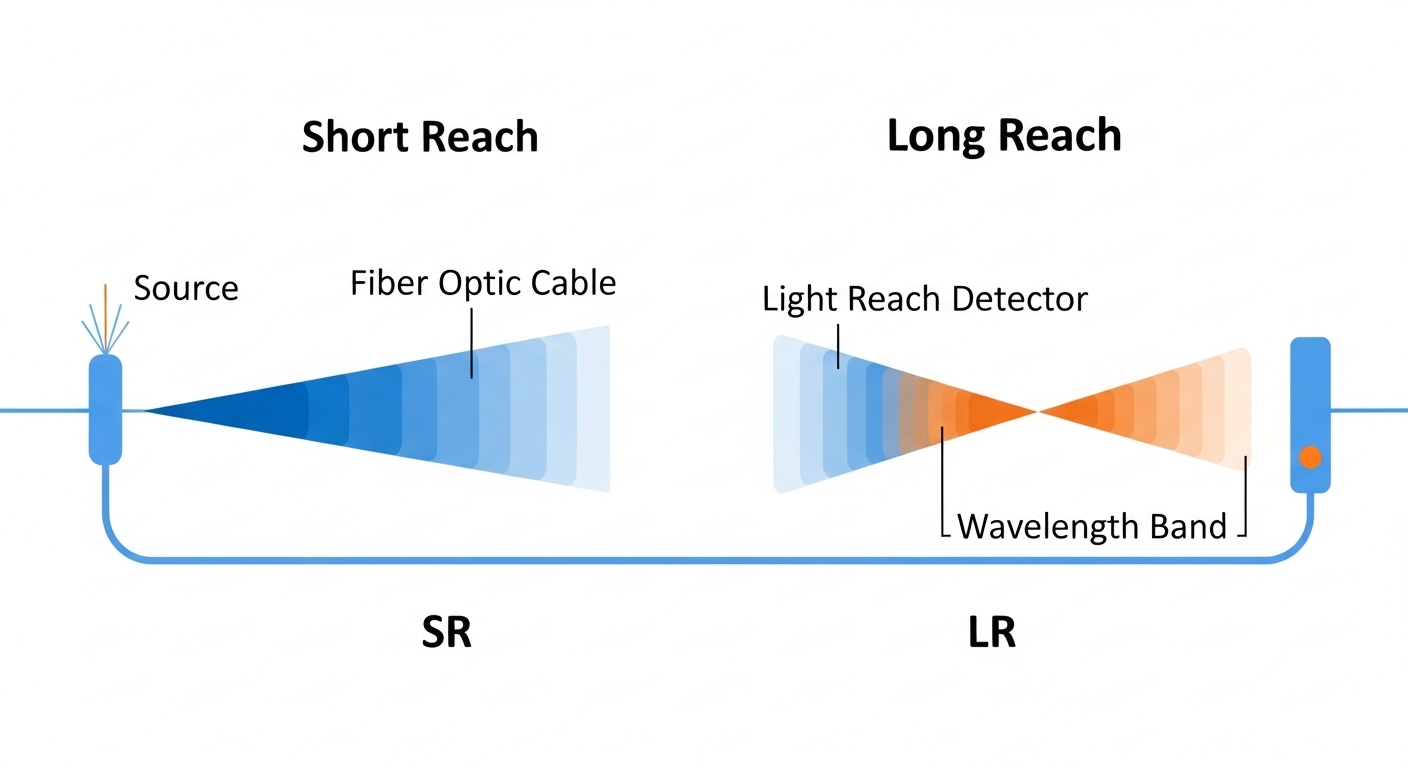
Build a link budget that includes fiber attenuation, connector loss, and patch cord penalties. For multimode SR optics, the effective reach depends on OM3/OM4 launch conditions and modal bandwidth; for OS2 LR/ER it depends on attenuation and dispersion. As a baseline, treat patch cords, couplers, and dirty connectors as contributors that can easily consume 20–30 percent of your margin.
Expected outcome: You select SR for short multimode spans or LR/ER for longer OS2 runs, with documented margin.
Verify module power class and thermal rating against cabinet conditions
Open RAN cabinets can exceed room temperature during summer peak, especially near power distribution. Check the optics datasheet for operating temperature and typical power. For high-density DUs, also consider host airflow direction and the module’s maximum power envelope to avoid thermal throttling.
Expected outcome: Optics operating range covers your measured worst-case ambient, not just the lab spec.
Confirm DOM support and interoperability behavior
DOM is usually required for alarms (temperature, bias current, received power) and for preventive maintenance. However, DOM implementation details vary across vendors, including alarm thresholds and readout scaling. Validate that your network management stack reads module diagnostics reliably and that threshold events map cleanly to your telemetry pipeline.
Pro Tip: In the field, the most time-saving validation is to run a scripted DOM polling test for 24–48 hours under real cabinet temperatures, not just a link-up check. I have seen “works on day one” optics fail when DOM reports out-of-range values due to thermal drift, causing automated shutdown policies on some controllers.
Select from known-compatible module families (and plan for lock-in risk)
Use vendor compatibility lists where available, or at minimum test with your exact switch and your exact radio/DU firmware. Some OEMs enforce transceiver EEPROM fields or restrict optics vendors for compliance. Mitigate lock-in risk by maintaining a small approved alternates pool and by using consistent DOM behavior in your monitoring.
Expected outcome: You reduce the probability of cage rejection, PHY instability, and operational surprises.
Key Open RAN optics specs: what matters most for 2026
Engineers typically focus on wavelength and reach, but for Open RAN optics the more failure-prone items are DOM behavior, thermal envelope, and connector/patch hygiene. Below is a practical comparison of common module classes engineers use for Open RAN transport segments.
| Module class (example part) | Typical data rate | Wavelength | Reach (typical) | Connector | DOM | Operating temperature |
|---|---|---|---|---|---|---|
| SFP+ SR (e.g., Cisco SFP-10G-SR) | 10GBASE-SR | 850 nm | ~300 m on OM3 | LC | Yes (vendor-dependent) | 0 to 70 C (typical) |
| SFP28 SR (e.g., Finisar FTLX8571D3BCL, FS.com SFP-10GSR-85 class) | 25GBASE-SR | 850 nm | ~100 m on OM3 / up to ~150 m on OM4 (varies) | LC | Yes | -5 to 70 C or similar (datasheet-specific) |
| QSFP28 SR4 (example: 100GBASE-SR4) | 100GBASE-SR4 | 850 nm | ~100 m on OM4 (varies by spec) | MT/MPO-12 (typical) | Yes | 0 to 70 C (typical) |
| OS2 LR (e.g., QSFP28 LR4 class) | 100GBASE-LR4 | ~1310 nm | ~10 km (typical) | LC | Yes | -5 to 70 C (typical) |
When you choose, treat reach as a design target, not a marketing number. Actual performance depends on fiber plant quality, patch cord length, insertion loss, and cleaning practices.
For optical safety and operational guidance, also align with vendor datasheets and OEM transceiver documentation. As general background for optics behavior and PHY framing, use IEEE 802.3 material via the standard index. anchor-text: IEEE 802.3 working group
Selection criteria checklist for Open RAN optics purchases
- Distance and fiber type: OM3/OM4 vs OS2; include patch cords, splitters, and connector count.
- Data rate and host compatibility: SFP/SFP28/QSFP28 form factor and cage support; confirm PHY mode.
- DOM requirements: monitoring fields, alarm thresholds, and your telemetry parser expectations.
- Operating temperature and power: cabinet worst-case ambient; ensure margin for maximum power and airflow.
- Switch and O-DU enforcement: EEPROM vendor checks, vendor allowlists, and firmware compatibility.
- Vendor lock-in risk: maintain alternate sources and run pre-acceptance tests.
- Connector type and cleanliness process: LC vs MPO; implement cleaning and inspection cadence.
Expected outcome: A documented selection decision that can survive procurement, compliance, and field acceptance.
Common mistakes and troubleshooting tips (field-tested)
Below are the most frequent Open RAN optics failure modes I have observed, along with root cause and fixes.
Troubleshooting failure point 1: Link flaps after thermal ramp
Root cause: optics operate near the edge of the temperature envelope; DOM alarms trigger host-side policies, or laser bias drifts under heat soak. Solution: measure cabinet ambient at the exact DU bay location, confirm module operating range on the datasheet, and improve airflow. Re-test with DOM polling for 24–48 hours at peak temperature.
Troubleshooting failure point 2: “Works with one patch cord, fails with another”
Root cause: connector contamination or marginal endface geometry; multimode SR is especially sensitive to launch conditions and fiber cleanliness. Solution: inspect with a fiber microscope, clean using validated procedures, and standardize patch cord lengths and connector quality. Replace suspect patch cords and verify insertion loss.
Troubleshooting failure point 3: Host refuses optics or PHY stays down
Root cause: EEPROM fields mismatch host allowlists or firmware expects a specific transceiver class. Solution: check vendor compatibility guidance for your switch model and firmware; if no list exists, run a controlled lab test. As a fallback, deploy approved OEM optics for the first acceptance wave.
Cost and ROI note: OEM vs third-party for Open RAN optics
In practice, OEM optics often cost more upfront but reduce acceptance risk. Third-party modules can be 20–40 percent cheaper, yet they may increase TCO if you spend more time in qualification, troubleshooting, or RMA logistics. For fronthaul and aggregation links, the ROI is usually driven by failure rate, replacement turnaround, and the operational cost of downtime during maintenance windows.
For budgeting, treat optics as a part of a system: include labor for cleaning/inspection, spare inventory strategy, and test time. In many rollouts, the best ROI comes from stocking one or two approved alternatives plus enforcing a consistent DOM validation and fiber hygiene process.
FAQ
What types of Open RAN optics are used most often?
Most deployments use SR (850 nm) optics for short multimode links and LR/ER (1310/1550 nm) optics for longer OS2 runs. The exact choice depends on whether your fronthaul and aggregation segments are within typical OM3/OM4 reach targets.
Do I need DOM for Open RAN optics?
DOM is strongly recommended for operational visibility: temperature, bias current, and received power help with preventive maintenance