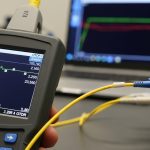
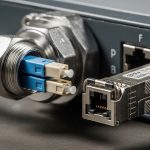
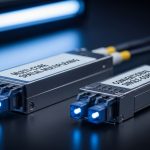
Pre-terminated data center fiber assembly options can cut installation time for SFP-based links, but the wrong connector, length, or fiber type can strand ports fast. This article helps network and cabling teams evaluate pre-terminated runs for 1G/10G SFP and 25G SFP28 optics, with field-tested selection criteria and troubleshooting. You will also get a ranked comparison table and common failure modes we see during turn-up.
Top 1: Factory-terminated MPO/MTP trunks for SFP fan-out
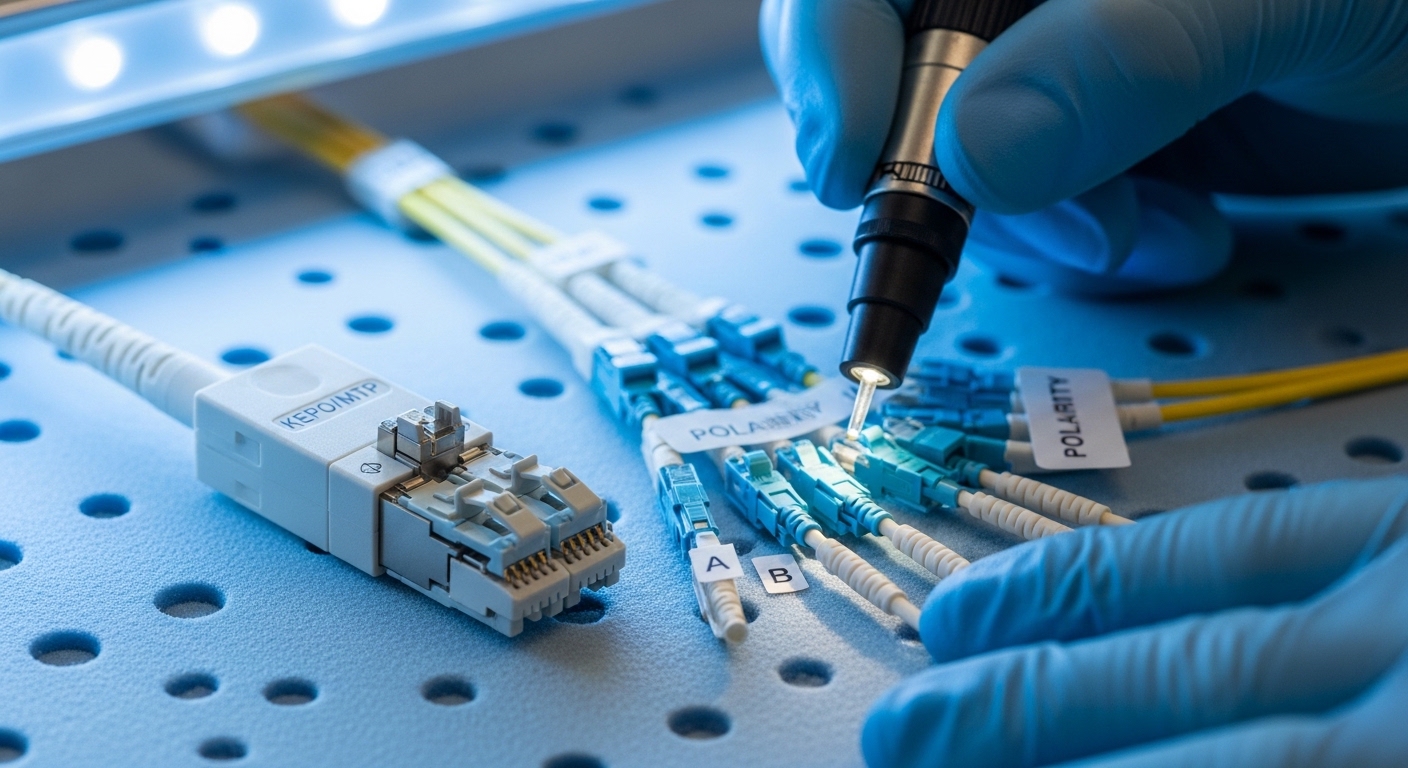
If you run dense spine-to-row connectivity and break out to many SFP ports, MPO/MTP trunks plus fan-out cassettes are efficient. Typical use is to land an MPO trunk in a breakout panel, then use short patch cords to reach SFP-equipped switches. In practice, we target OM4 multimode for 10G-SR (and sometimes 25G-SR) when distance fits, and we verify polarity with the vendor’s mapping guide before first light.
Key specs to check: connector type (MPO/MTP), polarity scheme (A/B or keyed), insertion loss, and bend radius. For multimode, confirm that the assembly is rated for the intended wavelength (850 nm for most SR optics). If the SFP modules are SR-only, stay multimode; if you must support LR/ER, use OS2 single-mode assemblies.
- Best-fit scenario: 3-tier data center leaf-spine with 48x10G ToR ports per leaf and 2-4 uplink waves per rack.
- Pros: fastest breakout, high density, repeatable polarity.
- Cons: polarity mistakes cause dead links; higher upfront BOM cost.
Top 2: Pre-terminated LC-to-LC multimode patch assemblies for SR optics
For straightforward point-to-point runs (switch to patch panel, or panel to transceiver breakout), LC-to-LC pre-terminated assemblies are the lowest-friction option. They are common when you use 10G-SR SFPs and keep distances within OM4 expectations. In turn-up, we measure end-to-end loss on each assembly and compare to the transceiver budget used by the switch vendor.
Key specs to check: fiber type (OM3 vs OM4), endface polish (typically PC), connector grade, and length tolerance. Confirm the assembly’s specified insertion loss per length and the maximum attenuation allowed at 850 nm for multimode.
- Best-fit scenario: 10G-SR SFP links between a rack PDU cabinet and a top-of-rack switch patch area, with patch panel routing.
- Pros: easy to troubleshoot, minimal polarity complexity.
- Cons: less dense than MPO trunks; more individual links to manage.
Top 3: OS2 single-mode pre-terminated assemblies for SFP LR optics
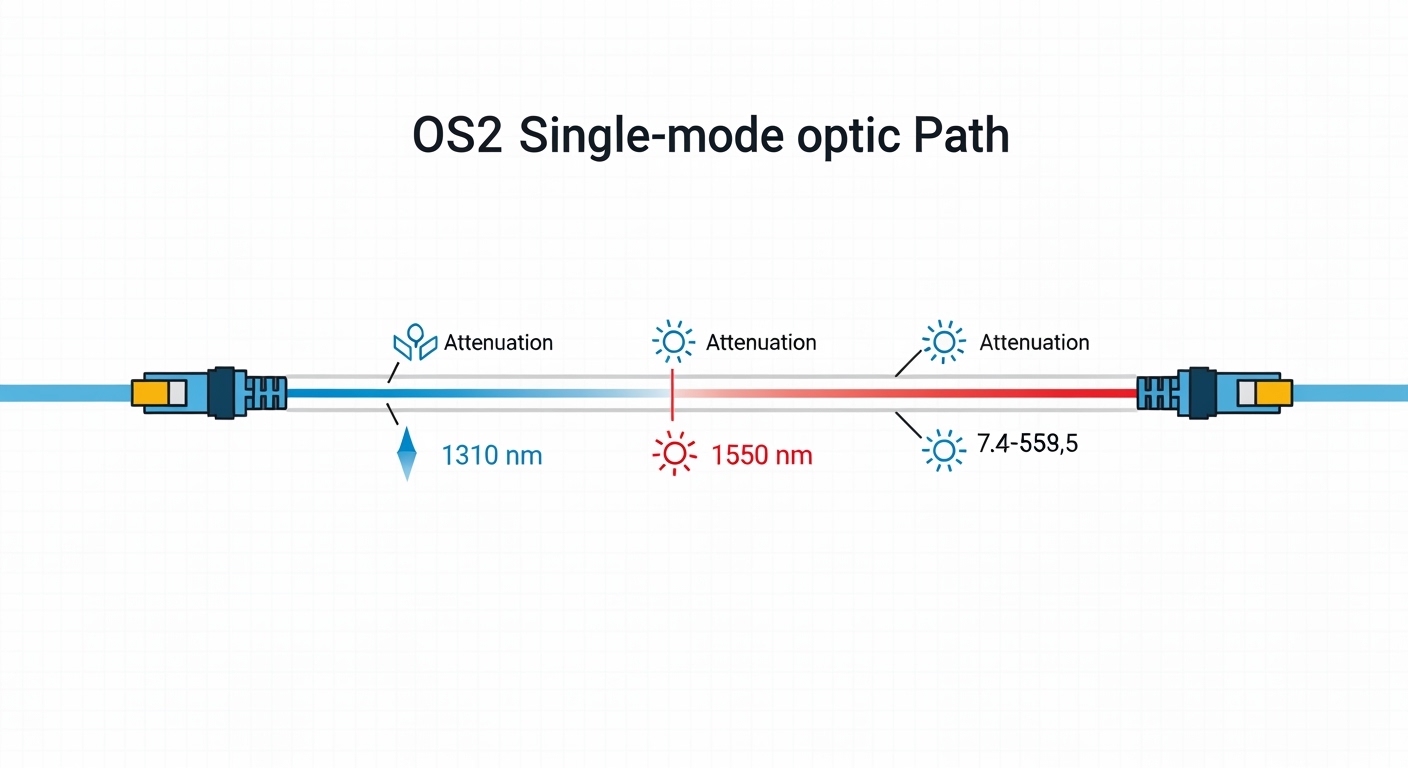
When you need longer reach or you are standardizing on OS2 for future growth, pre-terminated single-mode assemblies reduce field splicing. OS2 is also the safer choice when you mix vendors or plan to expand to LR-class SFPs later. We specify OS2 assemblies with low-loss connectors and verify that the connector polish and cleaning method match the transceiver requirements.
Key specs to check: wavelength range (commonly 1310/1550 nm depending on optics), connector type (LC is typical), and insertion loss. Ensure the assembly includes traceable test results (IL and OTDR or equivalent) from the factory.
- Best-fit scenario: inter-row links using 10G-LR SFPs from a leaf to an aggregation patch bay.
- Pros: supports longer distances, cleaner future upgrade path.
- Cons: higher per-port cost; multimode optics will not work on OS2 runs.
Top 4: Pre-terminated MMR-style harnesses for SFP breakout panels
Some data centers deploy breakout panels where a single harness feeds multiple SFP positions. Pre-terminated harnesses (often using multi-fiber ribbons internally with factory-polished ends) help you standardize port mapping and reduce “unknown length” problems that show up during phased expansions. We validate that the harness labeling matches the switch port numbering and that polarity or ribbon orientation is documented.
Key specs to check: harness fiber count, internal polarity mapping, connector types at both ends, and bend radius during installation. If the harness uses ribbon-to-connector conversion, ask the vendor for connector grade and test documentation.
- Best-fit scenario: 25G SFP28 deployments where rack rows are expanded in blocks of 8 or 16 ports per stage.
- Pros: consistent port mapping, fewer onsite connector terminations.
- Cons: less flexible if you reconfigure port layouts later.
Top 5: Pre-terminated hybrid assemblies with mixed multimode and single-mode options
Hybrid designs are useful when you need a mostly multimode fabric but must reserve a subset for LR optics. Instead of maintaining two separate cable plants, some teams order hybrid assemblies with clear labeling and segregation in patch management. The key is to prevent accidental cross-connection at the patch panel.
Key specs to check: strict labeling, separate routing trays or physical segregation, and documentation that ties fiber type to connector end. We also require a verification light test after patching, not just at the factory.
- Best-fit scenario: dual-use racks where most servers use 10G-SR but a few use 10G-LR uplinks.
- Pros: simplifies logistics, reduces duplicate materials.
- Cons: higher risk of mispatching without strong labeling discipline.
Top 6: Assembly test reports and connector endface polish verification
Factory termination is only as good as the test data that comes with it. For SFP deployments, we want assemblies with traceable test results that include insertion loss (IL) and connector cleanliness checks (or at least ferrule inspection standards). In the field, we still clean before mating and re-verify with a light source and power meter or the switch transceiver diagnostics.
Key specs to check: IL test wavelength (850 nm for OM4, 1310/1550 nm for OS2), measurement method, and pass/fail thresholds. Ask for connector endface polish type and ferrule material.
- Best-fit scenario: multi-vendor SFP procurement where you need consistent optical budgets across spares.
- Pros: faster acceptance testing, fewer “mystery” outages.
- Cons: no test report means you inherit the risk.

Top 7: Environmental qualification for high-density racks (temperature and handling)
Pre-terminated assemblies live in real racks: hot aisles, frequent moves, and tight bend spaces. We choose assemblies with an operating temperature range that matches the site’s worst-case HVAC conditions and with cable jacket material rated for data center use. Handling matters: even “low-loss” assemblies can fail if you exceed bend radius during installation.
Key specs to check: operating temperature range, minimum bend radius, jacket type, and pull tension limits. Confirm that connector strain relief is adequate for your routing path.
- Best-fit scenario: 25G upgrades in existing hot-aisle deployments where patching density is high.
- Pros: fewer connector failures, better long-term reliability.
- Cons: better-qualified assemblies cost more.
Top 8: Vendor compatibility, DOM behavior, and optics budget alignment
While the assembly is passive, transceiver behavior can mask a cabling issue. Some SFP modules with DOM report temperature or digital diagnostics that help you confirm you are actually getting optical link. Still, you must align the assembly loss with the optics budget defined by the transceiver datasheet and the IEEE reach expectations.
Key specs to check: SFP type (SR vs LR), wavelength, and reach class; then match assembly fiber type and length. If you use third-party optics, verify compatibility with your switch vendor and ensure the optics support the target wavelength.
- Best-fit scenario: mixed OEM and compatible SFPs during staged migrations.
- Pros: reduces downtime during acceptance testing.
- Cons: DOM and compatibility quirks can complicate debugging.
| Assembly type | Typical connector | Fiber type | Wavelength focus | Reach fit (rule of thumb) | Temperature range (target) |
|---|---|---|---|---|---|
| MPO/MTP trunk + breakout | MPO/MTP + LC | OM4 MM | 850 nm | 10G-SR short links; verify 25G-SR budget | 0 to 70 C site-compliant jackets |
| LC-to-LC patch assembly | LC | OM4 MM | 850 nm | Within SR reach; check IL vs optics budget | 0 to 70 C |
| LC-to-LC pre-terminated OS2 | LC | OS2 SM | 1310/1550 nm | LR/ER class links depending on optics | 0 to 70 C |
Pro Tip: During acceptance, verify polarity and loss after patching, not just at the factory. We have seen “perfect” assemblies fail because MPO keying or fan-out cassette orientation was reversed during rack labeling changes.
Selection criteria and decision checklist for data center fiber assembly
- Distance and link budget: measure planned route length, then compare to transceiver datasheets and your switch vendor optical budget.
- Fiber type alignment: OM3/OM4 for SR; OS2 for LR/ER. Do not mix without a deliberate hybrid plan.
- Switch and transceiver compatibility: confirm the SFP model supports the wavelength and reach class; check DOM behavior if you rely on diagnostics.
- Connector and polarity mapping: for MPO/MTP, confirm polarity scheme and labeling (A/B) matches your patch panel design.
- DOM and operational visibility: if link flaps, DOM can help distinguish optical power issues from admin/port settings.
- Operating temperature and jacket spec: match site HVAC and airflow; ensure bend radius during install.
- Test report requirements: require factory IL measurements at the correct wavelength and traceability for each assembly.
- Vendor lock-in risk: prefer standardized connectors (LC, MPO/MTP) and keep part numbers documented for spares.