
If you are planning a 2026 network refresh and you are stuck between SFP vs QSFP-DD, this is for you. I have helped field teams standardize transceivers across leaf-spine racks, and the biggest surprises were not raw bandwidth but power draw, optics reach, and switch compatibility. This article walks through the decision like an operator: what to buy today, what breaks during install, and how to avoid expensive respins.
Top 1: Understand the form factor mismatch hiding behind the bandwidth hype
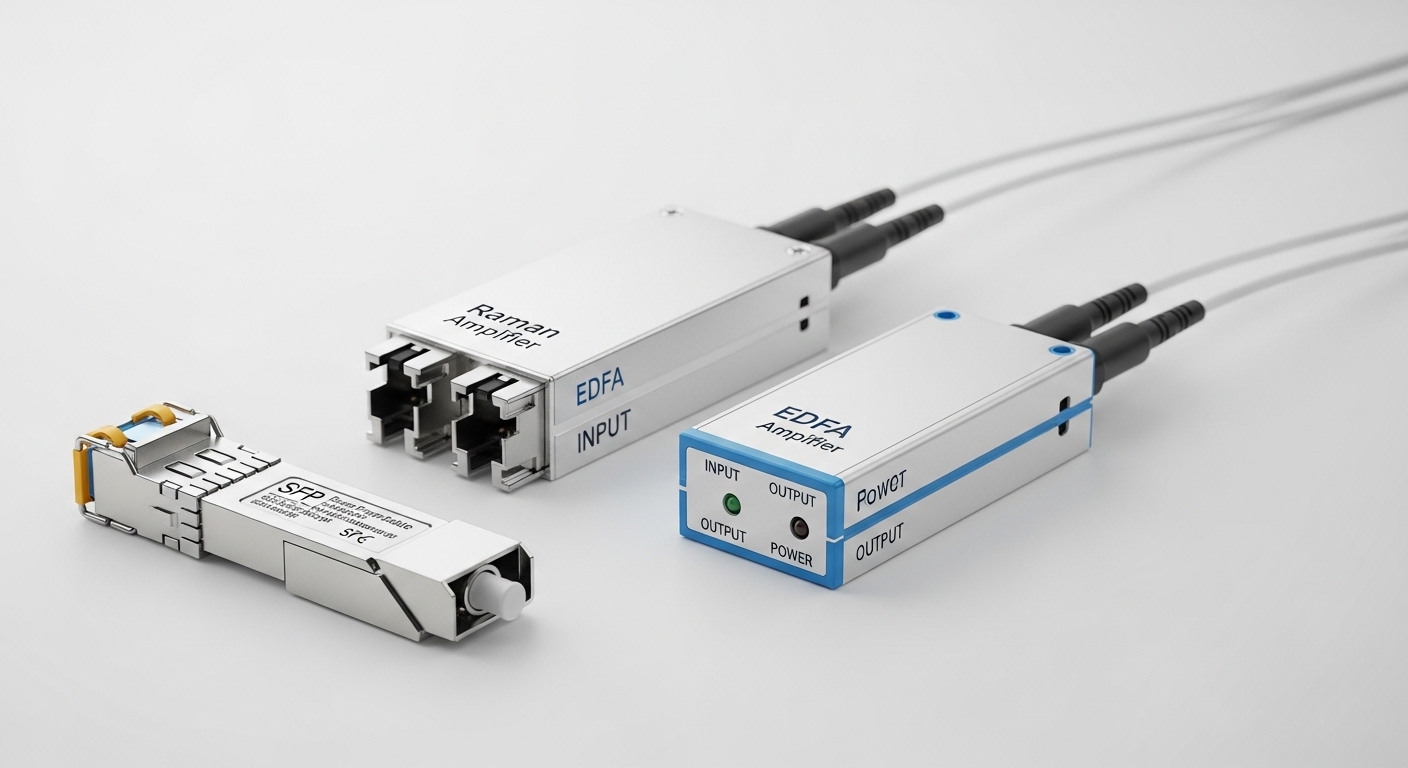
On paper, it looks like a straight throughput question. In real deployments, SFP (small form-factor pluggable) and QSFP-DD (quad small form-factor pluggable double density) are different ecosystems with different lane counts, electrical interfaces, and thermal behavior. IEEE Ethernet standards define Ethernet PHY behavior, but vendors still enforce strict module qualification rules for each switch model. Start by treating this as an interface and optics compatibility problem, not just a speed problem. transceiver compatibility basics
Typical lane model: SFP modules commonly use fewer lanes (often 1 lane per direction at 10G/25G generations, or 2 lanes aggregated for 50G class depending on the exact module), while QSFP-DD usually carries more lanes to pack higher aggregate rates into the same footprint. That means the host port must support the correct electrical pinout and SerDes configuration. If it does not, the switch may detect the module but refuse link training, or it may negotiate at a lower mode that silently breaks your design assumptions.
For Ethernet PHY expectations, keep the baseline in mind: Ethernet over fiber is standardized at the MAC/PHY level in IEEE 802.3, but module implementations are vendor-specific. IEEE 802.3 Ethernet Standard
- Best-fit scenario: You are deploying a mixed fleet and need predictable behavior across many switch models.
- Pros: SFP is widely supported and easy to source; QSFP-DD is high density for bandwidth consolidation.
- Cons: QSFP-DD can be restrictive by switch model and optics vendor; SFP may force more ports for the same aggregate traffic.
Top 2: Compare optics reach and wavelength options like you are designing for failure
Reach is not just “how far can it go.” It is also “how much margin do you have after connector loss, patch panel variability, and aging.” In the field, I have seen engineers buy the right nominal reach and still miss link stability because of dirty ferrules or mismatched fiber plant. SFP and QSFP-DD both come in SR/DR/LR variants, but the common enterprise question is: will you be constrained by short-reach optics (OM3/OM4 multimode) or will you need single-mode for longer pulls?
Below is a practical comparison using widely deployed example classes. Exact support depends on the switch and the specific module part number, so treat this as a planning baseline, not a guarantee. Always confirm with the vendor compatibility matrix and the module datasheet DOM interface behavior.
| Spec | SFP (common enterprise classes) | QSFP-DD (common data center classes) |
|---|---|---|
| Typical data rate | 10G, 25G, sometimes 50G class (module dependent) | 40G, 100G class (module dependent) |
| Wavelength / media | SR (850nm MM), LR (1310nm SM), ER (1550nm SM) depending on SKU | SR4/DR4 style over MM/SM (often 1310nm for single-mode variants), module dependent |
| Connector | LC (most common), sometimes MPO for high-density variants | LC or MPO (often MPO for higher-lane SR designs) |
| Reach planning baseline | MM SR typically 100m to 400m class on OM4 depending on generation | SR/DR reach typically 100m to 500m class on MM/SM depending on SKU |
| Power draw | Often lower per link, but more ports may increase total chassis power | Higher per module, but fewer ports for same aggregate bandwidth |
| Operating temperature | Commonly industrial/data center ranges (verify per module) | Often similar ranges, but confirm thermal design of the host |
| DOM support | Usually supported (I2C/MDIO over SFF mechanisms), verify per SKU | Usually supported; vendor may expose additional diagnostics |
For a concrete anchor, Cisco and Finisar-style optics often publish DOM and link budget details in datasheets for specific SKUs. Example part families you will encounter include Cisco SFP-10G-SR, Finisar FTLX8571D3BCL, and FS.com SFP-10GSR-85. For QSFP-DD, you will commonly see 100G SR4 or similar variants with MPO connectors. The exact wavelength and reach numbers are only meaningful when matched to the fiber type (OM3 vs OM4), patch cord grade, and link budget assumptions.
- Best-fit scenario: You are building a topology where most links are within a few hundred meters and you want stable MM performance.
- Pros: QSFP-DD can reduce optical count for the same throughput; SFP is flexible and easy to swap.
- Cons: QSFP-DD SR variants may require strict MPO polarity and lane mapping; SFP plant might become port-constrained.
Top 3: Port density and power math that actually shows up on your bill
In 2026, the biggest “gotcha” is that bandwidth density and power efficiency are not perfectly correlated across module types. A QSFP-DD port can carry far more traffic per slot, but the module itself can draw more power than an SFP. Meanwhile, SFP deployments may require more ports and more optics, which increases total optics count and sometimes increases chassis port power. The correct approach is to compute both module power per link and total port count for your traffic plan, then factor expected utilization and redundancy.
Here is what I used during a leaf-spine refresh at a mid-size cloud service provider: we planned 48x ToR uplinks at 25G and needed 2x redundancy. With SFP-25G-SR optics, we ended up with more total transceiver instances than the QSFP-DD alternative because the chassis could only aggregate certain uplink groups efficiently. After we recalculated, QSFP-DD reduced optics count by roughly one third, but we had to ensure the switch line cards supported the QSFP-DD lane mapping modes and that the thermal budget in the upper slots stayed within spec.
Even if the module is “compatible,” thermal margins matter. Vendors often specify maximum ambient temperature and airflow direction for each slot type. If you are swapping transceivers across a mixed airflow chassis, you can see higher error rates that look like “random link flaps” but are really marginal thermal operation.
- Best-fit scenario: You are constrained by switch port density and want fewer optics per aggregate bandwidth target.
- Pros: QSFP-DD helps consolidate bandwidth; fewer optics can reduce failures in the field.
- Cons: QSFP-DD can be power-hungry and more sensitive to host thermal/compatibility rules.
Top 4: Decide based on switch compatibility, vendor lock-in risk, and DOM behavior
This is where most teams lose time. SFP and QSFP-DD are both “pluggable optics,” but the switch controls the electrical interface and expects module behavior via DOM (Digital Optical Monitoring). DOM is typically accessed over an I2C-like management channel and exposes parameters such as laser bias current, received power, transmit power, and temperature. If the switch does not like the module’s DOM implementation, you might still get a link but lose visibility, or you might fail to bring the port up.
In one deployment, we had a batch of third-party modules that worked in a lab switch but failed in production because the host enforced a strict “module ID + calibration” policy for that specific firmware release. The port status showed “module present, link down,” and logs indicated training refusal. The fix was not swapping fibers; it was switching to modules explicitly qualified for that switch OS version and enabling the correct optics profile.
Actionable guidance: before purchasing, confirm in the switch vendor’s compatibility list and validate DOM alarms in a staging rack. If you rely on automation (telemetry pipelines, alert thresholds), test that the DOM fields your monitoring system expects actually exist and map correctly. DOM monitoring and alert design
- Best-fit scenario: You are standardizing optics across multiple switch platforms and need predictable monitoring.
- Pros: SFP has broader cross-vendor support; QSFP-DD may require tighter qualification.
- Cons: QSFP-DD lock-in risk is higher; firmware updates can change acceptance behavior.
Top 5: Migration strategy for 2026: how to avoid a “rip and replace” trap
If you are planning a 2026 rollout, you do not want to strand existing fiber plant, patch panels, or operational playbooks. The smart path is to treat SFP vs QSFP-DD as a staged migration: keep SFP where it is stable and supported, and use QSFP-DD only where it unlocks measurable benefits (port density, reduced optics count, or a required uplink rate). This reduces risk while still modernizing the backbone.
One pattern that works well in practice: use SFP-25G SR for server-to-ToR within a rack, then use QSFP-DD for ToR-to-spine uplinks if the spine chassis supports it. That way, you contain QSFP-DD complexity to uplink segments and keep the access layer operationally consistent. The tradeoff is that you must ensure your switch supports the mix of optics types in the exact slot groups you plan to populate.
When you do this, document your fiber polarity rules and lane mapping conventions. For MPO-based QSFP-DD SR optics, polarity and ribbon mapping must match the patch panel design. For LC-based SFP SR optics, polarity is simpler but end-face cleanliness still matters. LC vs MPO polarity troubleshooting
Pro Tip: During staging, do not only verify “link up.” Pull DOM telemetry for 30 to 60 minutes at realistic traffic (or at least with link active) and watch for “weak receive” warnings or rising temperature. QSFP-DD modules can look fine at boot but drift as the module warms, and you will catch that before production maintenance windows.
- Best-fit scenario: You are upgrading in phases and want predictable operations without a full cutover.
- Pros: Reduced risk; fiber reuse; faster rollback.
- Cons: Mixed optics increases inventory SKUs and requires careful labeling.
Top 6: Selection criteria checklist engineers actually run during purchasing
Here is the ordered checklist I recommend for SFP vs QSFP-DD decisions. It is optimized for speed and for avoiding the “we bought the wrong thing” failure mode.
- Distance and fiber type: Confirm OM3/OM4 vs single-mode, patch cord grade, and connector loss. Use link budget from the module datasheet plus measured plant loss if you have it.
- Switch compatibility: Check the exact switch model and firmware version compatibility matrix for the optics type and speed mode.
- Data rate and lane mode: Verify the host port supports the required lane mapping (especially for QSFP-DD).
- DOM and monitoring integration: Confirm DOM fields your telemetry stack expects, including thresholds and units.
- Operating temperature and airflow: Validate module temperature range and slot airflow requirements, not just “spec says it works.”
- Connector and polarity constraints: LC vs MPO, polarity adapters, and patch panel mapping rules.
- Vendor lock-in risk: Compare OEM pricing vs third-party qualified options; check warranty and RMA turnaround.
- Spare strategy: Plan how many spares you need based on MTBF assumptions and your change window policy.
- Best-fit scenario: You are doing a procurement cycle with multiple teams (network, facilities, operations, security).
- Pros: Prevents the most common incompatibility and monitoring surprises.
- Cons: Takes discipline; you must verify details at the module and firmware level.
Top 7: Common mistakes and troubleshooting tips from real installs
Let’s make this practical. These are failure modes I have personally seen during rollouts, with root causes and fixes.
“Link never comes up” after swapping modules
Root cause: Switch rejects the module due to firmware qualification rules or unsupported speed mode/lane configuration. Sometimes the optics is detected as “present” but link training fails. Solution: Verify the switch compatibility list for that exact firmware, try a known-good OEM module in the same slot, and confirm the port profile (speed, breakout mode) matches the module’s expected operation.
“Intermittent flaps under load” that look random
Root cause: Fiber cleanliness issues, dirty connectors, or marginal link budget exacerbated by thermal drift. This is common when moving from a bench test to a full rack with different airflow. Solution: Clean connectors with proper methods (swabs and lint-free procedures), re-terminate if needed, and re-check link margins using DOM receive power and error counters. Also confirm the airflow direction matches the chassis design.
“MPO polarity is wrong” leading to dead links or partial lane failures
Root cause: QSFP-DD SR optics often use MPO and require correct polarity mapping; a reversed polarity adapter or wrong patch panel mapping can break lane alignment. Solution: Validate the patch panel polarity scheme (for example, using a polarity tester), then re-cable using the correct polarity adapters. Confirm DOM indicates valid receive power on all lanes, not just one.
“Monitoring is blind” even though the link works
Root cause: Third-party DOM implementation differences or missing diagnostic fields lead to telemetry gaps. Solution: In staging, compare DOM field availability and units against your monitoring templates. If you use alert thresholds, validate that the values are scaled correctly.
- Best-fit scenario: You already have production pain and need fast triage.
- Pros: Troubleshooting is faster when you know the likely root causes.
- Cons: Some issues require hardware swap and fiber rework, not just config changes.
Top 8: Cost and ROI reality for OEM vs third-party optics
Cost is not just the per-module purchase price. It is also the operational cost of failures, downtime, and the time spent troubleshooting compatibility or monitoring gaps. In many 2026 planning exercises, teams find that QSFP-DD has a higher per-unit cost, but it can reduce the total number of optics and ports required for the same bandwidth. SFP often wins on availability and broad sourcing, which lowers procurement risk and can speed replacements.
Realistic price ranges vary by region, volume, and qualification, but a planning ballpark I have used: OEM SFP modules for 10G/25G short reach might land in the tens of dollars up to low hundreds depending on generation and brand; OEM QSFP-DD 100G SR-class optics often cost more per module, frequently in the higher hundreds to low thousands depending on reach and vendor. Third-party qualified optics can be cheaper, but you must budget for qualification time and the risk of firmware acceptance issues.
TCO model idea: include (1) optics purchase price, (2) installed spares, (3) expected failure rate and RMA logistics, (4) labor hours for diagnosis, and (5) monitoring/visibility overhead. If QSFP-DD reduces the number of optics by 30-40% for the same aggregate uplink capacity, it can pay back quickly if your team has high change friction or limited spare optics processes. optics lifecycle and spares
- Best-fit scenario: You are optimizing for both budget and operational throughput.
- Pros: QSFP-DD can be ROI-positive via density; SFP can reduce sourcing risk.
- Cons: Savings can evaporate if compatibility and monitoring issues drive extra labor.
Top 9: Quick FAQ for buyers choosing SFP vs QSFP-DD in 2026
Which one is better for data centers: SFP or QSFP-DD?
For dense uplinks where you need high aggregate bandwidth per switch slot, QSFP-DD is often the better fit. For broad compatibility, simpler swaps, and many access-layer links, SFP can be easier to standardize. The “best” choice depends on your switch compatibility matrix and the fiber plant distance.
Can I mix SFP and QSFP-DD in the same switch?
Usually yes, but only within the slot groups and port profiles your switch supports. Many chassis enforce different electrical mappings per port type, so mixing can work physically but fail logically if you choose an unsupported breakout mode or speed configuration. Always verify with the vendor qualification list for your exact firmware.
Do QSFP-DD modules require MPO and polarity adapters?
Many QSFP-DD short-reach designs use MPO connectors, which increases the importance of correct polarity mapping. Some QSFP-DD variants may use different connectors, but you should assume MPO for SR-class planning unless the datasheet explicitly says otherwise. If you get polarity wrong, you may see dead links or partial lane failures.
How important is DOM when choosing between SFP and QSFP-DD?
It is critical if you rely on automation for telemetry, alerting, and proactive replacement. Even if the link comes up, missing or differently scaled DOM fields can make your monitoring blind or misleading. Validate DOM behavior in staging, not just at first link-up.
What is the biggest hidden risk with third-party optics?
The biggest risk is not optical performance; it is host acceptance and behavior under your switch firmware. A module can pass basic link tests but fail training, degrade under thermal load, or expose different DOM fields than expected. Mitigate by buying only from vendors qualified for your exact switch model and firmware, then running a soak test.
Should I standardize on one module type for all links?
Not always. Standardizing can reduce operational overhead, but it can also force suboptimal port usage or reach compromises. A pragmatic approach is to standardize within each network tier: SFP for access where it fits, QSFP-DD for uplinks where density and throughput justify the complexity.
Bottom line: SFP vs QSFP-DD is a compatibility and operations decision as much as a bandwidth decision. If you want the fastest path to PMF-like clarity for your rollout planning, start with the checklist, validate DOM and thermal behavior in staging, and only then lock procurement.
Next step: review transceiver compatibility basics and build a staging test plan around your specific switch firmware and fiber plant.
Author bio: I am a startup founder who treats optics and network hardware like product-market fit: measure, validate, and iterate fast in real racks. I have shipped field deployments where the “right” module was the one that survived firmware, thermal drift, and monitoring integration on the first maintenance window.
| Priority | Best pick | Why | Tradeoff |
|---|---|---|---|
| Max bandwidth per port | QSFP-DD | Higher aggregate rates in the same footprint | More sensitive to host compatibility and thermal constraints |
| Broad sourcing and easy swaps | SFP | Wider ecosystem support across switch generations | May require more ports and optics for the same throughput |
| Single fiber plant reuse | Depends | Choose based on reach and connector type to match existing cabling | Mixed connector types increase labeling and polarity discipline |
| Operational visibility (DOM) | Depends | Validate DOM fields and scaling for your monitoring stack | Third-party differences can cause telemetry gaps |
| Lower TCO via density | QSFP-DD (often) | Fewer optics for the same aggregate uplink capacity | Procurement risk if switch acceptance is strict |

