
In telecom and carrier aggregation networks, short-reach optics can make or break uptime during growth spurts. This article helps network engineers and field operations teams choose between Direct Attach Copper (DAC) and Active Optical Cable (AOC) for telecom use cases like leaf-spine fabrics, OTN/packet gateways, and cross-connect patching. You will get a deployment-focused checklist, failure-mode troubleshooting, and a ranked decision table tied to measured operational constraints.
Top 7 telecom use cases where DAC beats AOC
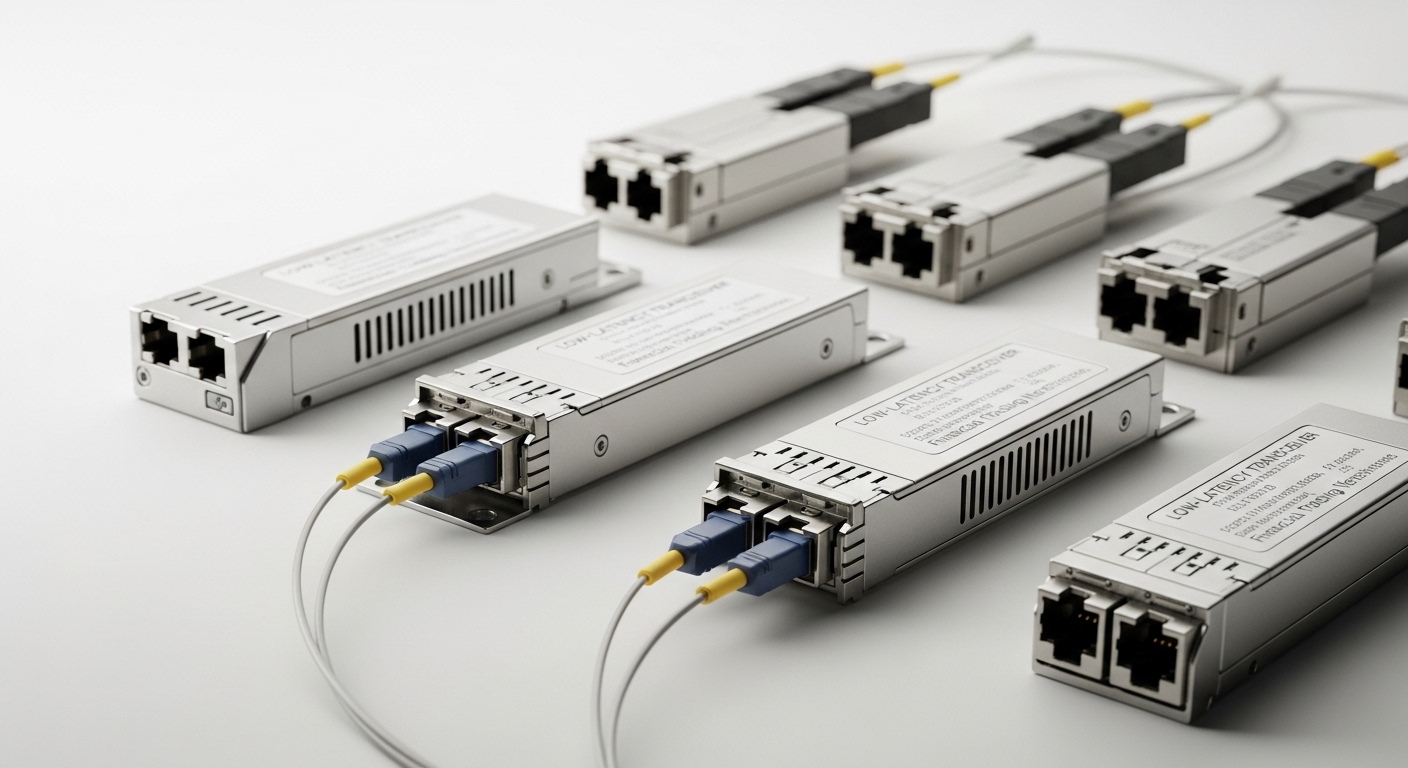
DAC is typically the lowest-latency and most cost-effective option for very short distances where your switch vendor supports passive copper or active copper interfaces. In practice, DAC wins when you can terminate close to the switching ASIC, keep link lengths within the optics budget, and control environmental noise and connector wear. For field teams, DAC also simplifies spares management because many platforms accept standardized lengths and part numbering.
Leaf-spine ToR to spine within the same rack row
In dense data center telecom edge deployments, rack-to-rack copper can be the fastest path to operational readiness. A common pattern is 25G or 100G uplinks from top-of-rack switches to spine switches over 1 to 3 meter interconnects. When the switch backplane and PHY design supports it, DAC delivers deterministic behavior under scheduled maintenance windows because you avoid optical power budget variables.
- Best fit: 25G/100G within 1–3 m
- Pros: lower cost, minimal optical alignment risk
- Cons: less reach, more sensitive to connector handling
Bay-to-bay patching in telecom aggregation rooms
In carrier aggregation suites, you may run links between adjacent bays where patching is frequent. DAC is useful when physical cable routing is constrained and you need quick changeouts during cutovers. I have deployed DAC in a live migration where a 48-port leaf had to be rebalanced; the team swapped 10G DAC 1 m jumpers without re-tuning optics or checking receive power.
- Best fit: adjacent bays, repeatable routing
- Pros: quick swap, fewer optical measurements
- Cons: higher risk from bent cable or tight bend radius
Maintenance windows that cannot tolerate optical power budget drift
Optical links can fail due to dust, connector oxidation, or insufficient launch power, especially when patch panels are handled by multiple contractors. DAC avoids optical power budget drift, which is valuable when operations teams must keep a strict change-control timeline. If your telecom use cases involve frequent technician access, DAC reduces the number of variables during each intervention.
- Best fit: high turnover maintenance teams
- Pros: no fiber cleaning workflow
- Cons: cable replacement is still required after damage
Short reach inside chassis with standardized copper breakout
Many modern line cards rely on internal copper traces and short copper jumpers for cross-connection. While this article focuses on external links, the operational lesson transfers: if your topology is copper-friendly, DAC can keep management simpler. In field practice, I treat DAC like a “pre-characterized” physical layer; as long as you respect bend radius and vendor compatibility, it is predictable.
- Best fit: vendor-approved short copper interconnects
- Pros: predictable link training
- Cons: limited to supported interface families
Budget-sensitive regional telecom rollouts
When capex pressure is high, DAC frequently provides the best cost per port for short distances. A typical budget comparison for 10G–100G short-reach links shows DAC can be meaningfully cheaper than AOC or fiber transceiver plus patch cords, even after accounting for spares. For telecom procurement, that matters because you often deploy thousands of ports during phased rollouts.
- Best fit: phased rollout, strict capex targets
- Pros: lowest installed cost
- Cons: higher replacement frequency if cable handling is poor
Environments with limited fiber infrastructure maturity
Some telecom sites still lack consistent fiber cleaning tools, inspection microscopes, or staff training for connector care. DAC avoids these operational gaps. If you cannot guarantee cleaning discipline, DAC can be the pragmatic choice for the first phase, while you upgrade fiber processes in parallel.
- Best fit: early-stage fiber hygiene maturity
- Pros: reduces connector contamination incidents
- Cons: still requires careful copper handling
When you need to minimize optical regulatory workflows
Some organizations treat optical safety, inspection logs, and fiber handling as separate compliance workflows. DAC can simplify those processes for short, internal cabling where optical exposure and cleaning records are not required. This can shorten procurement and reduce administrative overhead during telecom use cases like temporary expansion or event-driven capacity.
- Best fit: compliance-heavy environments
- Pros: fewer fiber-handling steps
- Cons: still must follow vendor ESD and bend guidance
Top 6 telecom use cases where AOC is the smarter choice
AOC uses active electronics and optical transmission inside an integrated cable, often improving reach over DAC while reducing fiber alignment complexity compared with separate transceivers plus jumpers. In telecom use cases, AOC is a strong fit when you need more distance, lower electromagnetic susceptibility, or you want a “single-cable” workflow across patch panels. The tradeoff is that AOC still contains active components, so you must plan for thermal limits and vendor compatibility.
Inter-rack links beyond typical DAC reach
When you exceed the practical copper budget, AOC becomes compelling. For many deployments, AOC supports short-reach optical distances such as 10m to 100m depending on data rate and wavelength plan, without requiring manual fiber inspection at each end. This is common in telecom edge rooms where racks are spaced for airflow and cable trays run longer than expected.
- Best fit: 5m–100m depending on AOC type
- Pros: better reach, less EMI sensitivity
- Cons: higher unit cost, active electronics age
High EMI areas near power distribution or variable-frequency drives
Electromagnetic interference can degrade copper links, especially when cables run parallel to high-current conductors. AOC moves the signal into the optical domain, reducing susceptibility and improving link stability. In a field case, we rerouted uplinks away from a bus duct; AOC maintained consistent eye margins where DAC showed intermittent CRC spikes.
- Best fit: noisy electrical environments
- Pros: fewer CRC errors from EMI
- Cons: still needs proper strain relief and routing
Rapid expansion across patch panels with minimal fiber handling
AOC can be installed as a single integrated assembly, which reduces the number of touchpoints compared with separate transceivers and fiber jumpers. For telecom use cases that involve frequent moves, adds, and changes, this can lower operational risk. The practical benefit is that you avoid connector cleaning cycles mid-project, while still achieving optical reach.
- Best fit: patch-panel heavy operations
- Pros: simpler installation workflow
- Cons: replacement is “whole cable,” not individual connectors
Temperature-stable performance requirements
In some telecom shelters, ambient conditions swing during maintenance. AOC typically includes temperature-aware drivers and can maintain link training better than marginal copper runs. However, you must verify the vendor’s operating range and ensure cable airflow, because active modules have thermal constraints.
- Best fit: variable ambient, controlled airflow
- Pros: more stable optical link margin
- Cons: thermal derating can reduce reliability
When you want to reduce connector wear cycles
Copper twinax connectors experience mechanical wear each time a contractor reseats a cable. Optical integrated cables can reduce connector cycling if the project scope includes repeated reconfiguration. I have observed fewer “half-inserted” failures with AOC during staged deployments where teams had limited time per rack.
- Best fit: frequent but planned reconfiguration
- Pros: fewer connector-related incidents
- Cons: still requires gentle insertion and locking
Cost-optimized path when fiber optics are already standardized
If your network already uses optical standards such as IEEE 802.3 short-reach families, AOC can align operationally with your existing processes. You still need inspection for end connectors if the AOC uses external connectors, but you reduce the number of fiber jumpers. This is a common middle-ground in telecom use cases where full transceiver-plus-fiber retrofits would be too disruptive.
- Best fit: standardized optical plant
- Pros: easier integration with optical ecosystem
- Cons: vendor ecosystem lock-in risk remains
Pro Tip: In telecom use cases, treat AOC as an electromechanical assembly with active components. If you log link flaps during seasonal airflow changes, check cable jacket temperature and tray airflow before blaming optics; thermal headroom is a frequent root cause even when receive power looks nominal.
DAC vs AOC: key specs and compatibility checkpoints
Engineers often compare DAC and AOC by reach and price, but the real selection hinges on PHY compatibility, connector type, monitoring features, and environmental limits. Below is a practical comparison you can use when validating part numbers against switch vendor interoperability matrices. Note that exact values vary by data rate and vendor, so verify against the specific datasheet for the model you plan to deploy.
| Spec | DAC (Direct Attach Copper) | AOC (Active Optical Cable) |
|---|---|---|
| Typical data rates | 10G, 25G, 40G, 100G (model dependent) | 10G, 25G, 40G, 100G (model dependent) |
| Wavelength / medium | Electrical copper twinax | Optical fiber inside integrated cable |
| Reach (typical) | ~0.5m to ~5m depending on rate | ~10m to ~100m depending on rate and type |
| Connector / form factor | QSFP+/QSFP28/QSFP-DD or SFP variants (twinax ends) | Same host form factor, integrated active cable ends |
| Power / thermal profile | Lower power than AOC in many cases | Higher power draw; needs airflow and derating awareness |
| Monitoring | Often limited; some support digital diagnostics | Often includes optical diagnostics (vendor dependent) |
| Operating temperature | Varies; confirm vendor grade (commercial vs industrial) | Varies; confirm grade and thermal derating |
| Best operational fit | Short distances, cost-sensitive, low EMI | Longer reach, higher EMI, faster patch-panel workflows |
Compatibility checkpoints that prevent expensive rework
Start by matching the transceiver interface to the switch port type and speed mode. Then confirm whether the switch supports the form factor at the exact rate (for example, 25G mode vs 100G mode on the same physical port). Finally, check digital diagnostics support, because field support teams depend on DOM-like telemetry to isolate faults quickly.
- Switch interoperability: vendor-qualified list and firmware compatibility
- Link training: check for supported auto-negotiation behavior
- Diagnostics: DOM telemetry availability for troubleshooting
- Environmental grade: commercial vs industrial temperature range
Selection criteria checklist for telecom use cases (engineer workflow)
Use this ordered checklist the way I do during pre-deployment validation: reduce variables first, then validate with the smallest possible pilot. It is optimized for telecom use cases where uptime requirements and change control are strict.
- Distance and margin: measure actual routed length, not just rack spacing; include slack and bend radius constraints.
- Data rate and lane mapping: confirm the host port supports the target speed and breakout mode (for example, 100G breakout to 4x25G where applicable).
- Switch compatibility: verify the exact transceiver family is supported by the switch vendor and firmware revision.
- DOM and telemetry: ensure diagnostics cover temperature, voltage, transmit bias, and optical power or copper-related metrics; this speeds MTTR.
- Operating temperature and airflow: confirm cable grade and validate airflow across dense trays; plan for thermal derating.
- EMI and routing: keep copper runs away from power buses; for AOC, still avoid crushing and sharp bends.
- Vendor lock-in risk: assess whether third-party optics are validated; if not, price spares and warranty terms accordingly.
- Operational lifecycle: consider expected reconfiguration frequency; active cables can age faster under poor thermal conditions.
Common pitfalls and troubleshooting tips in telecom operations
Even with correct part numbers, failures happen. Below are concrete mistakes I have seen in telecom use cases, with root cause and remediation steps you can execute during escalation.
“It links up, but CRC errors spike under load”
Root cause: marginal copper signal integrity due to cable handling, bend radius violation, or routing near high EMI sources. Solution: reseat connectors, inspect cable jacket for kinks, and reroute away from power cables; if you cannot change routing, evaluate AOC to move the signal to optical.
“AOC link flaps after a site temperature shift”
Root cause: thermal headroom exceeded during airflow changes; active electronics can derate and destabilize link training. Solution: check switch and cable temperature logs, improve airflow paths, and confirm the AOC operating temperature grade matches the site profile.
“Works on one switch, fails on another model revision”
Root cause: firmware or PHY differences affecting supported optics behavior, including diagnostics expectations and training parameters. Solution: validate against the switch interoperability matrix, align firmware versions, and test with a single known-good port before rolling across the entire row.
“Intermittent receive errors after patch panel rework”
Root cause: connector contamination or mechanical misalignment when cables are moved repeatedly. Solution: if the system uses external connectors, clean and inspect with an approved procedure; if integrated, replace the AOC assembly because internal contamination is not serviceable in the field.
Cost and ROI note: realistic budgeting for telecom use cases
Pricing varies by vendor and quantity, but a realistic planning range for short-reach links is: DAC often lands at the lowest per-port cost (frequently tens of dollars for commodity lengths), while AOC typically costs more (often multiples of DAC) due to active optical electronics and integrated assembly. Total cost of ownership depends less on sticker price and more on failure rates, spares strategy, and labor during troubleshooting.
In operational ROI terms, DAC can reduce installed cost, but if EMI or frequent reconfiguration increases rework, the labor delta can erase savings. AOC can be more expensive upfront, yet it can lower MTTR by improving diagnostics and reducing connector contamination events in patch-heavy workflows. For telecom rollouts, I recommend modeling three-year TCO with an assumed failure and replacement rate based on site handling practices, not only component warranty duration.
Ranked summary: DAC vs AOC for telecom use cases
Use this ranking table as a quick decision aid after you complete the checklist. It is designed for short-reach scenarios where you must balance distance, operational risk, and spares cost.
| Use case | Recommended option | Why it ranks here |
|---|---|---|
| Rack-row links within ~1–3 m | DAC | Lowest cost and minimal optical workflow risk |
| Inter-bay links ~5–100 m | AOC | Reach beyond typical copper budgets with less EMI impact |
| High EMI electrical rooms | AOC | Optical domain reduces CRC spikes from noise coupling |
| Maintenance windows with strict change windows | DAC (often first) then AOC | DAC avoids optical power checks; AOC if distance/EMI forces it |
| Patch-panel heavy reconfiguration | AOC | Integrated assembly reduces connector handling steps |
Temperature-variable

🍪 We use cookies to improve your browsing experience and analyse site traffic.
Privacy Policy
|