
Upgrading to 800G can reduce port counts and simplify scaling, but the ROI question becomes painful when optics, switch line cards, and optics support requirements are misread. This article helps data center and network engineers quantify payback using real deployment assumptions, then choose the right mix of 800G transceivers, cabling, and operating targets. It is written for teams planning leaf-spine refreshes, interconnect upgrades, and high-density spine expansions where power and uptime are both budget drivers.
Top 8 ROI drivers when moving from 400G to 800G
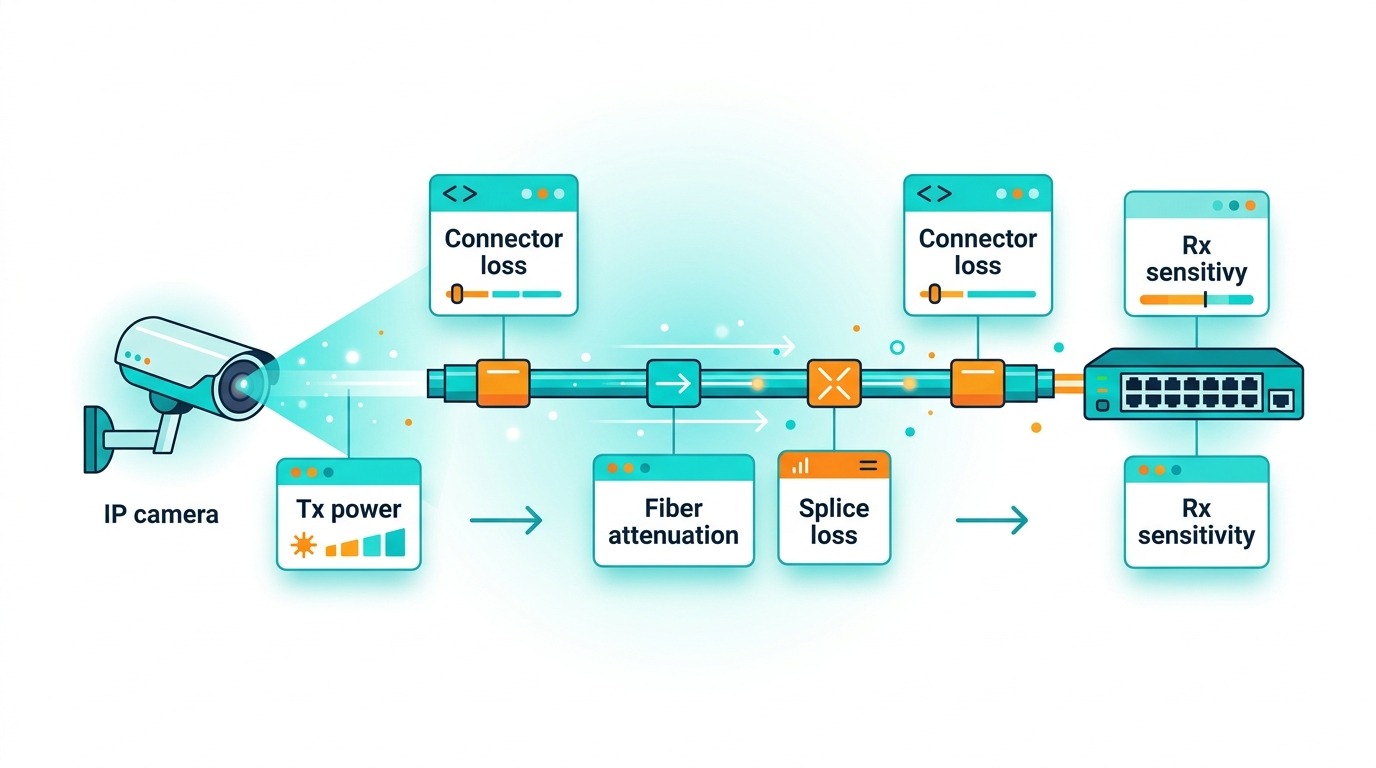
When you model ROI, you are really modeling three things: total cost of ownership (TCO), capacity gain, and operational risk. In practice, the biggest upside comes from higher lane efficiency (more payload per watt and per rack unit) and fewer active ports needed for the same traffic. The biggest downside comes from underestimating transceiver cost volatility and compatibility constraints between switch vendors and optics. Treat the decision like an engineering change request: quantify, validate in lab, then roll out with clear rollback criteria.
Key technical details engineers actually use
- Port density and oversubscription: 800G can reduce the number of switch-to-switch links required for the same aggregate throughput.
- Power per bit: modern 800G optics and line cards target lower energy per transmitted bit than older generations, but only when the platform supports the intended operating mode.
- Cooling impact: power savings can translate to lower CRAC/CRAH load and reduced hot-spot risk, but airflow changes must be validated.
- Optics form factor and reach: you must match reach budgets to your fiber plant so you do not pay for unused optical margin.
Representative optical/PHY baseline: most 800G deployments use PAM4-based coherent or high-speed electrical/optical lane aggregation depending on platform; common short-reach solutions use 24-fiber parallel optics. Always confirm the switch vendor’s supported optics list and minimum lane/optical budget requirements in the platform documentation. For Ethernet PHY and optical interfaces, the relevant governance is grounded in IEEE 802.3 Ethernet specifications and vendor implementation notes.
Pro Tip: In field rollouts, the fastest path to a credible ROI model is to compute payback using measured switch PSU power at the target traffic profile, not nameplate TDP. Many switch families show different power draw under real utilization because fan curves and DSP/retimer load change with line rate and optics type.
Top 7 800G optics choices that directly change your ROI
Optics selection is where ROI is won or lost: the wrong reach profile increases cost and can force higher-power modes, while unsupported optics can cause link bring-up failures that delay deployment. For 800G, you will typically select between short-reach multi-fiber solutions and longer-reach options that may require different connector types and fiber counts. The most important step is aligning optics to the switch’s supported list and the fiber plant’s loss and connector cleanliness.
Comparison table: common 800G transceiver profiles
Below is a practical comparison of the spec categories engineers map to their fiber plant. Exact values vary by vendor and part number; always confirm in the optics datasheet and the switch vendor compatibility matrix.
| Spec category | 800G SR (short reach, multi-fiber) | 800G LR/ER (longer reach, higher margin) | What it impacts for ROI |
|---|---|---|---|
| Nominal wavelength | 850 nm class | 1310 nm class (LR) / 1550 nm class (ER) | Fiber type compatibility and connector loss sensitivity |
| Typical reach | ~70 m to ~100 m in many deployments | ~2 km to 10+ km depending on profile | Whether you need new fiber or can reuse existing trunks |
| Fiber count / interface | Parallel multi-fiber (often 24-fiber MPO/MTP) | Typically single-fiber per channel optics | Patch panel labor and inventory complexity |
| Connector type | MPO/MTP (polarity-critical) | LC duplex class commonly | Installation time and field error rate |
| Typical optical power budget | Tighter; cleanliness matters | More margin; plant quality still matters | Spare optics rate and truck-roll probability |
| Operating temperature | Commercial/industrial variants exist; validate platform target | Same | Reliability and warranty outcomes |
For reference, many 800G short-reach optics are sold as vendor-validated modules such as FS.com and Finisar families (names vary by exact reach and connector). Example part families you may see in the market include 800G SR4 or 800G SR8 variants and their vendor-specific derivatives. Always cross-check the exact part number against your switch model’s supported optics list.
ROI implication: if your cabling plant supports SR reach with margin and correct polarity, SR optics often deliver the best cost-per-bit because they avoid the premium paid for longer-reach optics and reduce patching complexity. If you must add new fiber runs, the capex can erase optics savings quickly.
Top 6 steps to compute 800G ROI with real capex and power math
ROI modeling should start with a deployment-specific baseline: current traffic pattern, link utilization, and required capacity growth over a defined horizon (commonly 3 to 5 years). Then you layer in the costs that actually move: line card upgrade pricing, optics BOM, cabling changes, installation labor, and ongoing power. Engineers often overfit the model to optimistic utilization and forget that traffic is bursty and that link power draw depends on operating mode.
Step-by-step engineering checklist
- Quantify current and target bandwidth: sum north-south and east-west traffic requirements per topology stage and include growth.
- Map current port counts and oversubscription: model the number of 400G links replaced by 800G links and the resulting oversubscription factor.
- Estimate optics BOM: use your switch vendor’s validated optics list for both compatibility and price stability.
- Compute power at the PSU level: measure or obtain vendor power figures for the specific line card and optics type at the target utilization.
- Include cooling and downtime costs: convert kW savings into facility energy using your PUE and include a downtime risk allowance for cutovers.
- Set a payback target and sensitivity bands: run scenarios for optics price variance and worst-case installation labor.
Example sensitivity range engineers use: treat optics unit pricing as a variable with ±20% variance during procurement cycles. Treat field failure or link bring-up delays as a probability-weighted cost (truck-roll labor, spare consumption, and schedule slip penalties). This approach produces a decision-ready ROI even when vendors change list prices.
Pro Tip: If you cannot get measured PSU power, approximate using chassis-level telemetry under the same optics type and line rate. Many teams use only CPU/ASIC counters and miss fan curve changes that can dominate power in high-density airflow constraints.
Top 5 switch compatibility constraints that can kill ROI
Even when optics are electrically capable, ROI can collapse if the switch platform does not support them. Compatibility issues include DOM (Digital Optical Monitoring) behavior, vendor-specific authentication, and strict configuration requirements for polarity, lane mapping, and supported modulation formats. In live deployments, incompatibility typically shows up as link flaps, failure to negotiate at the intended rate, or “unsupported optics” alarms that block full line-rate operation.
What to verify before purchase
- Supported optics matrix: confirm the exact part number is validated for your switch model and software release.
- DOM and diagnostics: verify that your monitoring stack can read temperature, bias current, and received power; otherwise you lose proactive failure detection.
- Software version alignment: some platforms add or remove optics compatibility between releases.
- Connector polarity and MPO mapping: a polarity mismatch often causes “no link” even when the optics are correct.
- Environmental targets: validate operating temperature and airflow requirements to avoid marginal performance.
For standards context, IEEE 802.3 defines Ethernet PHY operation; however, vendor implementations can add proprietary behaviors for optics validation and high-speed lane mapping. Use vendor datasheets and platform release notes as the authoritative source for compatibility.
Top 4 deployment scenarios where 800G ROI is fastest
Not every network benefits equally from 800G. The ROI curve is steepest when the organization faces a capacity wall, tight rack space, and high power costs, and when the existing fiber plant matches the reach. In other cases, 800G can still make sense, but the payback period may stretch beyond 5 years if you must add fiber runs or if utilization is low.
Scenario A: Leaf-spine refresh with high east-west traffic
In a 3-tier data center leaf-spine topology with 48-port 10G ToR switches replaced by higher-density leafs, teams often find that spine ports become the bottleneck. If you currently run 400G uplinks at 60% average utilization and need a 30% growth headroom, moving to 800G can reduce required spine port count by roughly half for the same aggregate throughput. That can translate to fewer line cards, fewer active optics, and simplified cabling at the spine row.
Scenario B: Interconnect upgrades between pods
When pods require higher throughput for replication or distributed storage, 800G can cut the number of interconnect links. ROI improves when your measured fiber loss supports the intended reach profile and when you can avoid building new cross-connect infrastructure. If the plant already supports SR reach with margin, the optics BOM can remain manageable.
Pro Tip: The most overlooked ROI lever in interconnect upgrades is cross-connect labor. If you reduce the number of links, you reduce patch panel touches, which directly lowers field error rate and the probability of a delayed cutover.
Top 7 selection criteria engineers should rank for ROI
Use an ordered checklist so procurement and engineering do not negotiate against different assumptions. The goal is to ensure the chosen optics and platform settings deliver the expected throughput without surprise rework. This list is optimized for teams working with validated optics and strict change control.
- Distance and reach budget: confirm measured fiber loss, connector loss, and patch cord quality for your exact route.
- Switch compatibility and support: validate exact optics part numbers against your switch model and software release.
- DOM and monitoring integration: ensure your NMS can poll and alert on key thresholds.
- Operating temperature and airflow: match the optics’ temperature spec to your facility’s worst-case conditions.
- Optics power and thermal behavior: confirm power draw assumptions for the line card and optics type.
- Vendor lock-in risk: assess whether you depend on one vendor’s pricing or whether qualified third-party modules are accepted.
- Spare strategy and failure rate: budget spares and define RMA lead times to prevent extended outages.
Cost & ROI note: in many markets, 800G optics pricing can be materially higher than 400G per port, and OEM modules may cost more than third-party options. Typical procurement ranges vary widely by brand, reach, and validation status, but engineers often see payback driven more by reduced active port counts and lower system-level energy than by optics unit price alone. TCO should include installation labor, spares, and downtime risk; a single delayed cutover can outweigh months of power savings.
Top 6 common mistakes and troubleshooting tips during 800G rollouts
Most 800G bring-up issues are not “mysterious hardware failures.” They are predictable failure modes: polarity, fiber cleanliness, configuration mismatch, and optics compatibility. Below are concrete pitfalls with root causes and fixes that field engineers encounter.
-
Mistake: Polarity mismatch on MPO/MTP trunks
Root cause: incorrect polarity mapping or reversed trunk orientation causes no link or unstable link negotiation.
Solution: verify MPO polarity with a fiber polarity method (inspect and label both ends), then align switch-side and patch-panel-side mapping; re-terminate or rotate the connectors as needed. -
Mistake: Using non-validated optics for the exact switch and software release
Root cause: optics authentication or DOM behavior differs, so the switch blocks full rate operation or flaps links.
Solution: purchase only from the vendor validated list for your exact switch model and upgrade to the recommended software version before cutover. -
Mistake: Overlooking fiber inspection and dust contamination
Root cause: micro-dust on connector endfaces can add loss and trigger receive power alarms.
Solution: use an inspection scope before every reconnection, clean with validated procedures, and document pass/fail thresholds for acceptance. -
Mistake: Assuming reach margin from catalog specs
Root cause: real deployments include patch cords, adapters, aging, and bend radius violations that reduce actual margin.
Solution: perform OTDR/OLTS measurements on the installed route and calculate a conservative link budget that includes worst-case connectors. -
Mistake: Ignoring optics temperature and airflow constraints
Root cause: high-density rows can exceed optics comfort temperature during peak cooling stress.
Solution: validate airflow CFD assumptions or run temporary thermals checks; ensure blanking panels and cable routing maintain the designed airflow path.
FAQ
Q1: How do I estimate ROI for an 800G upgrade if traffic is bursty?
Use a weighted utilization profile (for example, peak, average, and maintenance windows) and compute energy and port counts at each state. Vendors and power models are often static; your best ROI comes from measured telemetry or at least chassis power comparisons at the target line rate.
Q2: Are third-party 800G optics worth it for ROI?
They can be, but only if your switch explicitly supports them for your model and software release. Evaluate RMA lead times, DOM compatibility with your monitoring stack, and the probability of link bring-up delays during rollout.
Q3: What fiber type and connector strategy gives the best ROI?
ROI improves when your existing plant meets the reach budget without new runs and when connector handling is predictable. For short-reach parallel optics, MPO/MTP polarity and cleanliness dominate field success rates, so plan labeling and inspection procedures.
Q4: What standards should I cite when justifying 800G Ethernet changes?
For Ethernet PHY and MAC alignment, IEEE 802.3 is the core reference. For optics and interoperability, rely on vendor datasheets, platform release notes, and validated optics matrices as the authoritative compatibility sources.
Q5: What is the biggest hidden cost in 800G ROI models?
Downtime risk and installation labor during cutovers. Even modest schedule slip can cost more than month-to-month energy savings, so include a conservative labor and rollback allowance.
Q6: Where can I find authoritative compatibility information?
Start with your switch vendor’s optics compatibility guide and software release notes. For standards context, see IEEE 802.3 and vendor optics datasheets for DOM and link budget requirements. [[EXT:https://standards.ieee.org/standard/802_3|anchor-text
