If your data center or enterprise fiber patching is choking on cable density, the MPO MTP connector decision can make or break your rollout. This article helps network engineers, cabling techs, and operations leads compare MPO and MTP connector realities: alignment reliability, polarity handling, switch compatibility, and field troubleshooting. You will leave with a practical checklist you can use before ordering the next batch of links.
MPO vs MTP: what actually changes in the connector
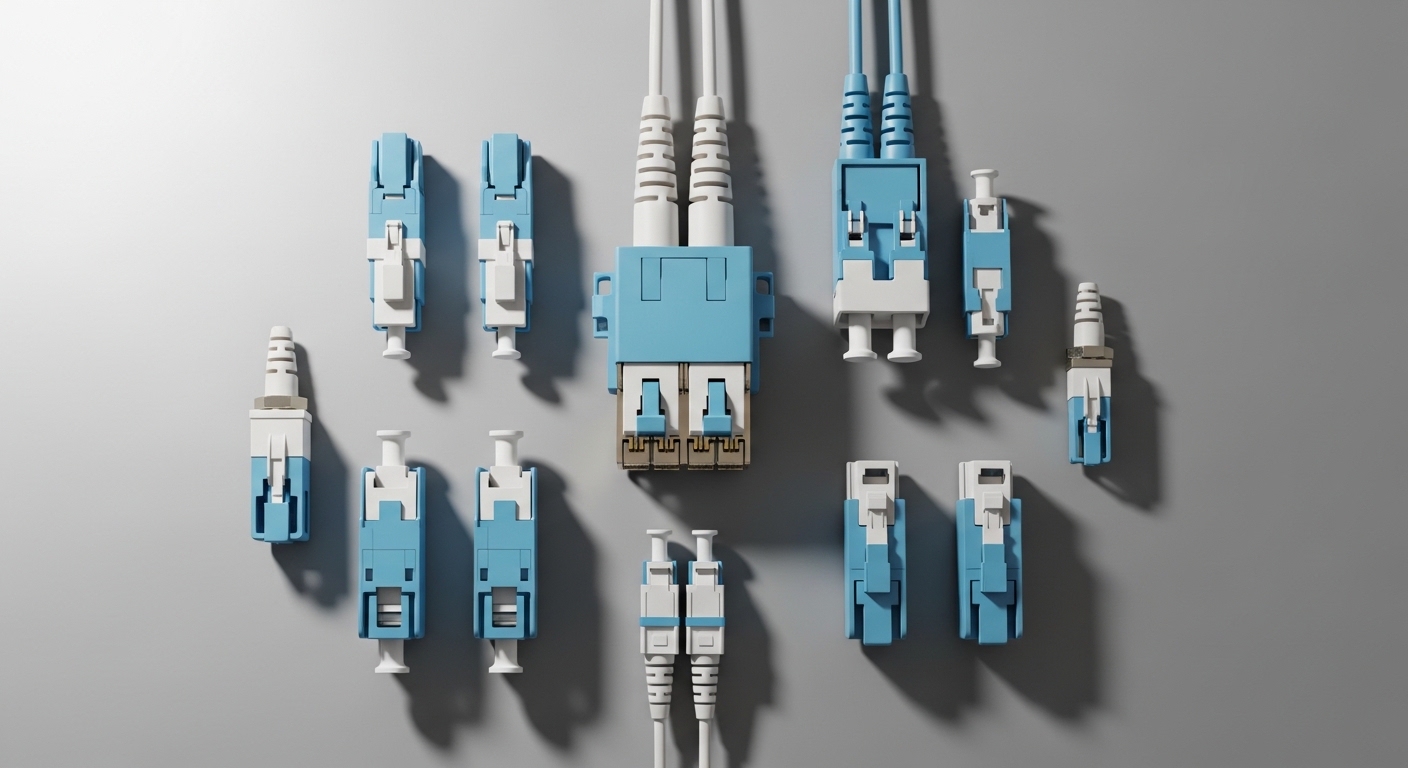
MPO and MTP are both multi-fiber ferrules used for high-density cabling, commonly in 12-fiber form factors for 40G/100G and beyond. The difference in practice: MTP connectors are typically manufactured to tighter dimensional tolerances and more robust mechanics, which improves repeatability for high-rack-count moves and cleaner mating cycles. MPO is widely supported but can be more variable depending on vendor and mating hardware.
In IEEE 802.3 deployments, optical performance is defined primarily by the transceiver and channel budget, while the connector experience affects insertion loss and return loss at the system level. In real cabling plants, the connector mating process and polarity discipline often matter as much as the optics.
Connector alignment and mating behavior
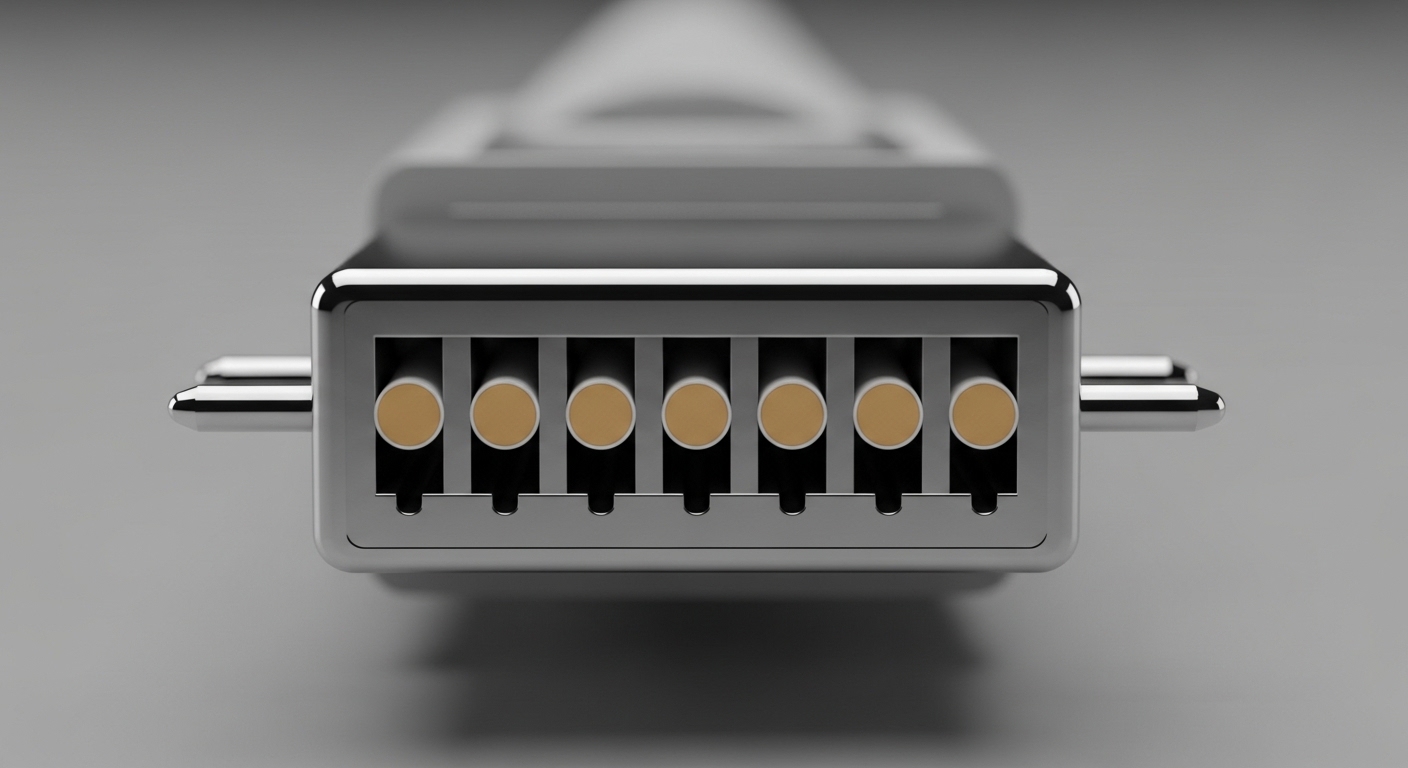
Both connector families use a precision ferrule array that must align core-to-core. MTP variants generally feature stronger latching and more consistent polishing/finish, which reduces the “works once, then gets flaky” syndrome after repeated patching. If your ops team frequently reconfigures racks, that mechanical advantage can be worth real money.
Polarity: where failures love to hide
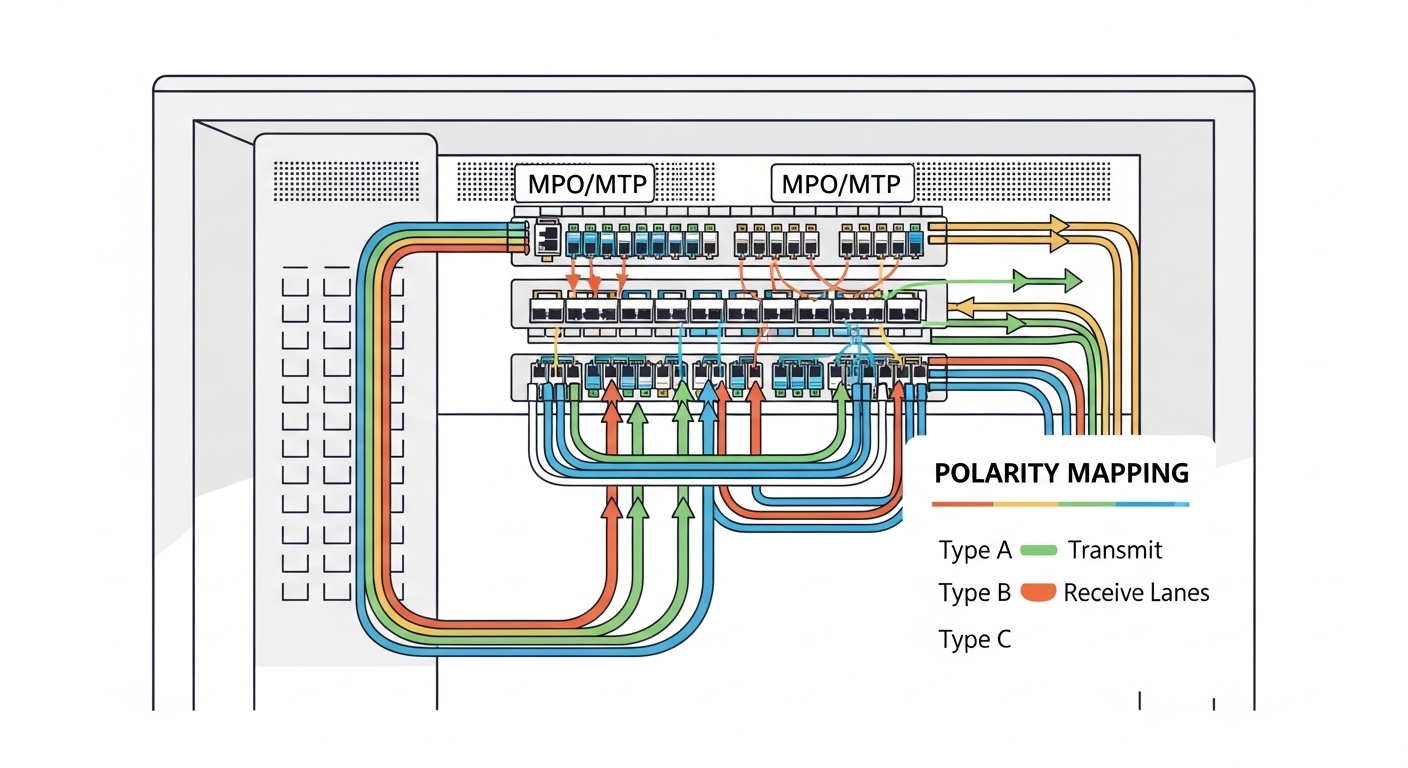
Multi-fiber links depend on correct polarity mapping between transmit and receive fibers. MPO/MTP systems usually rely on polarity conventions (for example, using structured patch cords and correct orientation markings). A single flipped polarity can look like “bad optics” even when the connector surfaces are perfect.
Pro Tip: Before blaming transceivers, verify polarity end-to-end with a continuity tester and a polarity map for your exact patch-cord type; field teams often waste hours swapping optics when the real issue is swapped ferrules in a multi-fiber patch panel.
Performance comparison: insertion loss, reach, and temperature
Connector choice influences insertion loss and reflectance, but your link budget is the final judge. For 40G and 100G Ethernet, reach is commonly governed by OM3/OM4/OM5 fiber type plus transceiver optics and the system budget. MPO/MTP connectors also affect how consistently you hit that budget across many parallel fibers.
| Spec | MPO connector (typical) | MTP connector (typical) |
|---|---|---|
| Fiber count | 12-fiber (common), 8/24 variants exist | 12-fiber (common), 8/24 variants exist |
| Ferrule alignment tolerance | Vendor-dependent; can vary more | Tighter tolerance; more consistent mating |
| Insertion loss impact | Usually acceptable, but variability can increase | Often lower variability across repeated connects |
| Return loss / reflectance | Depends on polish grade and mating quality | More consistent polish and mechanical mating |
| Operating temperature | Typically around commercial ranges; verify vendor datasheet | Similar range; verify vendor datasheet |
| Connector durability | May be lower for frequent moves | Often better for high patch-cycle environments |
| Common use | Bulk patching, lower-cost builds | High-density sites with frequent change-outs |
What about SFP? Most MPO/MTP cabling is paired with QSFP/QSFP28/CFP2 style optics for 40G/100G, but engineers still run into “SFP-era” patch panel ecosystems in mixed networks. The connector family you pick for the fiber plant still determines how cleanly your higher-speed optics can land on the right fibers.
Compatibility with transceivers and patch hardware
Compatibility isn’t only “will it physically plug in.” It is about keying, polarity orientation, and the mating receptacle design on panels and cassettes. Mismatched connector types or sloppy polarity labeling can cause intermittent link failures that look like random packet loss. Your transceiver can be innocent; the connector is the usual suspect.
Keying and orientation
MPO and MTP systems come with different keying options (often described as keyed or unkeyed). If your patch panel expects one keying style and the field tech mates the opposite, the ferrules can misalign or rotate. That can push insertion loss beyond what your link budget tolerates, especially for higher-speed optics.
Polish grade and quality matters
Polish grade impacts reflectance and return loss. Vendor datasheets and field inspection with an end-face microscope are your best friends. If you are using higher-order parallel optics, the system is less forgiving of dirty endfaces and micro-scratches.
Cost and ROI: what you pay now vs what you pay later
Third-party MPO/MTP connectors can be cost-effective, but you must factor quality variance and failure rate. In practice, engineers often see that lower-cost connectors can increase time spent on cleaning, re-termination, and re-testing, which becomes a hidden labor tax.
Typical price ranges (varies heavily by region and volume) are often roughly: OEM-grade MPO/MTP patch cords and cassettes can cost more per assembly, while third-party options may be cheaper upfront. The ROI math depends on your change frequency: if you patch and reconfigure monthly, the “more consistent” MTP mechanical behavior can reduce operational churn.
Field TCO considerations
- Labor: cost of cleaning, re-testing, and replacing failed jumpers.
- Downtime: fewer “mystery” outages reduces incident response time.
- Inspection: microscope time and documentation quality.
- Spare strategy: better connectors reduce the need for large spare inventories.
Selection criteria checklist for engineers ordering MPO MTP connector links
Use this decision list before you click “buy” and accidentally create a weekend-long science experiment.
- Distance and fiber type: confirm OM3/OM4/OM5 and the optical transceiver reach budget.
- Expected patch cycles: frequent moves favor more durable MTP-style assemblies.
- Switch and transceiver compatibility: verify the transceiver vendor’s connector mating requirements and polarity guidance.
- DOM and diagnostics: if you are deploying optics with Digital Optical Monitoring, ensure your operational procedures align with vendor thresholds; connector issues can masquerade as optical power drift.
- Operating temperature and airflow: validate connector and cable jacket ratings for your hot/cold aisle environment.
- Vendor lock-in risk: confirm your patch panel and cassette ecosystem supports your connector family without forced proprietary adapters.
- Inspection and documentation: choose suppliers that provide consistent labeling and acceptable end-face polish quality.
Common mistakes and troubleshooting tips (before you swap everything)
Here are the mistakes that repeatedly show up in field tickets, along with root causes and fixes.
Polarity reversed on a multi-fiber patch
Root cause: transmit and receive fiber mapping is flipped across the patch panel, often due to orientation confusion on MPO/MTP trunks. Solution: use a polarity tester and apply the documented polarity scheme for your exact patch-cord type; label both ends at install time.
Dirty endfaces causing intermittent links
Root cause: dust or microfilm on the MPO/MTP endface creates high insertion loss spikes and occasional link drops. Solution: adopt end-face cleaning at every disconnect; verify with an inspection microscope and clean dry with lint-free procedures.
Keying mismatch or wrong mating hardware
Root cause: unkeyed connector mated into a keyed receptacle (or vice versa), causing ferrule rotation and misalignment. Solution: confirm keying compatibility across cassettes, panels, and jumpers; standardize on one keying approach per site.
Exceeding link budget with “almost good” insertion loss
Root cause: multiple connector interfaces, aging, or slightly higher insertion loss push the system over budget. Solution: measure end-to-end insertion loss with appropriate test methods; replace the worst-performing jumper/cassette pair first.
Decision matrix: MPO vs MTP by your real constraints
| Your situation | Lean toward MPO | Lean toward MTP |
|---|---|---|
| Lowest upfront cost project | Good fit when patch cycles are rare | May cost more than needed |
| High-density with frequent re-cabling | Risk of variability increases | Stronger ROI from repeatability |
| Strict optical budgets (tight margin) | Only if measured insertion loss is controlled | More consistent connector behavior |
| Mixed vendor patch panels | Verify compatibility carefully | Still verify, but mechanical robustness helps |
| Operations team does end-face inspection | Works well with good hygiene | Even better when hygiene is consistent |
Which option should you choose?
If you are building a static high-density plant with minimal change-outs and you can enforce connector inspection discipline, MPO MTP connector deployments using MPO can be a sensible budget play. If your site is dynamic (frequent moves, adds, and changes), or you have tight optical margins where “close enough” becomes “why is it down,” MTP-style connector assemblies usually deliver better operational stability.
Next step: align your connector choice with your transceiver and fiber plant strategy by reviewing fiber transceiver compatibility and standardizing polarity labeling across every patch panel and trunk.
FAQ
Is an MPO MTP connector used with SFP directly?
Most high-speed links using MPO/MTP connect to multi-fiber transceivers rather than classic single-fiber SFP. In mixed networks, MPO/MTP still governs how your patch panels route fiber for those optics. Confirm your transceiver form factor and the patch panel cassette design.
How do I ensure polarity is correct with MPO/MTP?
Use the polarity mapping documentation for your exact patch cord and trunk type, then verify with a continuity or polarity tester. Label both ends during installation and re-check after any panel rework. Polarity errors are a top cause of “optics look bad” incidents.
Will MTP always outperform MPO?
Not automatically. System performance depends on connector polish grade, insertion loss, mating hardware, and cleanliness. In practice, MTP assemblies often provide more consistent mechanical alignment and durability, which improves repeatability.
What should I inspect before deploying in production?
Inspect endfaces under a microscope, verify keying/orientation, and run end-to-end insertion loss tests. Also confirm your connector ecosystem: cassettes, panels, and trunks must match the intended mating geometry.
Are third-party connectors safe to buy?
They can be, but only if they meet measurable performance targets and you can validate insertion loss and connector quality. Use vendor datasheets, buy in smaller lots for acceptance testing, and standardize on one supplier per connector type where possible.
Where can I verify standards and guidance?
Start with IEEE 802.3 for Ethernet physical layer requirements and vendor transceiver documentation for connector and polarity guidance. For connector testing practices, follow reputable cabling standards and manufacturer instructions. IEEE 802.3 standard
Updated: 2026-05-01
Sources: [Source: IEEE 802.3]. [Source: Manufacturer datasheets for MPO/MTP connectors and transceivers]. [Source: ANSI/TIA cabling guidance for testing and link validation].
About the author: I have deployed fiber plants in leaf-spine data centers and watched connector polarity issues ruin perfectly good transceivers. I now help teams cut tech debt by standardizing optics, cabling, and field test procedures so your network stops playing roulette.