If your EtherNet/IP network is moving from copper to industrial ethernet fiber, the SFP choice can make or break link stability. This article helps Allen-Bradley and Rockwell integrators validate SFP reach, optics type, temperature margins, and switch compatibility before you deploy. You will get a practical top-N checklist, troubleshooting patterns, and a final ranking table you can use on the job.
Top 8 industrial ethernet fiber SFP picks for EtherNet/IP reliability
In the field, the “right” SFP is less about brand and more about matching optics budget, connector cleanliness, and vendor DOM expectations. I typically treat Fiber SFP selection like a mini acceptance test: confirm wavelength, reach, and DOM behavior, then verify link on the exact switch model and firmware you will use.
1000BASE-SX (850 nm) multimode SFP for short plant runs
Key specs: 1.25 Gb/s, typical reach 300 m on OM3 and 400 m on OM4 with LC connectors. SX is usually the fastest path when your plant already uses multimode backbone. Best fit is a junction-room to control-room run where the fiber is well-managed and patch panels are clean.
- Pros: Cheapest optics for multimode, broad compatibility, easy spares.
- Cons: Reach depends on OM grade and connector quality; sensitive to bad patching.
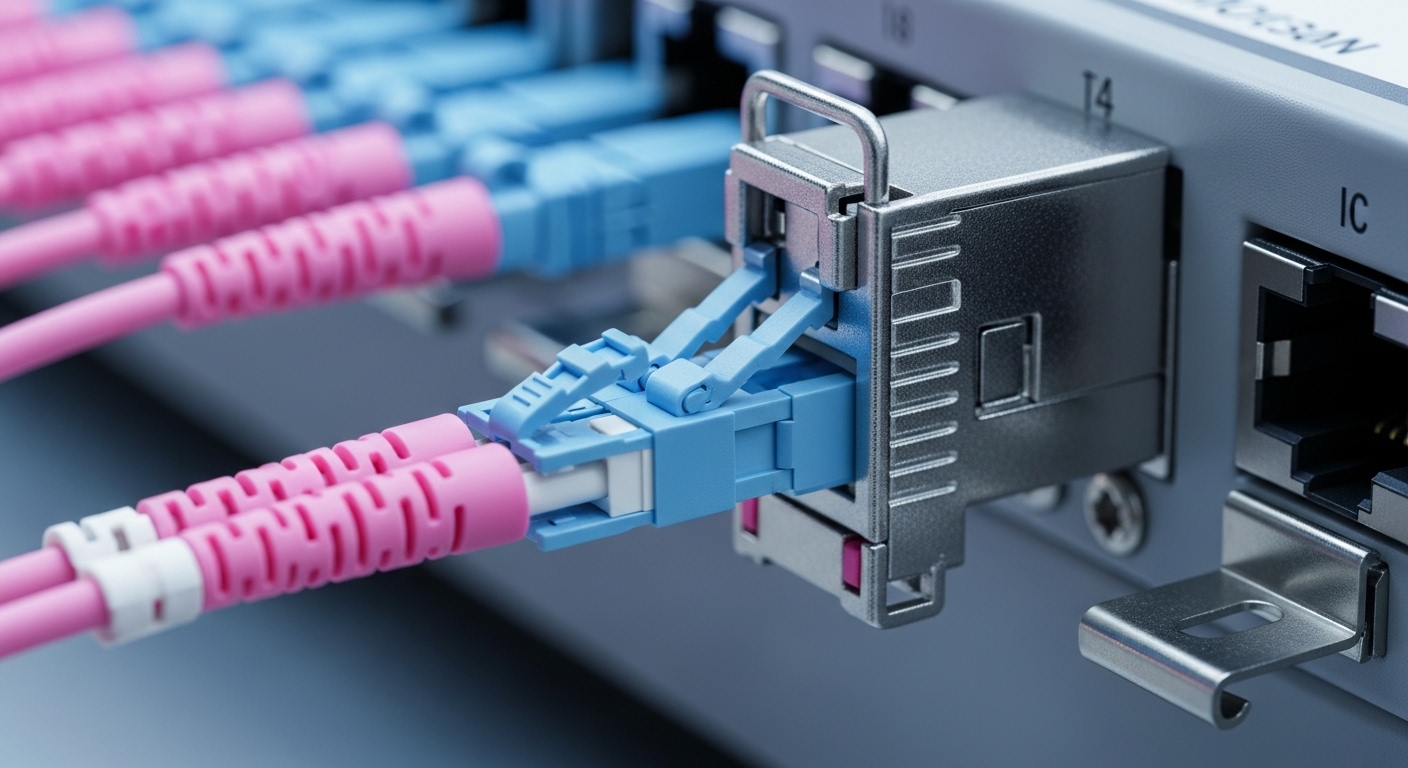
1000BASE-LX (1310 nm) single-mode SFP for longer EtherNet/IP links
Key specs: 1.25 Gb/s, wavelength 1310 nm, typical reach 10 km on OS2 with LC. LX is the go-to when you have cross-building runs or need more distance headroom for future expansions.
- Pros: Long reach, tolerant to distance, stable for single-mode plants.
- Cons: Requires OS2 single-mode budgeting; mismatched fiber type causes immediate link failures.
100BASE-FX (1310 nm) for legacy EtherNet/IP segments
Key specs: 100 Mb/s, wavelength 1310 nm, typical reach up to 2 km to 10 km depending on spec. FX is common for older control segments and remote I/O islands where bandwidth is modest.
- Pros: Works with older industrial line cards; good for low-traffic segments.
- Cons: Lower throughput; you must confirm switch port speed negotiation behavior.
DOM-capable SFPs to match Rockwell managed switch monitoring
Key specs: Digital Optical Monitoring (DOM) reports temperature, laser bias, and received power. Many Rockwell-compatible managed switches can surface DOM alarms; field teams use these to predict failures before they become downtime events.
- Pros: Faster fault isolation; better preventive maintenance.
- Cons: Some third-party DOM implementations can behave differently; verify before standardizing.
Pro Tip: Before you roll out a new SFP vendor, capture a “known good” DOM baseline (temperature and RX power) under normal load. When a future link degrades, comparing against that baseline is often faster than re-running the entire fiber acceptance process.
Temperature-rated optics for cabinets with poor airflow
Key specs: Industrial SFPs often target -40°C to +85°C operation (some go higher depending on datasheet). In real cabinets, I see thermal swings from heater cycles plus sun load; this is where consumer-grade optics become unreliable.
- Pros: Reduced failure probability in harsh enclosures.
- Cons: Industrial-rated parts cost more; still require proper port ventilation.
Connector and cleanliness strategy: LC APC vs UPC, patch panels, and loss
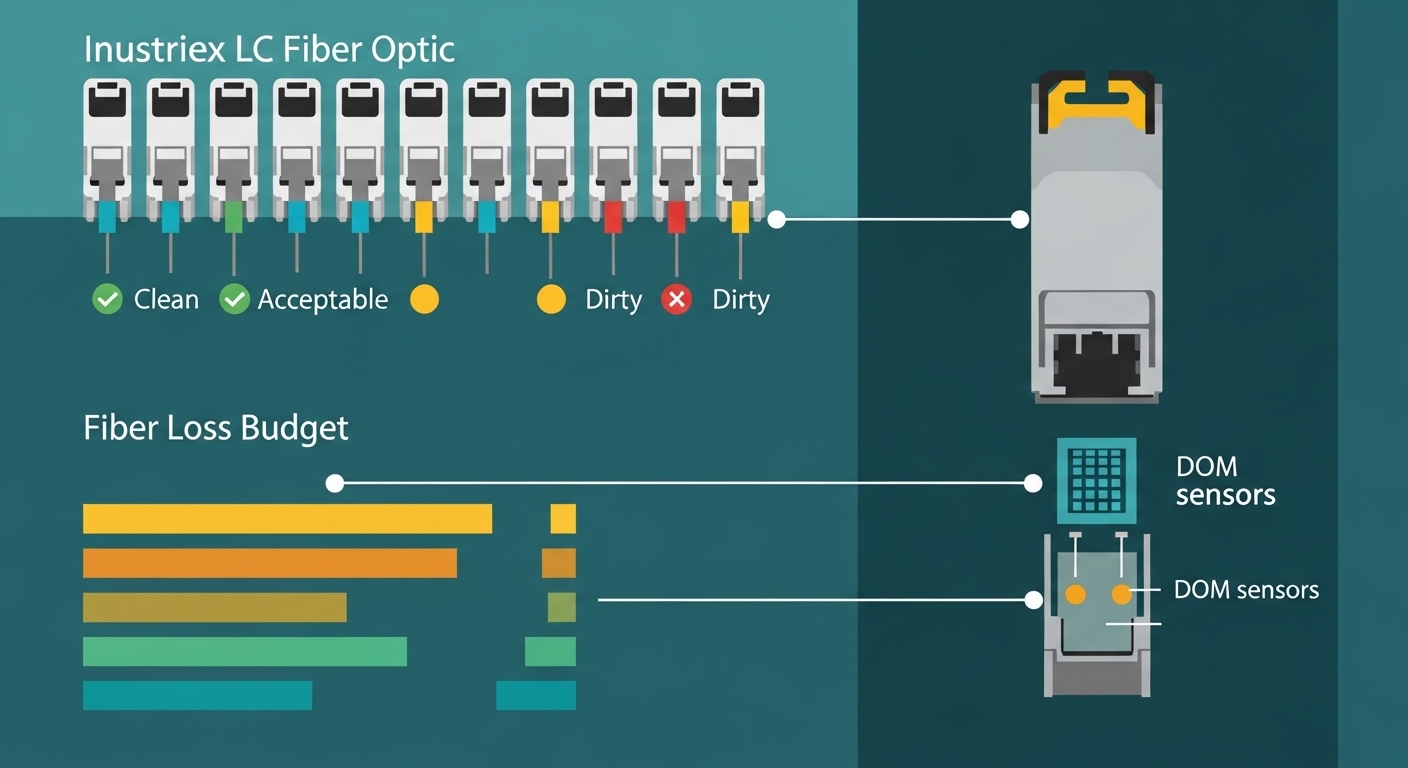
Key specs: EtherNet/IP fiber links depend on insertion loss and return loss margins. LC connectors are standard, but the polish type matters; APC is typically for higher return-loss control in certain installations. For most SFP-to-switch links, you should follow the fiber plant design and keep connectors consistent.
- Pros: Cleaner links mean stable RX power and fewer intermittent dropouts.
- Cons: A “correct” SFP can still fail if patch cords have contamination or exceed loss budgets.
Vendor compatibility with Allen-Bradley switch port expectations
Key specs: Compatibility is driven by optical standard compliance, SFP EEPROM fields, and how the switch firmware verifies DOM. Rockwell environments may expect specific behavior for link status and diagnostics, so confirm against the switch model you will actually deploy.
- Pros: Fewer “it links today but alarms tomorrow” incidents.
- Cons: Vendor lock-in risk: OEM optics may be pricier and harder to source.
Power and link budget discipline: measure RX power, not just “it lights up”
Key specs: Use a fiber test set or an optical power meter to confirm receive power stays within SFP thresholds. Typical field workflow is: verify end-to-end attenuation, confirm connector reflectance, then validate RX power at the switch.
- Pros: Prevents marginal links that fail during temperature or aging.
- Cons: Requires basic test tools and a repeatable process.
Specs comparison table: choose the right industrial ethernet fiber optics quickly
Use this table to narrow the decision before you check your exact link distance and fiber type.
| Optics type | Data rate | Wavelength | Typical reach | Fiber type | Connector | DOM | Operating temp (typ.) |
|---|---|---|---|---|---|---|---|
| 1000BASE-SX | 1.25 Gb/s | 850 nm | 300 m (OM3), 400 m (OM4) | MMF | LC | Common (varies) | -40°C to +85°C |
| 1000BASE-LX | 1.25 Gb/s | 1310 nm | 10 km (OS2) | SMF | LC | Common (varies) | -40°C to +85°C |
| 100BASE-FX | 100 Mb/s | 1310 nm | 2 km to 10 km (model dependent) | SMF or MMF (varies) | LC or SC (varies) | Less common | -40°C to +85°C |
For standards context, the Ethernet physical layer behaviors align with IEEE 802.3 family specifications for fiber Ethernet links. For general fiber cabling practices, follow ANSI/TIA-568 and IEC 61754 connector guidance. IEEE 802.3 standards ANSI/TIA cabling standards
Selection criteria checklist engineers use for EtherNet/IP fiber SFPs
- Distance and link budget: Confirm run length plus patch cord and splice losses; validate RX power range.
- Fiber type and grade: MMF OM3/OM4 vs SMF OS2; never assume.
- Wavelength match: SX uses 850 nm, LX/FX use 1310 nm.
- Switch compatibility: Use the exact Allen-Bradley or Rockwell switch model and firmware you will deploy.
- DOM support: Confirm DOM alarms and threshold behavior; capture a baseline.
- Operating temperature: Target -40°C to +85°C for cabinets with thermal stress.
- Vendor lock-in risk: OEM optics can be pricier; third-party can be fine if compatibility is verified.
Common mistakes and troubleshooting tips in the field
When EtherNet/IP fiber links fail, it is rarely “mystical.” It is usually a predictable mismatch, loss budget issue, or connector problem.
-
Mistake: Installing an SX (850 nm) SFP into a single-mode OS2 backbone.
Root cause: Wavelength and fiber type mismatch prevents optical coupling; link stays down or flaps.
Fix: Verify fiber type at the patch panel and pick LX (1310 nm) for OS2. -
Mistake: “It links” but EtherNet/IP produces intermittent faults later.
Root cause: Marginal RX power from dirty connectors, damaged patch cords, or unaccounted loss from splices.
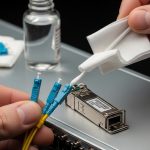
Fix: Clean LC connectors with lint-free wipes and proper solvent/cleaner, then measure RX power under normal temperature conditions. -
Mistake: Using third-party DOM optics without validation.
Root cause: EEPROM/DOM field differences can trigger switch diagnostics, even if the link is technically up.
Fix: Bench-test the SFP in the target Rockwell switch model; confirm alarm thresholds and syslog behavior. -
Mistake: Ignoring temperature margins in sealed cabinets.
Root cause: Laser bias drift and receiver sensitivity changes with heat can cause link instability.
Fix: Deploy industrial temperature-rated optics and improve airflow; re-check link after thermal cycling.
Cost and ROI note for Allen-Bradley and Rockwell deployments
Typical field pricing varies by reach and temperature grade. As a ballpark, OEM-compatible 1000BASE-SX SFPs often land in the $150 to $300 range each, while third-party industrial equivalents may be $60 to $160 if compatibility is proven. ROI comes from fewer truck rolls: a $100 optics savings is meaningless if you trigger downtime from marginal RX power or DOM alarms. For TCO, include spares strategy, cleaning supplies, and test equipment amortization rather than optics price alone.
Summary ranking table: best fit by scenario
| Scenario | Best ranking | Why |
|---|