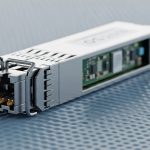
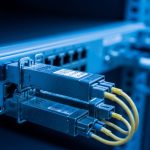
Renewable energy sites like wind farms and solar plants depend on stable transport for SCADA, protection, and telemetry. This guide helps field engineers and network owners choose fiber optic transceivers that match energy network fiber distances, optics, and environmental constraints. You will get a decision checklist, a troubleshooting section, and a specs comparison using real module models.
Why renewable plants stress energy network fiber optics
Unlike office LANs, renewable energy networks face vibration, temperature swings, dust, lightning surges, and long outdoor runs between substations, turbines, and inverters. Most transport links run over single-mode fiber (SMF) for distance or multi-mode fiber (MMF) for shorter spans in buildings. Transceivers must also align with the switch or media converter optics budget, including link power levels and receiver sensitivity. For reliability, you should plan for optics compatibility plus environmental rating, not just wavelength and reach.
IEEE 802.3 defines key electrical and optical behaviors for Ethernet, while vendor datasheets define the practical limits: transmit optical power, extinction ratio, receiver sensitivity, and DOM (digital optical monitoring) reporting. For renewable deployments, DOM is valuable because it lets you trend Tx bias current and Rx power before a link fails. [Source: IEEE 802.3] [[EXT:https://standards.ieee.org/standard/]]
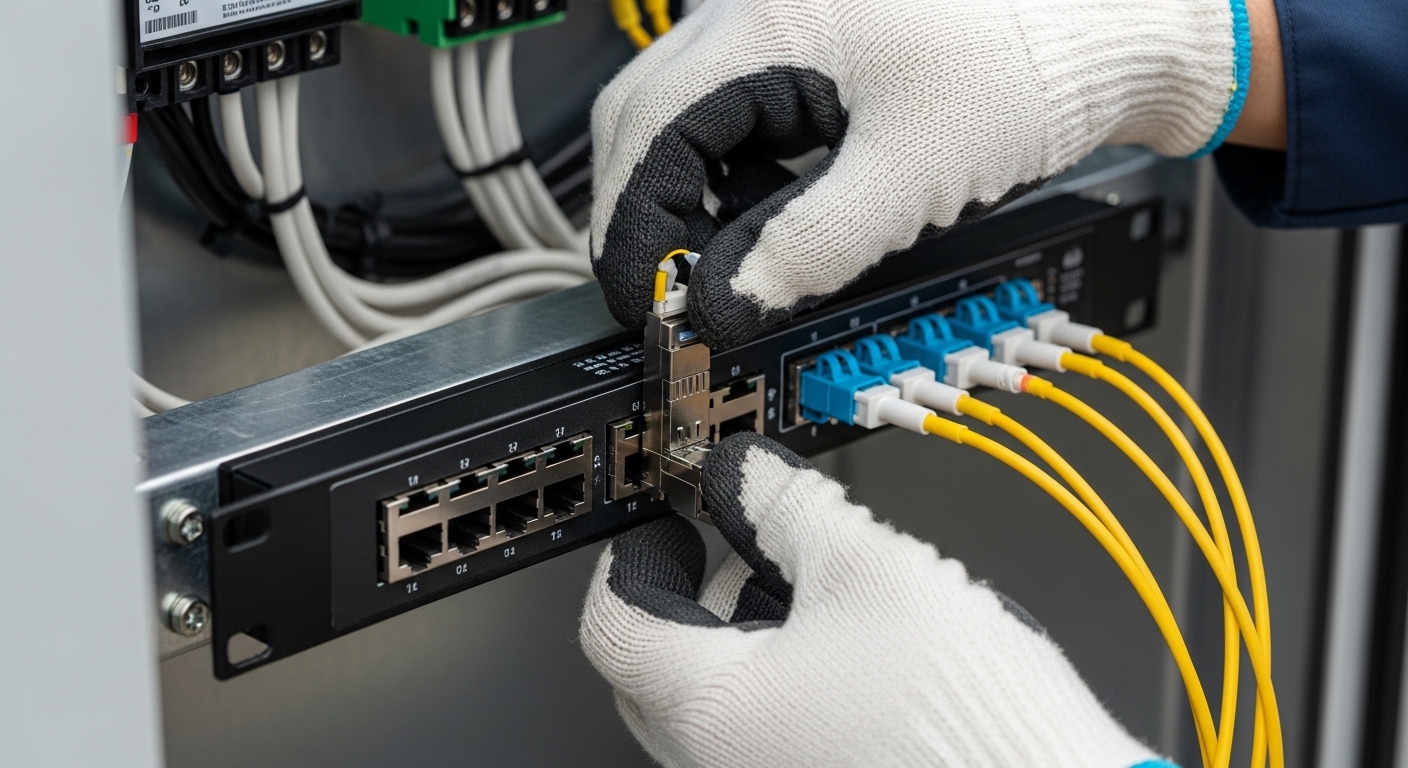
Transceiver types that match typical renewable energy topologies
Renewable networks often mix indoor switch racks with outdoor aggregation points. In substations, you commonly see SMF to extend reach from control buildings to yard switches, while MMF may appear in local plant rooms. Choose optics based on fiber type (SMF vs MMF), connector (LC vs SC), and Ethernet rate (for example 1G, 10G, or 25G).
Common model examples used in renewable deployments
- 10G SR (MMF): Cisco SFP-10G-SR and Finisar FTLX8571D3BCL are commonly deployed for short indoor runs over OM3/OM4.
- 10G LR (SMF): modules like FS.com SFP-10GSR-85 exist for specific wavelengths and reach variants; always verify wavelength and distance against your fiber grade.
- 25G/40G/100G: QSFP28/CFP2 and similar form factors appear in higher-capacity aggregation and core segments.
Technical specifications table (key selection parameters)
| Module example | Form factor / Rate | Wavelength | Fiber type | Typical reach | Connector | DOM | Operating temperature |
|---|---|---|---|---|---|---|---|
| Cisco SFP-10G-SR | SFP+ / 10GbE | 850 nm | MMF (OM3/OM4) | ~300 m (OM3) / ~400 m (OM4) | LC | Yes (varies by revision) | Commercial or Industrial options (verify SKU) |
| Finisar FTLX8571D3BCL | SFP+ / 10GbE | 850 nm | MMF (OM3/OM4) | ~300 m (OM3) / ~400 m (OM4) | LC | Yes | Industrial grade available (verify datasheet) |
| FS.com SFP-10GSR-85 (example variant) | SFP+ / 10GbE | 850 nm (verify exact) | MMF | ~300 m class (depends on fiber) | LC | Often Yes | Typically industrial options available |
Note: Always confirm exact wavelength, reach, and temperature class from the specific datasheet and SKU. Renewable energy links can be limited by connector losses, splices, patch cords, and aging.
Selection criteria for energy network fiber transceivers
Use this ordered checklist when you are sizing optics for renewable sites. Field failures often come from missing one constraint rather than choosing the wrong nominal reach.
- Distance and fiber grade: measure end-to-end loss (dB) and verify OM3/OM4 for 850 nm MMF, or SMF for long reach.
- Switch compatibility: confirm the transceiver is on the switch vendor’s supported list or uses compatible diagnostics for your platform.
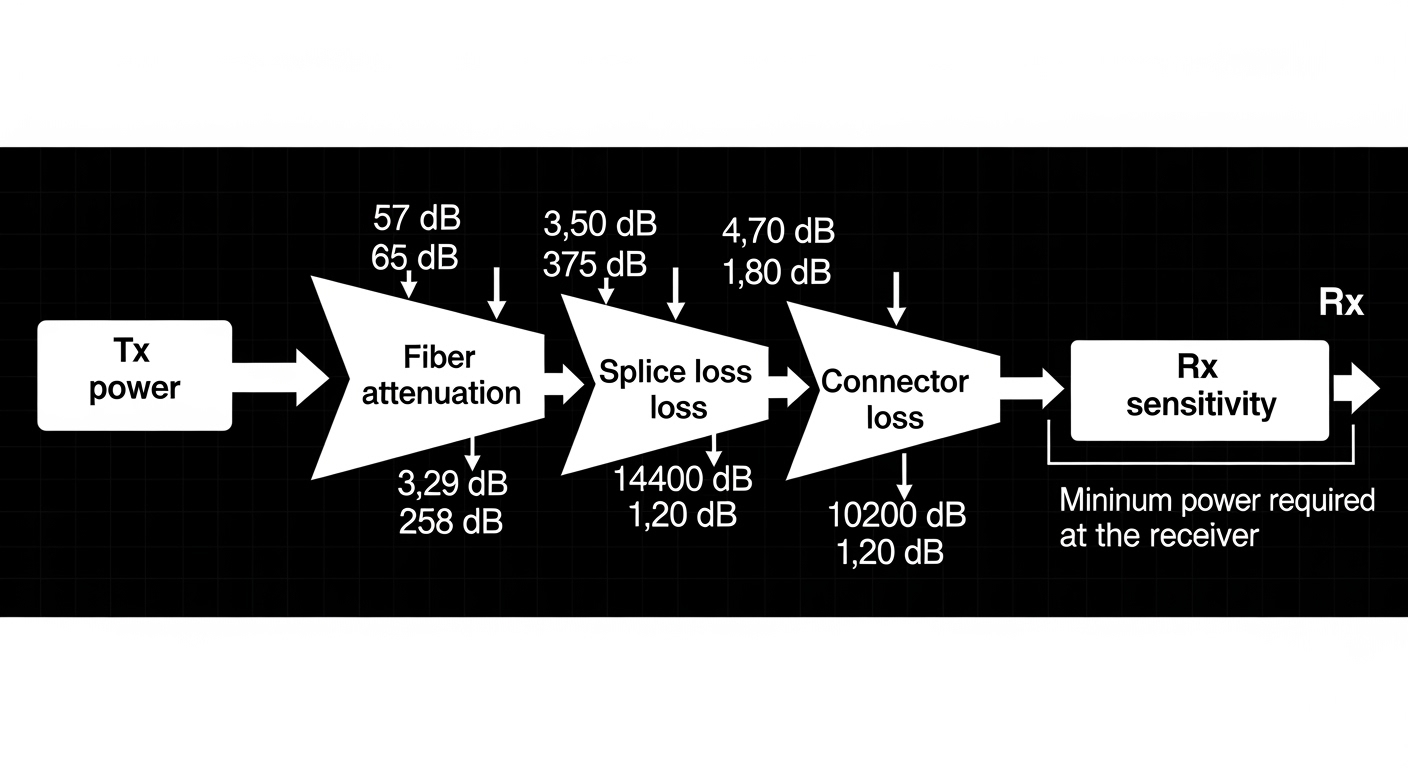
- Optical power budget: compare Tx power and Rx sensitivity from datasheet; include margins for splices, connectors, and aging.
- Data rate and Ethernet standard: ensure the module supports the exact Ethernet mode negotiated by your switch (for example 10GBASE-SR / 10GBASE-LR).
- DOM support: pick modules with reliable DOM so your NMS can alert on Rx power drift and Tx bias changes.
- Operating temperature and ingress: select industrial or extended temperature optics and ensure the enclosure rating (IP) for outdoor points.
- Vendor lock-in risk: price OEM vs third-party, but require proven compatibility and warranty terms.
Pro Tip: In renewable plants, the dominant “silent killer” is not the initial link margin; it is connector and splice contamination after repeated maintenance. Choose transceivers with DOM, then set thresholds using your measured baseline Rx power so you catch gradual degradation early.
Deployment scenario: wind farm SCADA aggregation link
Consider a 3-tier renewable deployment where turbine controllers feed a local aggregation switch, which uplinks to a substation control room. Suppose each turbine-to-aggregation run is 220 m over OM4 MMF inside cable trays, and the substation uplinks use SMF beyond 5 km. For the turbine runs, engineers often pick 10GBASE-SR optics in SFP+ form factors with LC connectors, ensuring the module’s MMF reach matches OM4 assumptions. For the uplinks, they use SMF-aligned optics (for example 10GBASE-LR variants) and validate the optical budget with measured splice counts.
In the field, you typically verify link health by reading DOM values (Rx power in dBm, Tx bias current), checking interface error counters, and running a fiber certification test (OTDR or attenuation measurement). If you see CRC errors or link flaps during high temperature ramps, check power supply stability and verify that the transceiver temperature rating covers the cabinet’s worst-case conditions.
Common mistakes and troubleshooting tips
Below are real failure patterns seen in energy network fiber projects, with root causes and fixes.
-
Mistake: Using a 850 nm MMF transceiver on a link that is effectively “too long” due to hidden patch cords and extra splices.
Root cause: Power budget deficit (Tx power minus fiber and connector losses) causes intermittent receiver errors.
Solution: Re-measure end-to-end loss, clean connectors, replace suspect patch cords, and add margin by upgrading to a SMF-based option if needed. -
Mistake: Installing third-party optics that are physically compatible but not fully supported by the switch’s diagnostic expectations.
Root cause: DOM format differences, EEPROM ID mismatches, or transceiver vendor-specific behaviors trigger warnings or disablement.
Solution: Validate with your exact switch model and firmware; require a compatibility statement and test in a staging rack before plant rollout. -
Mistake: Skipping connector cleaning during commissioning and maintenance.
Root cause: Microscopic contamination increases insertion loss, driving Rx power down until links degrade under vibration and thermal cycling.
Solution: Use an inspection scope, clean with approved solvent-free methods, and document baseline Rx power from DOM after cleaning. -
Mistake: Ignoring temperature class for outdoor cabinets.
Root cause: Transceiver performance shifts or fails outside rated range; you may see increased errors at peak heat.
Solution: Choose industrial or extended temperature modules and verify cabinet thermal design; confirm airflow and heat soak behavior.
Cost and ROI considerations for renewable energy optics
OEM SFP+ modules often cost more upfront than third-party, but they can reduce commissioning time and compatibility risk. Typical field pricing ranges vary widely by region and grade; in many markets, OEM 10G optics may run roughly two to four times the cost of comparable third-party units, depending on temperature class and DOM quality. TCO should include labor for testing, spares stocking, warranty handling, and the cost of downtime during turbine outages. In practice, the ROI comes from selecting optics with reliable DOM and proven compatibility, which reduces truck rolls and speeds troubleshooting.

FAQ
How do I choose between MMF and SMF for energy network fiber links?
Use MMF (like OM4) for shorter indoor or controlled runs where you can keep total loss low. Use SMF when distance grows, when you need higher reach tolerance, or when you must reduce attenuation over long outdoor spans.
Do I need DOM for renewable energy networks?
DOM is strongly recommended because it provides measurable indicators like Rx optical power and Tx bias trends. That visibility helps you detect contamination or aging before the link fails, which is critical for SCADA and telemetry.
Will a transceiver that works in the lab always work in the field?
No. Lab tests often exclude connector contamination, additional splices, and temperature extremes. Always run a commissioning acceptance test that includes measured loss and DOM baselining.
What are the most common causes of link flaps in 10G deployments?
Typical causes are inadequate optical power budget, dirty connectors, marginal temperature operation, or power supply instability in the switch/media converter. Check interface counters, DOM thresholds, and physical link cleanliness first.
Are third-party modules risky for switch compatibility?
They can be, depending on the switch model and firmware. If you go third-party, require compatibility validation with your exact hardware, confirm DOM behavior, and keep OEM spare modules for escalation during early rollouts.
How should I handle spares for energy network fiber transceivers?
Stock spares by form factor, wavelength, and reach class, and keep a few “known-good” units for each switch. Use DOM baselines so you can quickly identify whether a replacement is functioning within expected optical parameters.
Choosing energy