cost analysis for optical upgrades: maximize ROI with SR optics
If your 10G or 25G fiber network is aging, a rushed transceiver refresh can quietly inflate capex and downtime risk. This article helps network and facilities leaders run a practical cost analysis for optical upgrades, with real module part numbers, operational constraints, and a deployment-ready checklist. You will get step-by-step implementation guidance, plus troubleshooting for the top failure modes that field teams actually see. Updated for current vendor sourcing patterns and typical data center optics practices.
Prerequisites: set the data you need for credible cost analysis
Before comparing optics, capture baseline utilization, link distances, and transceiver inventory so ROI math matches reality. For each link, record switch model, port speed, fiber type (OM3/OM4/OS2), and measured or documented run length. Also record optics vendor/part number currently installed, including any DOM or EEPROM telemetry you already rely on. Finally, define your outage tolerance window so you can choose between “replace during maintenance” versus “dual-run with spare optics.”
Data collection checklist
- Link inventory export: pull port-to-port mapping from your switch management plane (CLI or controller export).
- Distance verification: use OTDR results where available; otherwise validate with labeling and conservative margin.
- Environmental constraints: confirm rack ambient temperature and airflow (front-to-back or hot aisle containment).
- Power and thermal model: estimate per-port optics power from datasheets and your switch PSU efficiency.
- Failure history: track RMA rates, link flaps, and any “DOM mismatch” events by vendor batch.
Expected outcome: a spreadsheet where every fiber link has speed, reach class, connector type, and an optics replacement candidate list.
Step-by-step cost analysis: choose optics by reach, power, and compatibility
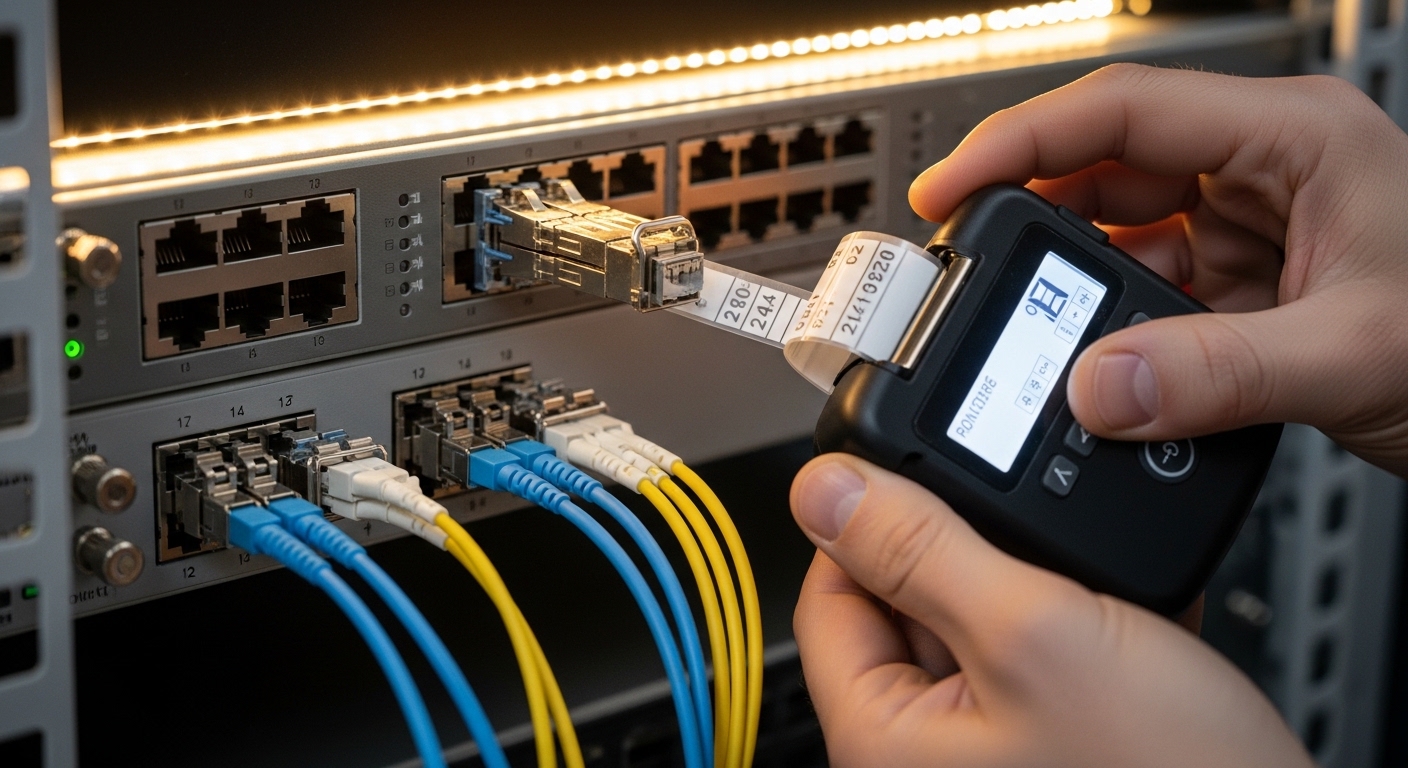
Start with the standards reality: most 10G short-reach optics follow IEEE 802.3 (10GBASE-SR) and are typically validated for multimode fiber using specific wavelengths and link budgets. Then compute ROI using three cost buckets: optics purchase price, operational risk (downtime and compatibility), and lifecycle power/thermal impact. In practice, the cheapest optics SKU is not always the lowest total cost when DOM support, temperature range, and vendor interoperability are included.
Core metrics for ROI scoring
- Capex: unit price per transceiver, plus any required adapters (LC, MPO/MTP, fanout cassettes).
- Opex: optics power draw (watts per module) multiplied by port count and hours per year.
- Risk cost: probability of incompatibility or early failure times the cost of maintenance labor and downtime.
- Spare strategy: whether you standardize on one vendor for spares or diversify to reduce lock-in.
Specs comparison table: common SR optics you will actually buy
Use this table as a baseline for your cost analysis. Always verify exact reach and power from the vendor datasheet for the final part number you source.
| Module example | Standard / typical rate | Wavelength | Reach (multimode) | Connector | DOM / monitoring | Operating temp | Typical power |
|---|---|---|---|---|---|---|---|
| Cisco SFP-10G-SR | 10GBASE-SR / 10.3125G | 850 nm VCSEL | ~300 m on OM3, ~400 m on OM4 | LC | Supported (vendor-specific) | 0 to 70 C (typical) | ~0.8 to 1.3 W |
| Finisar FTLX8571D3BCL (10G SR) | 10GBASE-SR / 10.3125G | 850 nm | ~300 m OM3, ~400 m OM4 | LC | Commonly includes DOM | Commercial range (typical) | ~1 W class |
| FS.com SFP-10GSR-85 (10G SR) | 10GBASE-SR / 10.3125G | 850 nm | ~300 m OM3, ~400 m OM4 (varies) | LC | Often DOM-capable | Commercial range (varies) | ~1 W class |
Pro Tip: In field deployments, the biggest “hidden cost” is not optics price—it is DOM behavior and firmware gating. Two modules that both claim “DOM support” can still differ in threshold reporting or diagnostic page layout, causing a switch to log alarms or even suppress link training. Validate with a short pilot on the exact switch model before ordering thousands.
Expected outcome: a ranked shortlist where each candidate fits your reach margin, connector type, and switch compatibility requirements.
Implementation guide: deploy cost-effective optics with controlled risk
Now turn the shortlist into a safe rollout. The goal is to maximize ROI by reducing both rework and downtime while keeping optics standardized enough for spares. A phased method also lets you capture real telemetry (DOM readings, error counters) to refine your cost model.
Map each fiber run to an optics reach class
For every link, compute “required reach margin” using documented distance plus a conservative safety factor (commonly 10 to 20 percent for connector variability and patch cord aging). If you have OM3, prioritize 850 nm SR modules with the vendor’s OM3 reach guarantee. If you have OM4, you can usually keep the same wavelength while improving margin, which helps reduce the chance of marginal links.
Expected outcome: every port is assigned a specific optics reach class (SR, LR, ER where applicable) and connector type (typically LC for SFP/SFP+ SR).
Validate switch compatibility and DOM behavior
Before full replacement, test each candidate module in a staging rack using the exact switch model and software version you run in production. For Cisco, Juniper, Arista, and similar platforms, verify that the optics identify correctly (vendor ID, part number, and DOM presence) and that link training succeeds without persistent media errors. If your environment relies on monitoring dashboards, confirm the diagnostic fields you ingest exist and remain stable.
Expected outcome: a “works in your chassis” approval list for each module SKU.
Execute a maintenance-window replacement with a spare-first plan
Replace in batches sized to your rollback capability. For example, in a 48-port ToR switch, you might swap 8 ports per window, keeping known-good optics in a labeled kit. If a link fails, you can immediately swap back and preserve service while you isolate whether the issue is fiber cleaning, bend radius, or module-specific behavior.
Expected outcome: measurable reductions in link errors and fewer alarm events compared with baseline.
Update your ROI model using measured telemetry
After rollout, update your cost analysis with actual DOM temperature readings, link error counters, and any transceiver-related syslog events. If the modules run consistently cooler or show fewer early warning thresholds, you can justify scaling the same vendor choice. If you see intermittent optical power drops or frequent receiver warnings, adjust your vendor mix or require a stricter cleaning and inspection process.
Expected outcome: a living cost model that improves future refresh cycles.

Selection criteria checklist: what engineers weigh before buying optics
- Distance and fiber type: OM3 vs OM4 vs OS2, plus connector and patch-cord counts.
- Data rate and gearbox compatibility: ensure the transceiver matches the switch port speed mode (10G vs 25G, SR vs LR).
- Switch compatibility and DOM support: confirm the platform accepts the optics and your monitoring pipeline reads the expected fields.
- Operating temperature range: compare your rack ambient and airflow conditions against the module’s spec (commercial vs extended).
- Vendor lock-in risk: decide whether you standardize to reduce troubleshooting time or diversify to reduce supply risk.
- Supply chain resilience: lead times, replacement availability, and RMA turnaround history.
Expected outcome: an apples-to-apples purchase decision that aligns engineering risk with finance.
Common mistakes and troubleshooting tips that protect ROI
These failure modes are common during optics refreshes and can erase ROI fast through rework, downtime, and emergency shipping. The fixes below include root cause and an immediate next action.
Failure point 1: Link flaps after install
Root cause: fiber cleanliness or connector damage after swapping patch cords, plus insufficient bend radius at the patch panel. Solution: clean LC connectors using validated lint-free wipes and isopropyl alcohol, then inspect under microscope; re-seat transceivers and verify patch-cord routing respects bend radius.
Failure point 2: “DOM present but alarms persist”
Root cause: DOM threshold mapping differences or unsupported diagnostic pages on your switch software version. Solution: compare switch logs before and after; if alarms remain without link errors, update your monitoring rules or pin to the module family that matches your telemetry expectations.
Failure point 3: Receiver warnings despite correct reach class
Root cause: optimistic distance assumptions or aging patch cords that reduce optical margin. Solution: run an OTDR/optical power check; replace suspect patch cords first, then consider tightening your optics selection to a vendor with tighter compliance margins.
Expected outcome: faster MTTR and fewer “mystery” incidents that inflate operational cost.
Cost & ROI note: realistic pricing, TCO, and power math
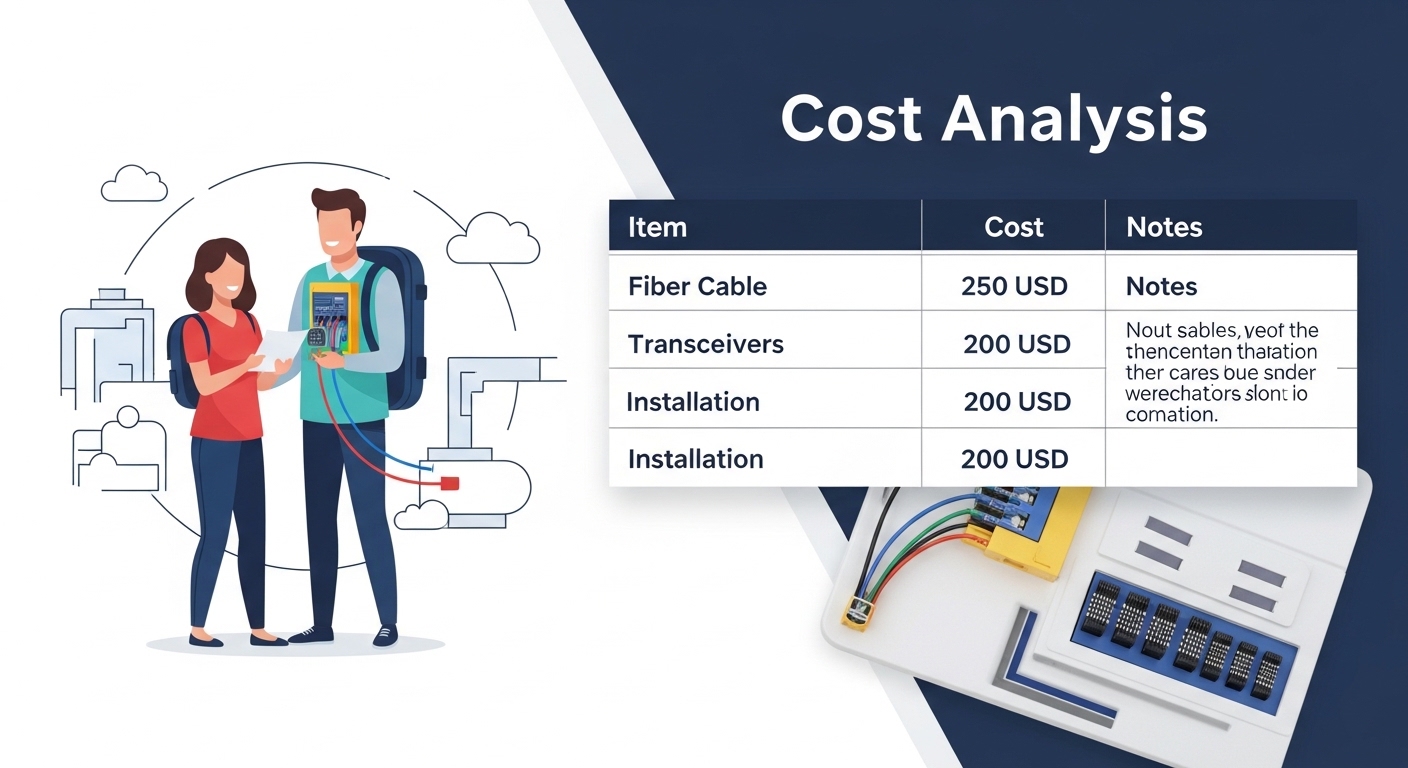
In many markets, 10G SR SFP/SFP+ optics often land in a mid-range price band versus OEM-only pricing, while QSFP and higher speeds can widen the gap. For budgeting, treat OEM and third-party modules as different risk profiles, not just different unit prices. TCO should include: optics purchase price, one-time labor for swaps, cleaning supplies and microscope time, and the cost of outages if replacements fail during a maintenance window.
Power savings can matter in dense deployments: if each optics module averages about 1 W, and you replace 1,000 ports, that is roughly 1 kW continuous load. Over a year, even small efficiency differences can translate into meaningful facility energy cost, especially when combined with reduced thermal throttling and fewer error-driven retransmits.
Real-world deployment scenario: leaf-spine refresh with SR optics
In a 3-tier data center leaf-spine topology with 48-port 10G ToR switches, a facilities team replaced 384 active 10GBASE-SR links across two maintenance windows. Each run used OM3 with typical patch-and-panel lengths of 180 to 240 m including patch cords. They piloted three module SKUs (one OEM, two third-party DOM-capable options) on the exact switch model and software version, then standardized on the SKU that showed the lowest receiver warning rate over 14 days. The result: fewer optical alarms and a predictable spare kit, improving operational confidence and reducing unplanned labor.
FAQ
What should my cost analysis include besides the transceiver price?
Include labor per swap, cleaning and inspection costs, compatibility validation time, and the expected downtime risk. If your monitoring depends on DOM fields, include the cost of adjusting dashboards or alerting rules when telemetry differs.
Is third-party optics really cheaper in total cost?
Often yes, but only when the modules are validated on your exact switch models. If you skip a pilot, incompatibility can erase savings through rework and emergency shipping.
How do I verify DOM support during evaluation?
Install the module in a staging port and confirm: DOM presence, temperature and optical power readings, and whether your switch logs any diagnostic warnings. Then