If you operate a point-to-point (PTP) fiber link for radio backhaul, the transceiver choice can quietly make or break link stability. This article helps network and field teams evaluate Cambium Networks optics for PTP deployments by comparing key specs (wavelength, reach, connector, power, temperature) and highlighting compatibility and supply chain risks. You will also get troubleshooting patterns engineers use when a link comes up intermittently or fails after a swap.
What “Cambium Networks optics” means for PTP fiber backhaul
For PTP links, the optical transceiver must match the physical and electrical expectations of the radio or modem interface and the fiber plant. Most deployments use SFP or SFP+ class optics over multimode (MMF) or single-mode (SMF), depending on distance and budget. The controlling constraints are typically wavelength (for example, 1310 nm vs 1550 nm), optical reach class, and the presence of diagnostics (DOM) that the equipment expects. When those align, the radio can maintain stable receive sensitivity and optical power margins without excessive alarms.
Standards and why they matter
Even when modules “look compatible,” they may differ in how they negotiate electrical parameters and report diagnostics. IEEE 802.3 defines optical Ethernet interfaces for many transceiver classes, while vendors follow SFP/SFP+ electrical and management norms (including DOM behavior). Field teams should verify that the module type aligns with the radio’s expected form factor and lane rate, and that DOM reporting is supported or safely ignored by the platform. For background on optical Ethernet interface definitions, see IEEE 802.3.
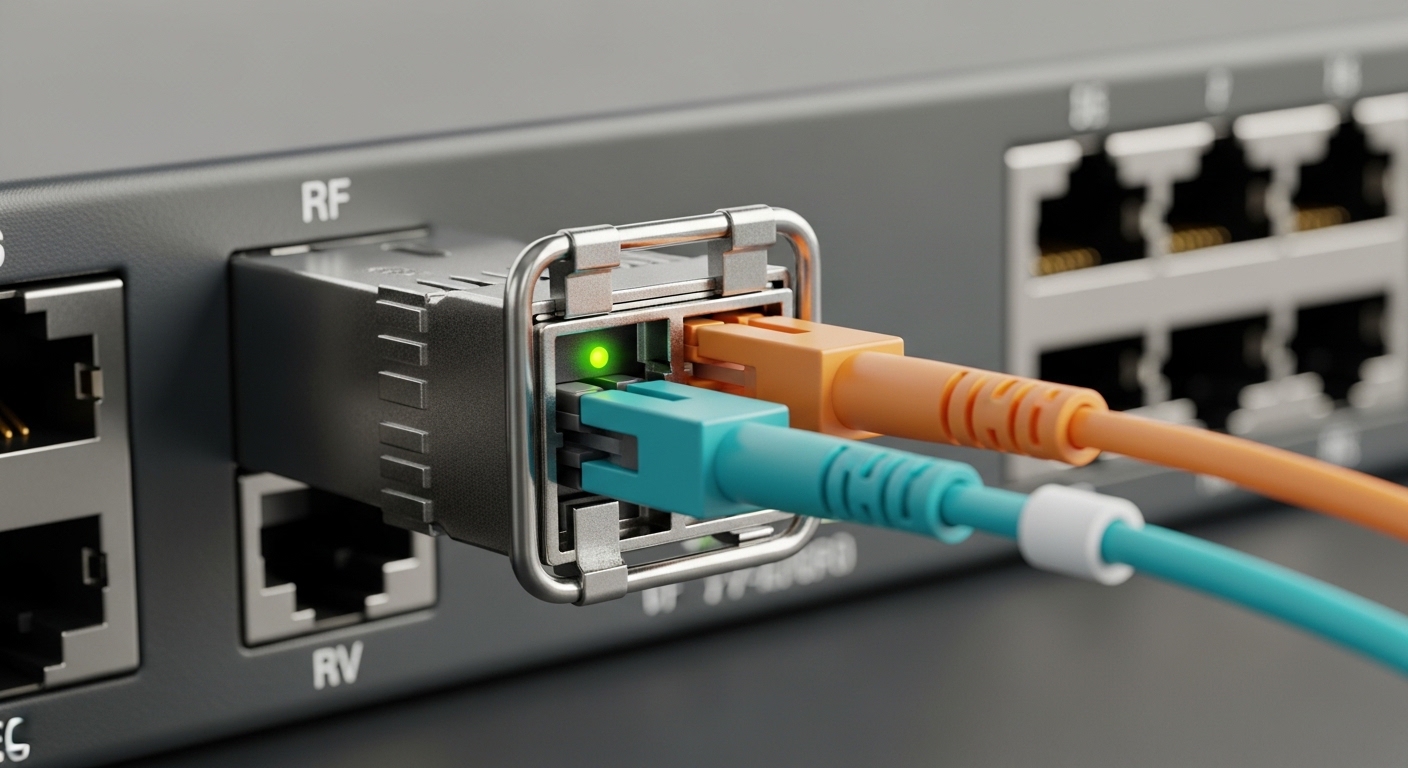
PTP transceiver selection: wavelength, reach, and connector reality
In PTP links, “reach” is not just a marketing number; it is the sum of optical budget versus real loss from fiber length, splices, connectors, and aging. Start by mapping your fiber type (SMF vs MMF), then choose a wavelength that matches the radio interface and the fiber plant. For short runs on MMF, 850 nm optics are common; for longer runs on SMF, 1310 nm or 1550 nm options are typical. Always confirm connector type (LC is common) and whether the module is designed for the exact optical distance class.
Key specifications to compare side by side
Below is a practical comparison of commonly used optical transceiver classes for PTP-style backhaul. Use it as a spec checklist, not as a guarantee of compatibility with any specific Cambium Networks model—always verify the radio’s transceiver compatibility list and supported DOM behavior.
| Parameter | 10G SFP+ SR (MMF) | 10G SFP+ LR (SMF) | 10G SFP+ ER (SMF) |
|---|---|---|---|
| Typical wavelength | 850 nm | 1310 nm | 1550 nm |
| Typical reach class | ~300 m (OM3) to ~400 m (OM4) | ~10 km | ~40 km |
| Connector | LC (most common) | LC (most common) | LC (most common) |
| Optical power class (typical) | Short-reach budget; verify Tx/Rx levels in datasheet | Moderate budget; verify Tx/Rx for margin | Higher budget; verify Tx/Rx for long-haul margin |
| DOM support | Often supported; confirm required by platform | Often supported; confirm required by platform | Often supported; confirm required by platform |
| Operating temperature | Check industrial vs commercial grade | Check industrial vs commercial grade | Check industrial vs commercial grade |
| What to validate for PTP | Fiber type, OM grade, patch/splice loss, and dispersion limits | Fiber attenuation at 1310 nm, splice loss, and link margin | Fiber attenuation at 1550 nm, non-linear effects (long-haul), and margin |
Model-specific compatibility checks
Different Cambium Networks radios and gateways may accept specific transceiver part numbers, and some platforms are pickier about DOM fields. In practice, field engineers confirm three things before ordering: (1) the radio’s supported transceiver type and speed, (2) whether DOM is required for link bring-up or only for monitoring, and (3) whether the platform blocks non-vendor optics due to EEPROM vendor IDs. If you are unsure, request the radio’s optics compatibility matrix from the integrator or vendor support channel.
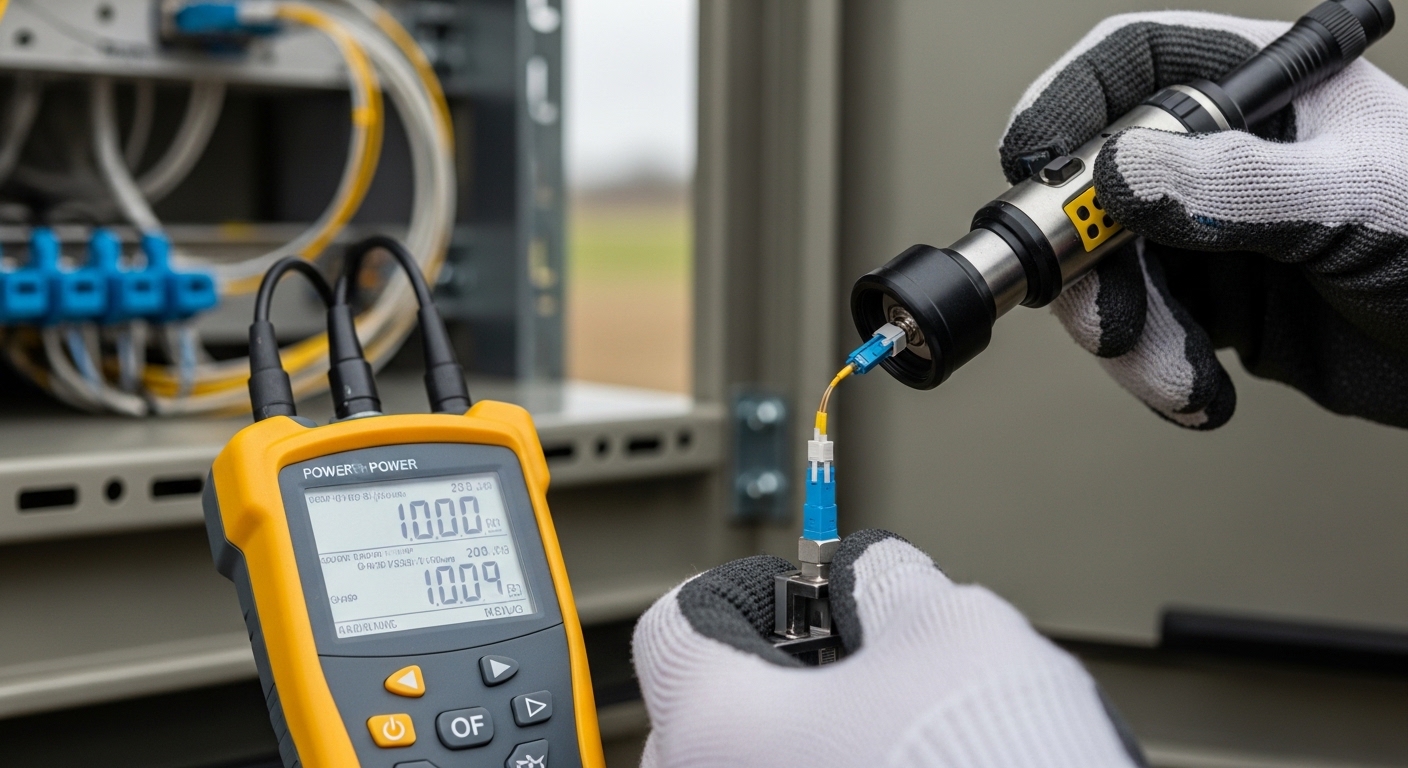
Pro Tip: When a PTP link “almost works,” the root cause is often not total reach but insufficient optical margin after splices and connector re-mating. Re-seat the LC connectors and re-measure with a power meter; many field failures look like optics incompatibility but are actually budget erosion.
Cost and supply chain: OEM vs third-party optics for PTP
Procurement decisions for Cambium Networks optics should weigh both unit price and the cost of downtime. OEM modules often cost more but typically have smoother acceptance with platform EEPROM expectations and faster warranty paths. Third-party optics can reduce capex, yet they may introduce variable lead times and higher RMA rates if the DOM implementation differs.
Realistic pricing and TCO framing
As of recent market patterns, 10G SFP+ optics commonly fall into broad ranges: OEM-branded modules may be roughly $150 to $400 each depending on reach grade, while reputable third-party units may be roughly $60 to $200. Over a multi-year PTP program, total cost of ownership (TCO) is driven by failure probability, RMA logistics, and truck-roll cost. If you have a 20-site PTP roll-out and one site is in a remote area, a single failed module can erase savings via labor, travel, and extended maintenance windows.
Lead time and risk signals
Lead time risk shows up as “in-stock today, delayed next week” behavior when demand spikes after network expansions. For better resilience, keep a small buffer stock of matched optics for each reach class and connector type, and define an approved alternates list with verified DOM behavior. Also consider procurement of spare fibers jumpers and cleaning kits, since dirty connectors can mimic an optics problem.
Troubleshooting Cambium Networks PTP optics: common pitfalls
When PTP links fail or flap after an optics swap, the fastest teams follow a disciplined isolation process: verify physical layer, verify optical levels, then verify management/DOM. Below are common mistakes that cause real-world outages.
Wrong wavelength class for the fiber plant
Root cause: Installing 850 nm MMF optics on a SMF link, or mixing 1310 nm and 1550 nm expectations across ends. Dispersion and attenuation at the wrong wavelength can push receive power below sensitivity. Solution: Confirm wavelength label on the module, then verify fiber type and measured attenuation. Use an OTDR or at minimum a power meter to confirm both ends.
Connector contamination after field handling
Root cause: LC connectors are extremely sensitive to dust and micro-scratches; cleaning shortcuts can reduce optical power by more than expected. This often appears as alarms, packet loss, or a link that comes up then degrades with temperature cycles. Solution: Replace patch cords if needed, clean with proper fiber-grade wipes and isopropyl alcohol or approved cleaning tools, then re-test Rx power. Always inspect under a scope.
DOM mismatch or platform rejection
Root cause: Some platforms rely on DOM fields for thresholding and may reject modules with unexpected EEPROM layouts or vendor IDs. Even if the transceiver “seems inserted,” the radio may keep the port administratively down or log repeated optical diagnostics errors. Solution: Check radio logs for DOM-related messages, confirm module EEPROM type, and test with a known-good reference module from the same production batch or approved list.
Overstated reach assumptions
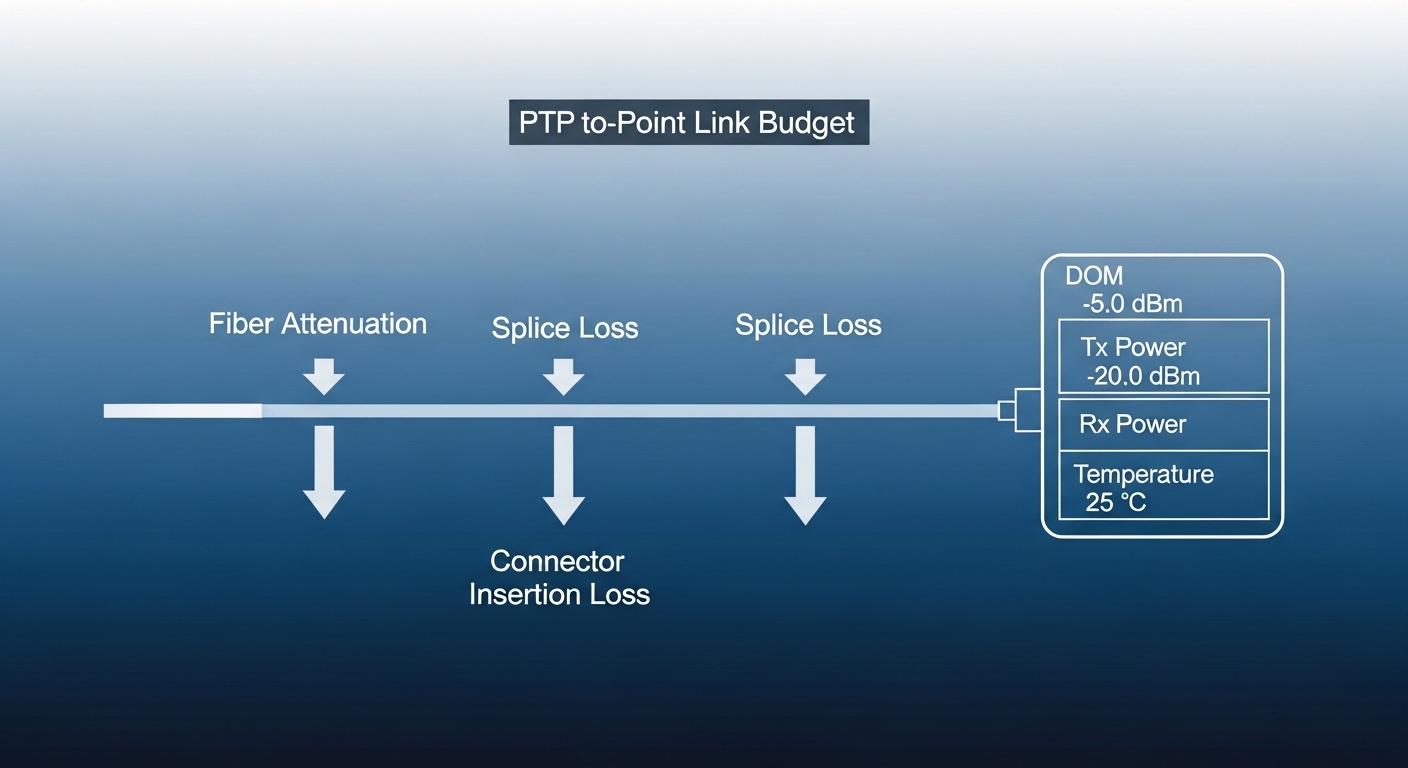
Root cause: Teams select a reach class based on distance only, ignoring splices, connectors, and aging margin. A plan that leaves 0 to 1 dB margin can fail after a single rework event. Solution: Build a conservative budget: include worst-case splice loss, connector insertion loss, and a margin for future maintenance.
Selection checklist for procurement teams and field engineers
Use this ordered checklist to reduce returns and minimize PTP downtime when sourcing Cambium Networks optics.
- Distance vs reach class: Confirm fiber length and worst-case link budget with splices and connectors.
- Wavelength match: Ensure the Tx wavelength and Rx sensitivity align with the platform and fiber plant.
- Switch or radio compatibility: Verify the exact transceiver type and lane rate supported by the Cambium Networks device.
- DOM support and thresholds: Confirm whether DOM is required for bring-up, and validate threshold behavior if monitoring is enforced.
- Operating temperature grade: Prefer industrial temperature optics for outdoor cabinets; avoid commercial grade in cold or hot climates.
- Connector and patching plan: Confirm LC vs other connector types, and standardize patch cord length and cleaning procedure.
- Vendor lock-in risk: Ask for EEPROM/DOM compatibility notes and test results; maintain an approved alternates list.
- Warranty and spares: Define RMA turnaround expectations and keep at least one spare per reach class per region.
FAQ
Which Cambium Networks optics are typically used for PTP fiber links?
Most PTP backhaul designs use SFP or SFP+ class optics over SMF or MMF, depending on distance. The exact choice depends on the radio interface requirements and the fiber plant. Verify supported transceiver types in the device documentation before ordering.
How do I confirm optical reach is sufficient beyond the distance number?
Use a link budget approach: fiber attenuation at the selected wavelength plus splice loss and connector insertion loss, then add margin for aging and maintenance. If you have access to OTDR and a calibrated power meter, measure both ends to confirm Rx power stays within the datasheet sensitivity window.
Do I need DOM for the link to work?
In many platforms, the port can pass traffic without deep DOM usage, but alarms and thresholds may still depend on DOM fields. Some devices can be sensitive to EEPROM details, so testing with a known-good module is the safest path. Always check the platform behavior and logs.
What happens if I use a third-party optics module?
Traffic may work, but you may see higher RMA rates if DOM or EEPROM identifiers differ from what the device expects. If the platform blocks unapproved optics, the port may remain down or show repeated diagnostic errors. Procurement should require compatibility verification and warranty terms.
What is the fastest troubleshooting sequence when a PTP link flaps?
First, verify connector cleanliness and reseat LC ends. Next, measure Tx and Rx optical power with a meter and compare to the module datasheet expected range. Finally, review device logs for DOM or optics management messages to rule out EEPROM mismatch.
Where can I find authoritative transceiver and optical Ethernet interface guidance?
Start with IEEE 802.3 for optical Ethernet definitions and the vendor datasheets for specific module power, sensitivity, and DOM behavior. For additional context on deployment practices, consult reputable telecom maintenance references and your radio manufacturer documentation. IEEE 802.3 is a solid baseline.
Choosing Cambium Networks optics for PTP links is less about the label on the box and more about reach budgeting, wavelength alignment, DOM behavior, and connector hygiene. If you are standardizing a multi-site rollout, document your approved optics list and keep measured power baselines for each site, then proceed with a controlled spares strategy using optics supply chain risk.
Author bio: I have managed fiber-to-radio transceiver programs for multi-site PTP deployments, using measured optical budgets and DOM telemetry to prevent recurring outages. I write procurement-ready guidance grounded in vendor datasheets, IEEE interface expectations, and field troubleshooting outcomes.