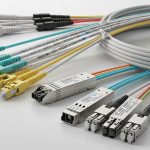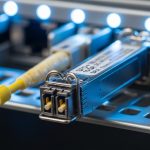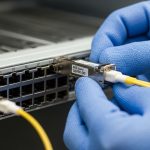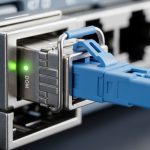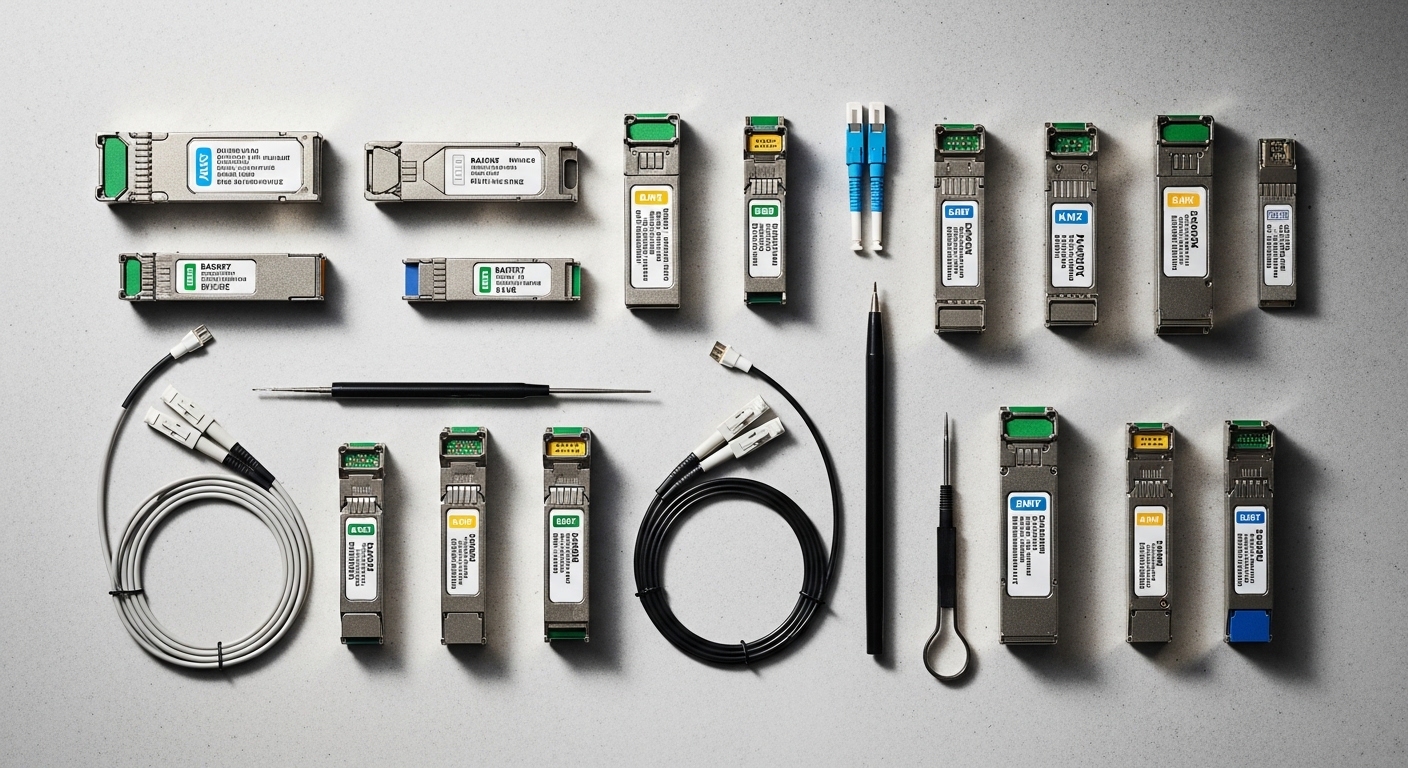
In smart buildings, a single flaky uplink can strand alarms, trending data, and commissioning workflows. This article helps facility network engineers and controls integrators choose the right building automation SFP for BACnet and KNX environments, especially when the backbone must run over fiber. You will get a reliability-first selection checklist, real deployment numbers, and a ranking table to speed procurement decisions.
Top 8 building automation SFP options by reach and physical layer fit
Smart building networks often mix copper field wiring with fiber backbone segments for noise immunity and long runs. The practical question is which SFP data rate and optical wavelength match your switch ports and the building’s distance budget. Below are the top eight “fit-for-purpose” choices, each mapped to common BACnet and KNX fiber patterns.
1G SFP with 850 nm multimode for short BACnet trunks
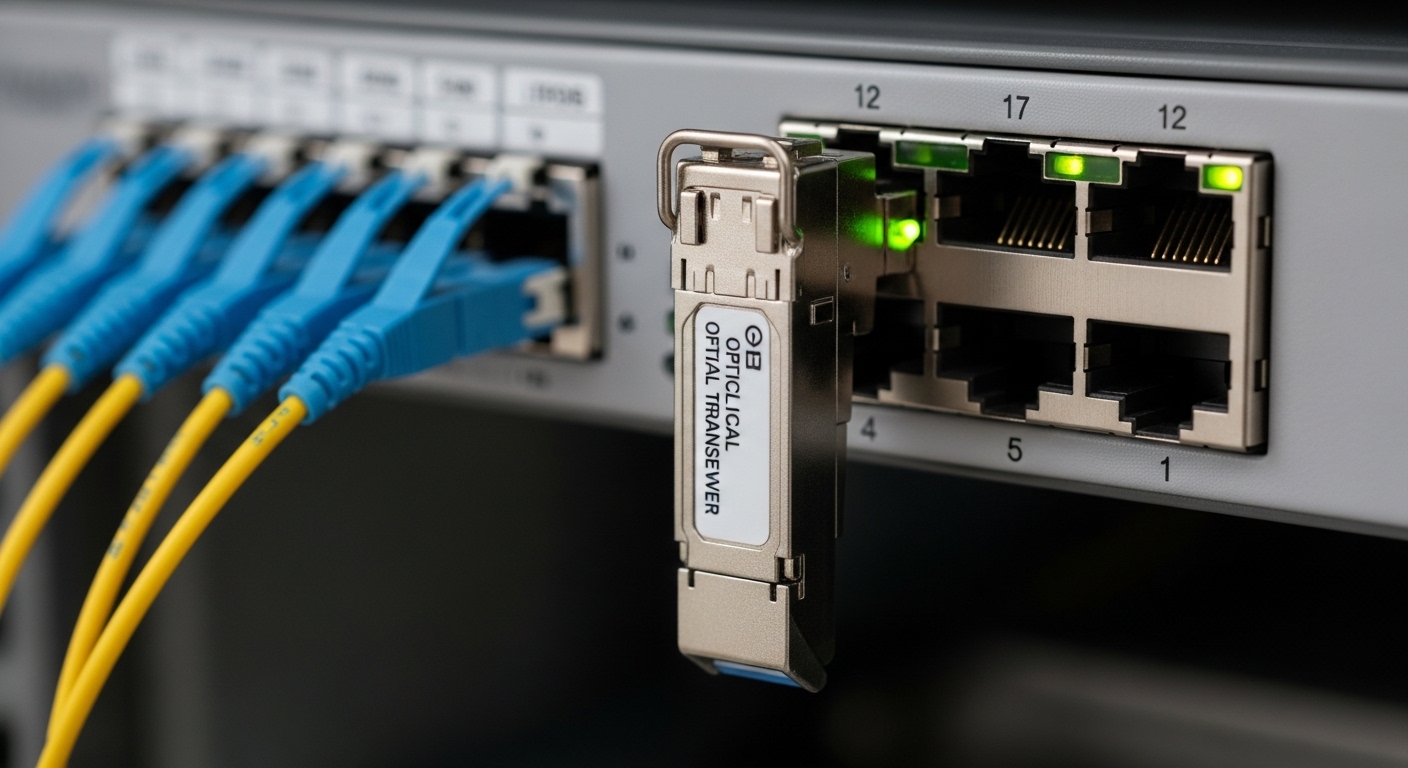
Typical specs: 1.25 Gbps, 850 nm, MMF, LC connector. In practice, this is the workhorse for intra-floor or between-closet runs where you can control patch cord length and keep the optical budget comfortable. Best-fit scenario: small VLAN islands where BACnet/IP controllers and routers connect to a floor aggregation switch.
- Pros: Widely compatible, lower cost, easy maintenance
- Cons: Distance limited by MMF quality and patch cord count
1G SFP with 1310 nm single-mode for longer BACnet backbone segments
Typical specs: 1.25 Gbps, 1310 nm, SMF, LC connector. If you are spanning between buildings, across parking structures, or through risers with uncertain attenuation, 1310 nm often gives more predictable reach on single-mode fiber. Best-fit scenario: campus-level BACnet/IP routing where you want stable optical performance across seasons.
- Pros: Longer reach, less sensitive to MMF launch conditions
- Cons: Requires SMF plant and correct connectorization
10G SFP+ 850 nm multimode when you are modernizing building cores
Typical specs: 10 Gbps, 850 nm, MMF, LC connector. Many smart buildings now consolidate CCTV, OT telemetry, and BACnet/IP traffic onto the same routed core, and 10G reduces congestion during commissioning and trending bursts. Best-fit scenario: leaf-spine style aggregation where KNX/IP gateways and BACnet routers share uplinks with monitoring systems.
- Pros: Higher throughput, good for bandwidth spikes
- Cons: MMF quality and length become critical; check link budget
10G SFP+ 1310 nm single-mode for resilient inter-closet links
Typical specs: 10 Gbps, 1310 nm, SMF, LC connector. This option is the reliability-minded upgrade when you want 10G without relying on pristine MMF. Best-fit scenario: inter-floor links between telecom rooms where you cannot easily standardize patch cord lengths.
- Pros: Strong optical margin on SMF, fewer “it works today” issues
- Cons: Higher module and fiber plant cost
2G/2.5G SFP variants for mixed-speed automation fabrics
Typical specs: 2 Gbps or 2.5 Gbps class, wavelength depends on vendor, LC connector. Some building controllers and edge switches support intermediate speeds that reduce oversubscription without jumping to 10G. Best-fit scenario: when BACnet/IP controllers are not bandwidth-heavy, but you need faster uplinks for logs and event batching.
- Pros: Balanced upgrade path, less expensive than 10G
- Cons: Compatibility varies; verify switch optics support
DOM-capable optics for BACnet monitoring and maintenance windows
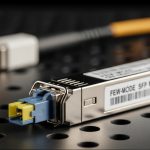
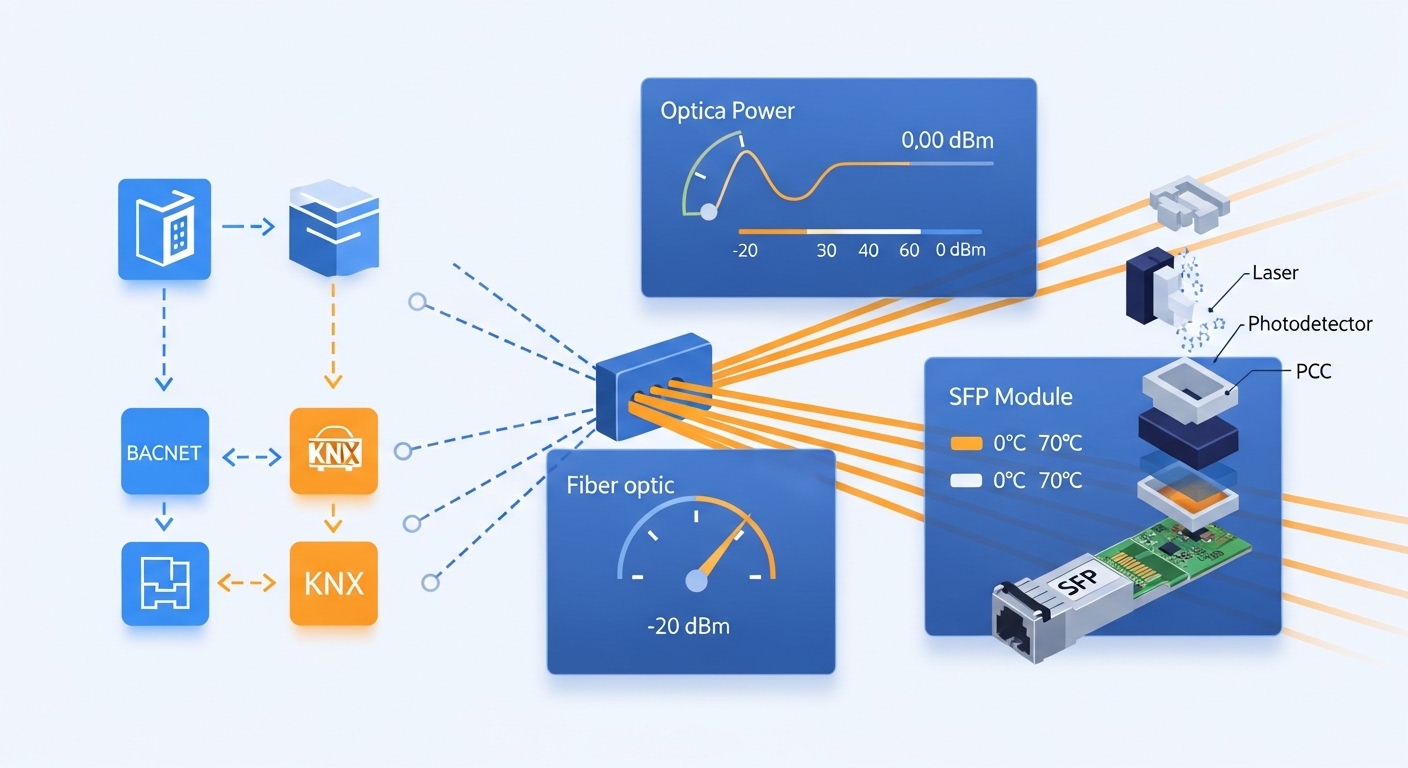
Key detail: Digital Optical Monitoring (DOM) lets you track laser bias, receive power, and temperature. For operations teams, this becomes a leading indicator before a link degrades, which matters for ISO 9001 style corrective action and traceability. Best-fit scenario: sites with strict maintenance schedules where you want early warnings rather than reactive truck rolls.
- Pros: Better visibility, easier preventive maintenance
- Cons: Non-DOM modules may be rejected by some switches
Vendor-qualified “known good” SFPs to reduce lock-in risk
Practical approach: choose optics that are explicitly qualified by your switch vendor or listed as compatible in the SFP support matrix. In field deployments, I have seen “works in the lab” failures when a replacement module’s EEPROM data or DOM behavior differs. Best-fit scenario: multi-year procurement where you need consistent replacements during warranty and post-warranty service.
- Pros: Lower downtime risk, fewer RMA loops
- Cons: Sometimes higher purchase price
KNX/IP over fiber with SFPs that match switch transceiver modes
Key detail: KNX/IP gateways and routing devices may depend on stable Ethernet link characteristics, including correct speed/duplex negotiation and consistent link up/down behavior. Best-fit scenario: when KNX/IP is carried over managed switches that enforce port profiles, requiring optics that behave predictably in those modes.
- Pros: Stable gateway connectivity during commissioning
- Cons: Mis-matched speed settings can cause intermittent discovery failures
Key specifications to compare before you buy
Engineers usually start with wavelength and reach, but the reliability story also depends on connector type, DOM support, and temperature range. Use the table as a quick filter, then confirm the exact optical budget against your deployed fiber and patching.
| Option | Data rate | Wavelength | Fiber type | Connector | Typical temp range | Best for |
|---|---|---|---|---|---|---|
| 1G SFP MM | 1.25 Gbps | 850 nm | OM3/OM4 | LC | 0 to 70 C (check datasheet) | Short BACnet/IP segments |
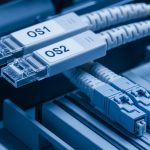
| 1G SFP SM | 1.25 Gbps | 1310 nm | OS2 | LC | -40 to 85 C (often available) | Inter-room backbone |
| 10G SFP+ MM | 10 Gbps | 850 nm | OM3/OM4 | LC | 0 to 70 C | Core modernization |
| 10G SFP+ SM | 10 Gbps | 1310 nm | OS2 | LC | -40 to 85 C (often available) | Resilient long links |
Deployment scenario: BACnet and KNX in a 3-tier building fabric
In a 20-story office retrofit, we typically see a 3-tier layout: floor access switches, a telecom closet aggregation layer, and a central core. On each floor, KNX/IP gateways and BACnet/IP controllers connect to 1G access ports, while the aggregation uplinks run at 10G to reduce queueing during commissioning. With 300 m typical SMF runs between closets and 15 dB conservative budget including splices and patch cords, 10G 1310 nm SM SFP+ modules with DOM were chosen to support preventive monitoring. Field checks included verifying Rx power within vendor thresholds and confirming stable link up behavior after temperature cycling.
Selection checklist engineers actually use
When I follow an ISO 9001 style “verify and record” mindset, I treat optics selection like a controlled change. This ordered checklist helps avoid the common “wrong module, wrong fiber, wrong day” failures.
- Distance and fiber type: measure end-to-end fiber length, then add patch cord and splice losses.
- Switch compatibility: confirm the exact SFP/SFP+ model is supported by the switch vendor and port mode.
- Wavelength and reach: match 850 nm MMF or 1310 nm SMF to your plant (OM3/OM4 vs OS2).
- DOM support: prefer DOM for optical power and temperature visibility during commissioning and audits.
- Operating temperature: validate module and enclosure thermal conditions; do not assume “it is indoors” means safe.
- Vendor lock-in risk: weigh OEM-qualified modules versus third-party, and plan spare strategy accordingly.
- Regulatory and safety: check laser class and compliance statements in the datasheet for your region.
Pro Tip: If your switch supports DOM, log Rx power after installation and again after any construction dust exposure or HVAC commissioning. A slow downward trend often signals dirty LC connectors or fiber micro-bends long before the link fully fails.