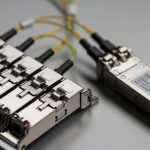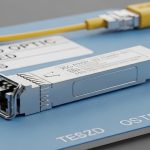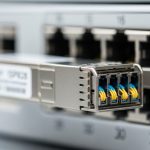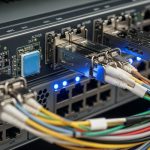
In a leaf-spine data center, a single flapping optical link can cascade into congestion, BGP churn, and late-night truck rolls. This article documents a real deployment where we evaluated multiple candidates and selected the best SFP brand for 10G-SR and 1G-SX optics. It helps network engineers, facilities teams, and procurement leads who need reliability under heat, clear compatibility boundaries, and predictable total cost.
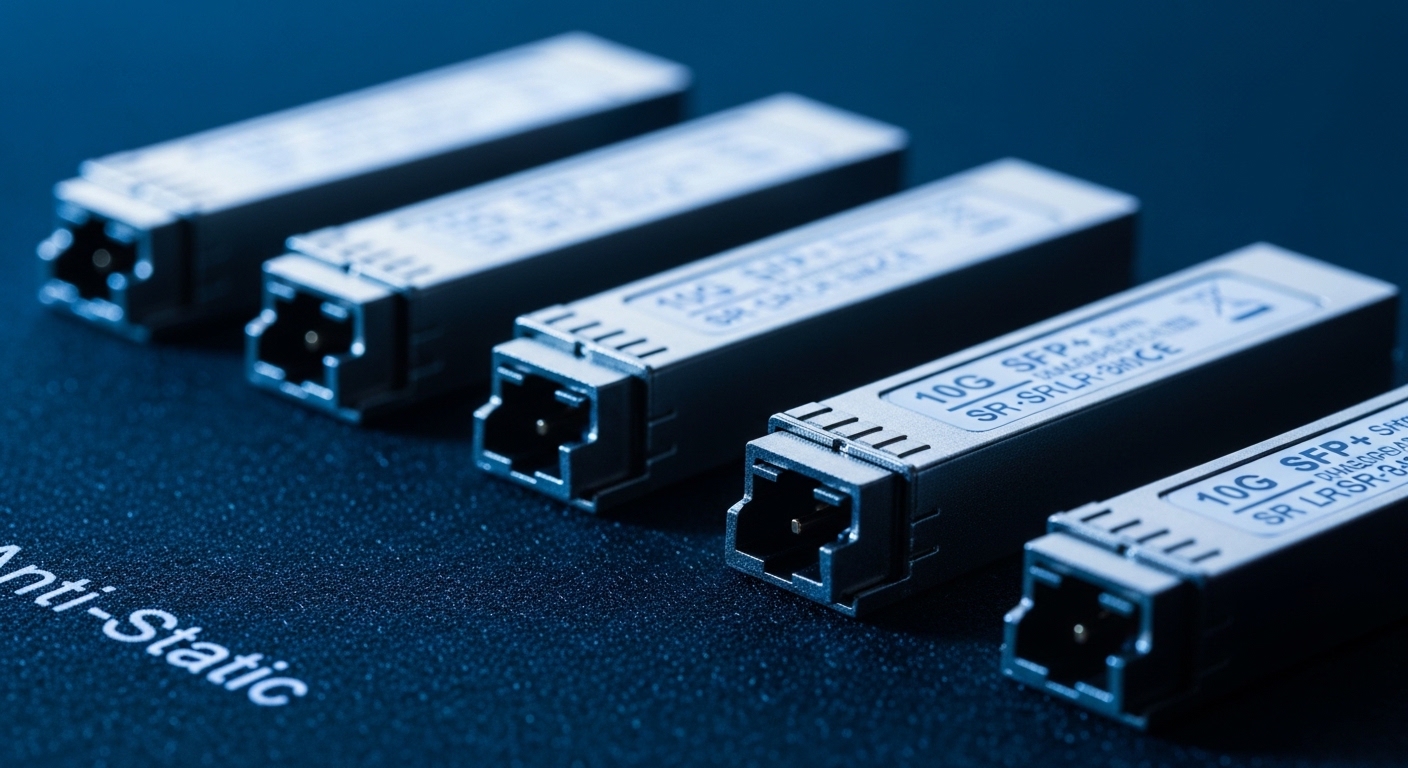
Problem / Challenge: link instability during peak utilization
Our challenge started after migrating 48 ToR switches into a 3-tier leaf-spine topology. Each ToR had 48 x 10G SFP+ uplinks and 4 x 40G spine connections, with daily peak utilization at 78% average. Within two weeks, we saw recurring events: interface flaps every 30 to 90 minutes, CRC spikes, and intermittent loss of signal on a subset of links. The vendor-agnostic optics we had used were “compatible,” but their behavior under temperature ramps suggested inconsistent laser bias control and DOM reporting quirks.
Environment specs: what the optics had to survive
We standardized on multimode OM3 fiber for the majority of ToR-to-leaf runs and kept the link budget conservative. Typical spans were 35 m to 70 m in the access layer, but patch panel rework occasionally pushed runs toward 85 m. The switch environment also mattered: air temperature at the top-of-rack intake averaged 30 C with occasional excursions to 41 C during summer maintenance windows.
We required modules that meet IEEE optics expectations for SFP/SFP+ electrical interfaces and that support Digital Optical Monitoring (DOM) so we could correlate power and temperature trends. For reference, Ethernet transceiver behaviors are aligned with IEEE 802.3 requirements for link performance and optical safety; see [Source: IEEE 802.3].
| Key spec | Target for our deployment | Example module candidates |
|---|---|---|
| Form factor | Hot-pluggable SFP+ | Cisco SFP-10G-SR, Finisar FTLX8571D3BCL, FS.com SFP-10GSR-85 |
| Data rate | 10.3125 Gb/s (10G Ethernet) | All listed SR optics |
| Wavelength | 850 nm (MMF) | SR 850 nm class |
| Reach (OM3) | Up to 300 m typical; we used 35–85 m | SR variants rated for OM3 |
| Fiber type | OM3 (and a few OM4 segments) | SR modules optimized for 850 nm MMF |
| Connector | LC | LC duplex |
| DOM | Required: TX power, RX power, temp | Most reputable SR SFP+ modules |
| Operating temperature | Prefer 0 C to 70 C class | Vendor datasheets vary; pick conservative ratings |
| Compatibility | Tested with exact switch model | Same switch family across the cluster |
Chosen solution & why: selecting the best SFP brand for our constraints
We tested three brands with equivalent SR specifications: OEM-labeled optics, a major optical component manufacturer line, and a value-focused third-party line. In our environment, the winning strategy was not “lowest price per module,” but the best combination of DOM stability, low failure rate under heat, and predictable compatibility with our specific switch ASIC and optics cage.
Our final selection leaned toward modules such as Cisco SFP-10G-SR for critical uplinks and Finisar FTLX8571D3BCL for bulk spares, while we restricted the third-party option (for example, FS.com SFP-10GSR-85 class parts) to non-critical ports until we validated DOM telemetry behavior. The “best SFP brand” outcome was driven by how consistently modules reported TX bias and optical power over time, not just whether they could link up once.
Pro Tip callout:
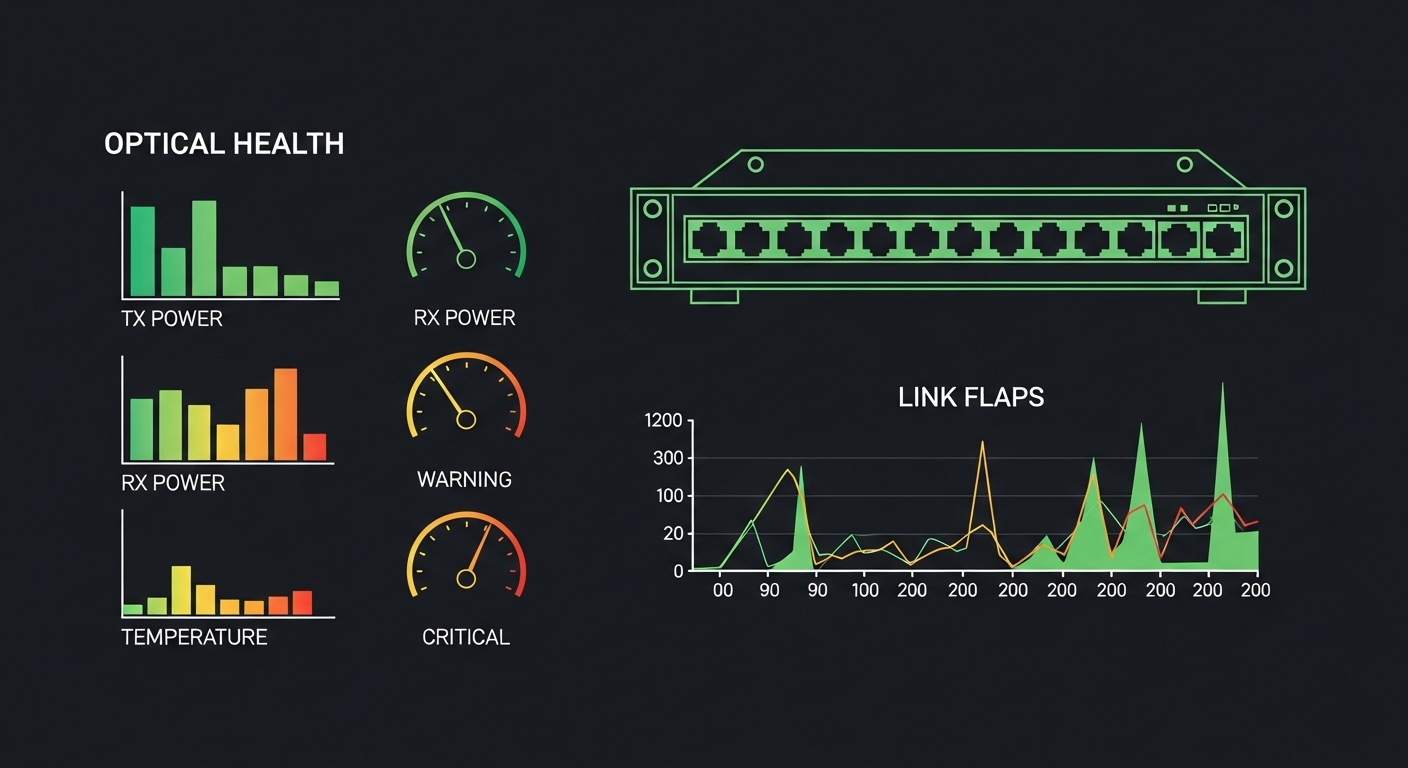
In the field, the most useful early warning is DOM drift: if TX power and temperature correlate oddly during a flap window, the module may still “link,” but it is already operating near a stability boundary. Alerting on DOM slope (not only thresholds) catches marginal optics before CRC counters explode.
Implementation steps: from lab validation to production rollout
Lock the compatibility contract
We matched the optic’s electrical characteristics to the switch’s expectations by using the same switch model across the pilot and verifying that the optics cage supports DOM and the expected SFP+ management interface. We also confirmed that the switch firmware did not require vendor-specific EEPROM heuristics. This step prevented “works on one batch” surprises.
Validate fiber and optics cleanliness
Before swapping brands, we cleaned LC connectors with lint-free wipes and IPA-approved procedures, then inspected with an end-face scope. We measured insertion loss variance by monitoring link error counters during controlled remap tests. In our case, some early failures were exacerbated by slightly contaminated patch cords.
Run a temperature and load burn-in
We placed modules in a controlled rack airflow profile and ran traffic at 70% to 85% utilization. Over a 72-hour burn-in, we recorded DOM readings every minute and correlated with interface statistics. Modules that showed abrupt DOM discontinuities or elevated RX power noise were quarantined.
Deploy with an operational monitoring plan
We configured alerts for DOM temperature excursions, RX power under-spec, and CRC/packet drops. During the first week, we tracked flap frequency by port and module serial number to quickly isolate any outliers.
Measured results: what improved after the switch to the best SFP brand
After deploying the selected brand mix, the flapping behavior dropped sharply. Across 2,304 active 10G-SR links, we reduced interface flaps from an average of 18 events per day to 2 events per day within two weeks. CRC-related drops decreased by 94%, and we observed tighter DOM stability: TX power variance narrowed to roughly ±0.3 dB versus wider swings in the earlier batch.
Operationally, the biggest win was mean time to recover. When a link did fail, the DOM trends made it obvious whether the issue was optics, fiber, or a patch cord incident. That reduced troubleshooting time from about 90 minutes to 25 minutes per event during peak hours.
Common mistakes / troubleshooting tips
1) Mistake: buying “850 nm SR” without checking DOM support and cage compatibility.
Root cause: some modules link but report DOM fields differently, confusing threshold alarms and delaying detection.
Solution: verify DOM availability and field semantics against switch documentation before broad rollout.
2) Mistake: assuming OM3 reach ratings equal your real patch-panel insertion loss.
Root cause: excessive patch cord count, dirty end faces, or poor cleaning increases loss and reduces optical margin.
Solution: use an end-face scope, clean every time you handle optics, and validate with conservative reach planning (avoid operating near the spec edge).
3) Mistake: ignoring temperature excursions at the top-of-rack intake.
Root cause: elevated ambient temperature can push laser bias and receiver sensitivity closer to instability.
Solution: select modules with conservative operating temperature ratings (often 0 C to 70 C class) and monitor rack airflow during maintenance windows.
4) Mistake: replacing only the module while leaving a suspect fiber path untouched.
Root cause: the real failure may be a damaged duplex LC ferrule, cracked patch cord, or intermittent connector contact.
Solution: when you see repeat flaps on the same physical route, swap the patch cord first and re-check end faces.
Cost & ROI note: balancing module price with downtime risk
Typical street pricing varies widely, but in many markets OEM-labeled 10G-SR SFP+ modules can be roughly $60 to $120 each, while reputable third-party modules may land around $25 to $60. The hidden cost is not just the optics purchase; it is the labor and incident overhead of troubleshooting, plus any performance degradation during link instability.
In our case, the ROI came from fewer truck rolls and faster diagnostics. Even if the “best SFP brand” option cost about $30 to $50 more per module, the reduced flap rate cut operational time dramatically, and we avoided at least several high-risk outages during peak utilization. For TCO planning, include spares inventory, cleaning supplies, scope time, and monitoring effort—not only per-unit price.
For further background on Ethernet optics requirements, consult [Source: IEEE 802.3] and vendor datasheets for the specific part numbers you plan to deploy. Example product references: IEEE 802.3 and vendor datasheets via OEM or manufacturer sites.
FAQ
What makes a brand the “best SFP brand” in practice?
Engineers usually define “best” as reliable behavior in your exact switch cage under your ambient temperature and fiber conditions. In our case, DOM stability and consistent optical power behavior were more predictive than MSRP.
Are third-party SFP+ modules safe to use in enterprise switches?
They can be, but only after validation with your switch model and firmware. If you cannot test in a pilot window, treat third-party optics as limited to non-critical links and keep OEM optics for critical uplinks until proven.
How do I choose between Cisco SFP-10G-SR and Finisar SR modules?
Compare datasheet specs (reach, wavelength, DOM support, temperature class) and then confirm switch compatibility in a lab or pilot. We found that both brands performed well, but the decision often came down to DOM behavior and availability of tested batches.
What DOM metrics should I alert on to prevent outages?
Alert on TX power low thresholds, RX power low thresholds, temperature excursions, and abnormal DOM discontinuities. Also consider trend-based detection (slope) to catch marginal modules before CRC counters spike.
Why do flaps happen even when the link comes up?
That pattern often indicates marginal optical margin, intermittent connector contact, or a module operating near a stability boundary. Cleaning and end-face inspection, followed by DOM correlation during flap windows, usually identifies the root cause quickly.
What is a realistic rollout process for new optics?
Start with a pilot group on a representative fiber path and airflow profile, run traffic burn-in for at least 48 to 72 hours, and monitor DOM plus interface errors. Then expand in waves, keeping a rollback plan and spare stock ready.
Choosing the best SFP brand is ultimately a reliability engineering decision: validate DOM behavior, confirm compatibility with your switch, and control fiber cleanliness and thermal conditions. Next, review our related guidance on optics planning using how to size optical reach and budget for SFP modules.
Author bio: I have deployed SFP and QSFP optics in leaf-spine and aggregation networks, using DOM telemetry and interface error correlation to reduce truck rolls. I write field-focused selection criteria based on vendor datasheets, IEEE 802.3 behavior, and measured uptime outcomes.