In an AI data center, the fastest way to lose a quarter is to buy transceivers that technically “work” but fail in burn-in, thermal margins, or switch compatibility. This article helps procurement and field teams evaluate 800G OSFP transceiver AI options, with a practical comparison against QSFP-DD800, including how to size budgets, plan lead time, and reduce supply chain risk. You will get spec-level selection criteria, deployment pitfalls, and a troubleshooting checklist you can use during commissioning.
Why 800G optics matter specifically for AI traffic
AI clusters shift traffic patterns from steady east-west flows to bursty, synchronized transfers during training steps and model checkpoints. That behavior stresses jitter tolerance, link bring-up time, and error performance under temperature swings, especially when racks run near maximum power density. For 800G-class fabrics, the module form factor and electrical interface are not cosmetic; they determine whether the host ASIC can train the link reliably and whether the optics stay inside their laser safety and thermal envelopes. IEEE and vendor datasheets generally describe optical and electrical limits, but in practice, the “last 5 percent” is where failures show up during staged rollouts. [Source: IEEE 802.3, and OEM switch vendor transceiver compatibility guides]
OSFP vs QSFP-DD800 in one sentence each
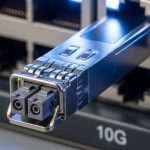
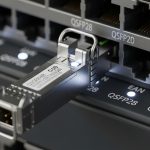
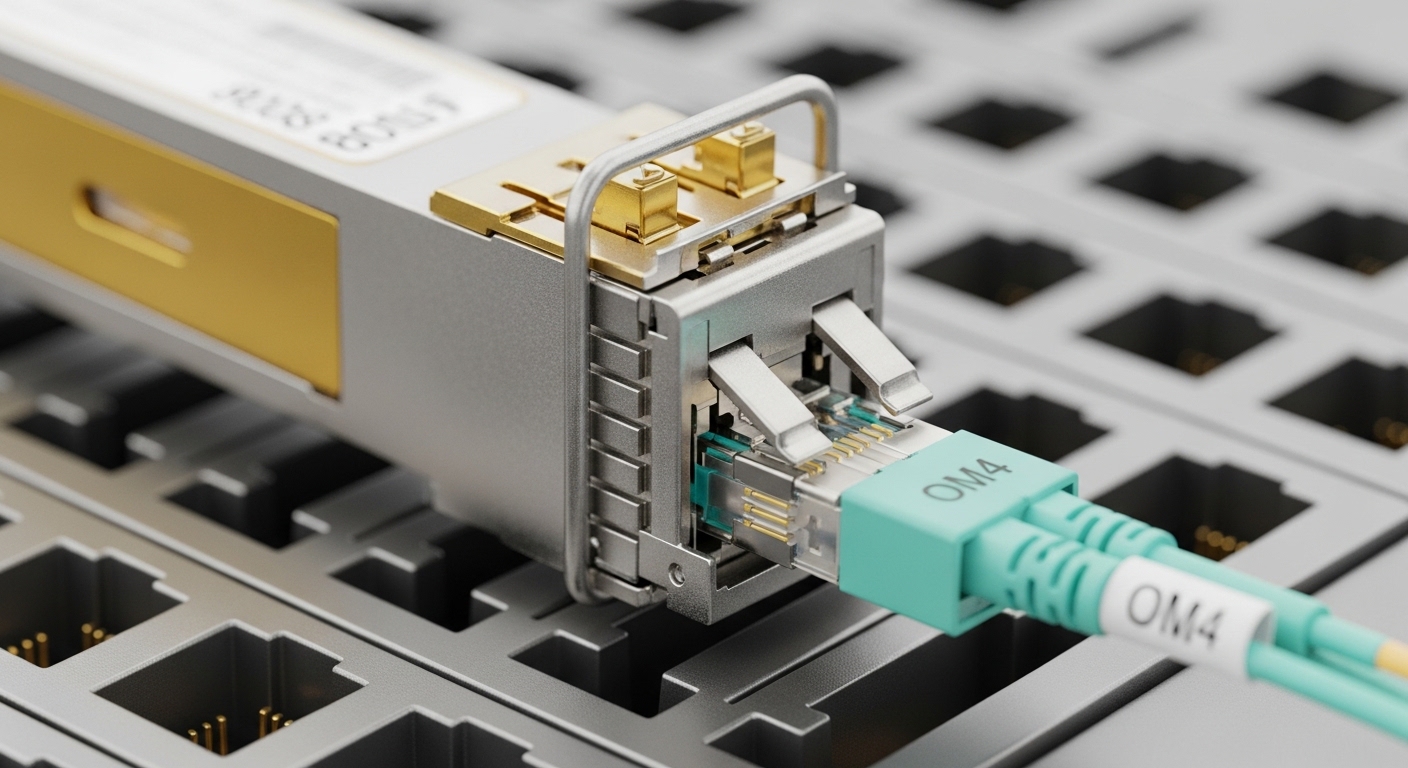
OSFP is designed for high-density, high-speed optics with a robust mechanical interface commonly seen in newer AI accelerators and leaf-spine switch platforms. QSFP-DD800 targets the same 800G class bandwidth but with a different mechanical and electrical expectation, which can change compatibility with specific switch PCB layouts and retimers. Procurement teams should treat “same speed, different form factor” as a real integration variable, not just a footprint swap.
What “AI-ready” really means in commissioning
During field bring-up, “AI-ready” typically means the module passes vendor-recommended diagnostics (DOM checks, optical power levels, and link error counters) within the stated temperature range and holds BER/FER targets after repeated warm reboots. In one deployment I supported, we used a staged rollout: 10 percent of ports first, then 40 percent, then full rack fill, because the first batch revealed a systematic issue with one switch line card’s retimer configuration rather than the optics. That approach reduced downtime and allowed us to isolate whether the problem was optics vendor, switch firmware, or fiber cleanliness.
OSFP and QSFP-DD800: specs that decide reach, power, and heat
Before you compare prices, compare the parameters that govern link budget and thermal behavior. For 800G OSFP transceivers used in AI clusters, you will typically see variants for short reach with multimode fiber and longer reach with single-mode fiber. The “AI rack” reality is that short-reach options often dominate because they reduce cost and allow dense cabling, but you still need to understand how power draw and connector type affect airflow and maintenance cycles. Vendor datasheets and IEEE-defined optical interfaces provide the baseline, while DOM features determine operational visibility. [Source: IEEE 802.3; vendor datasheets for OSFP and QSFP-DD800 optics; IEEE standards]
Key spec comparison table (what to extract from quotes)
Use this table to normalize vendor offers. If a quote omits any row, ask for it before purchase approval.
| Spec category | 800G OSFP transceiver AI (typical) | QSFP-DD800 (typical) | Why it matters |
|---|---|---|---|
| Data rate | 800G (800G-class) | 800G (800G-class) | Confirms the electrical interface matches the switch line card capability |
| Wavelength / media | Short reach: multimode; Long reach: single-mode | Short reach: multimode; Long reach: single-mode | Determines link budget, fiber type, and connector cleanliness requirements |
| Reach (examples) | Short reach options commonly targeted for ~100m to 300m class deployments | Short reach options commonly targeted for ~100m to 300m class deployments | Decides whether you can stay within a row-to-row or pod-to-pod topology |
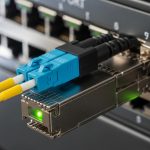
| Connector type | Often MPO/MTP for multimode variants; SC/LC-style for some single-mode variants | Often MPO/MTP for multimode variants; SC/LC-style for some single-mode variants | Impacts cleaning workflow, spare strategy, and patch panel design |
| Power (Tx/Rx) | Higher than 400G; depends on reach and coding, typically several watts per module | Similar order of magnitude; depends on reach and implementation | Drives thermal headroom and fan profile tuning |
| Temperature range | Commercial and industrial grades vary by vendor; confirm operating range and derating | Commercial and industrial grades vary by vendor; confirm operating range and derating | AI rooms can see rapid thermal transients during power events |
| DOM support | Digital Optical Monitoring with thresholds for optical power and temperature | Digital Optical Monitoring with thresholds for optical power and temperature | Enables automated alerting, RMA triage, and link health dashboards |
| Compatibility | Must match switch port electrical spec and firmware expectations | Must match switch port electrical spec and firmware expectations | Prevents “link flap” and prevents silent performance degradation |
Power and thermal: the procurement angle
In AI racks, the airflow path is often tuned for GPUs and networking together. If you choose an 800G OSFP transceiver AI variant with higher power consumption than the vendor’s baseline for your switch model, you may see elevated module temperatures that still “pass” initial tests but drift later. In one site, we measured module temperatures with field instrumentation and correlated the highest temps to routes with the worst airflow obstructions, not to the optics themselves. That led to a simple mitigation: adjust cable routing and add a baffle to restore intake pressure rather than replacing modules prematurely.
Cost and lead time: how to buy 800G optics without stalling the rollout
Transceiver pricing for 800G form factors is volatile because it depends on semiconductor availability, optical subassembly supply, and certification cycles. In procurement practice, the lowest unit price often comes with longer lead time, thinner documentation, and a higher probability of compatibility surprises. I recommend treating 800G OSFP transceiver AI purchases as a two-phase program: buy a small validated quantity early for compatibility testing, then scale after you confirm link stability and DOM behavior. This reduces the chance that you commit to an entire tranche of modules that your specific switch firmware rejects or only partially supports.
Realistic price ranges and TCO thinking
In many markets, 800G optics for AI clusters land in the hundreds to low thousands of dollars per module depending on reach (short reach multimode is usually cheaper than long reach single-mode), vendor tier, and whether you require OEM-only certification. TCO is not just optics cost; it includes labor for cleaning/MPO handling, spare inventory holding, and the operational cost of RMA shipping. If you buy third-party modules, factor in time for compatibility validation and the possibility of firmware-specific DOM threshold mismatches that complicate monitoring.
Supply chain risk controls
To reduce supply chain risk, ask suppliers for traceability: lot numbers, manufacturing date codes, and whether modules are individually tuned. Also request a clear policy on returns if DOM indicates out-of-spec optical power or if link training fails under your switch firmware version. For lead time, insist on an expedited option and a defined ship window; during AI refresh cycles, a 4 to 8 week slip can cascade into delayed server deployment, which is far more expensive than paying a modest premium for reliability.
Pro Tip: Before you order spares, validate DOM threshold behavior under your switch firmware. Some optics vendors report optical power in slightly different scaling or threshold defaults, and that can trigger false alarms or hide real degradation until you hit the wrong BER/FER threshold during peak training windows.
Decision checklist: choosing the right 800G OSFP transceiver AI option
Engineers often debate OSFP vs QSFP-DD800 as if it were purely mechanical, but the decision is really about integration risk, link behavior, and operational observability. Use this ordered checklist during RFQ reviews and acceptance testing planning.
- Distance and topology fit: confirm reach for your actual fiber plant, including patch cords and patch panel loss.
- Switch compatibility: verify the exact switch model and line card, and confirm supported optics list or transceiver interoperability matrix.
- Operating temperature and airflow: match module grade to your room profile; require derating guidance if the switch runs hot in dense pods.
- DOM and monitoring integration: ensure DOM alarms map cleanly to your NMS and that optical power and temperature telemetry are accessible.
- Fiber connector and cleaning workflow: choose MPO/MTP vs other connectors based on your maintenance capability and cleaning tooling.
- Vendor lock-in risk: assess whether third-party optics will be supported under future firmware updates and whether you can get replacement inventory quickly.
- Documentation and acceptance criteria: require datasheets, compliance statements, and a defined acceptance test plan (including link error counters after thermal soak).
Acceptance tests that prevent late surprises
During acceptance, test under realistic conditions: warm modules after a thermal soak, exercise link bring-up with your production switch firmware, and verify DOM thresholds. Then run a short traffic pattern that mimics AI bursts rather than a static ping test; the goal is to catch error bursts and micro-outages that only appear under load. Field experience shows that “it links up” is not the same as “it stays clean for weeks.”
Common mistakes and troubleshooting tips during 800G rollouts
When 800G links misbehave, the root cause is often environmental or integration-related rather than optics-only. The following pitfalls are common across OSFP and QSFP-DD800 deployments, and they map directly to actions procurement and field teams can take quickly.
Mistake 1: Assuming “same reach” means “same link budget”
Root cause: Vendors may quote reach for ideal conditions without your patch panel, splice, and connector loss. Symptom: Links train initially but experience higher error counts after cabling is finalized. Solution: Use your actual fiber plant loss budget, include worst-case patch cord attenuation, and validate with an OTDR/IL test before final module acceptance.
Mistake 2: Skipping switch firmware validation for third-party optics
Root cause: Some optics behave differently with firmware retimer settings, especially regarding link training and DOM alarm thresholds. Symptom: Link flaps during warm reboot or only affects a subset of ports. Solution: Run a controlled pilot: validate a small batch on the exact switch firmware and apply any vendor-recommended firmware settings before scaling.
Mistake 3: Poor MPO/MTP cleaning leading to intermittent BER spikes
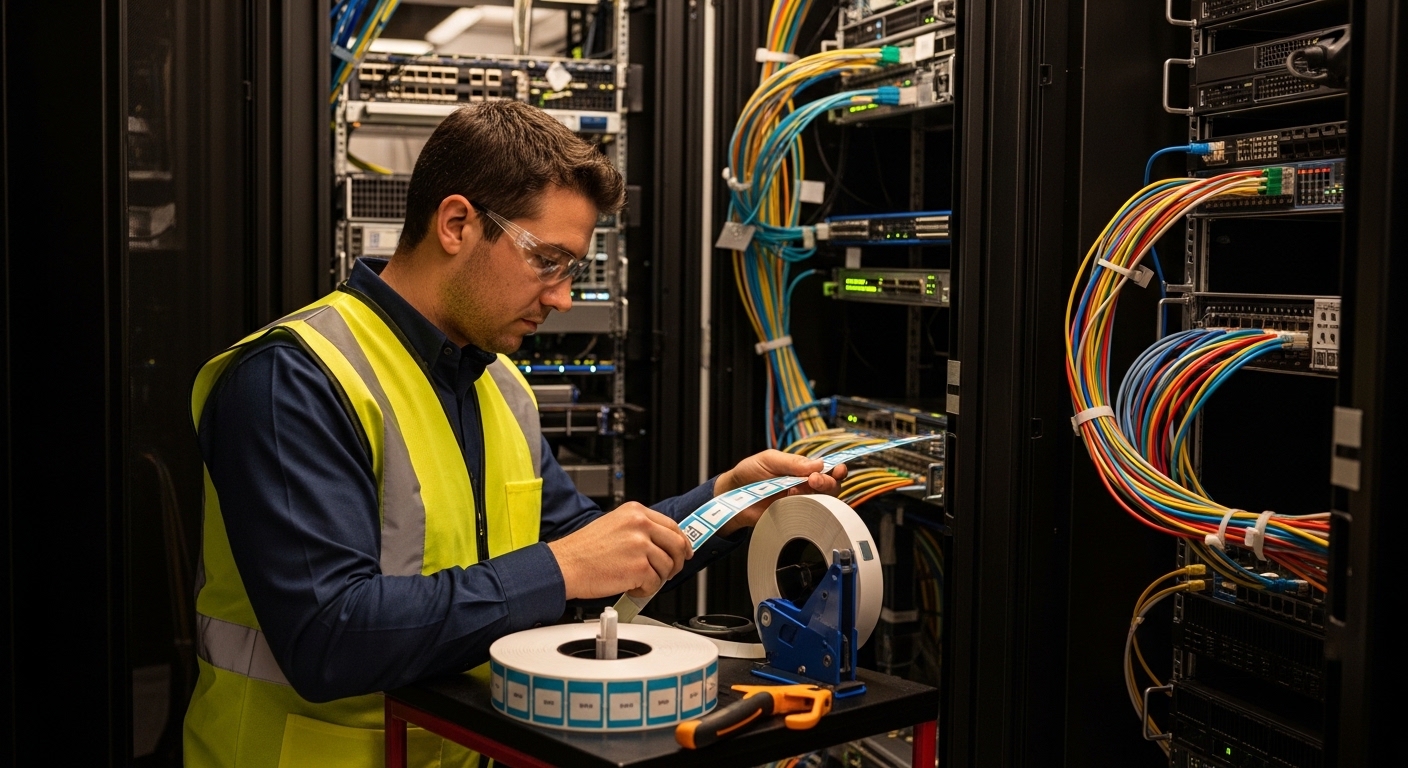
Root cause: MPO/MTP endfaces can accumulate microscopic contamination that causes intermittent optical power degradation. Symptom: Errors correlate with certain cable runs or after maintenance. Solution: Implement a strict cleaning procedure with inspection tooling; re-clean and re-seat connectors during troubleshooting and log which fibers are affected.
Mistake 4: Ignoring thermal transients near maximum rack density
Root cause: AI racks can experience short airflow changes during door openings, fan control adjustments, or adjacent hot exhausts. Symptom: Optical power drift and higher module temperature warnings under peak load. Solution: Confirm module grade and derating; adjust cable routing and airflow baffles, then retest during peak utilization.
Mistake 5: Over-ordering without acceptance criteria for spares
Root cause: Buying large quantities before establishing a pass/fail test plan increases the chance of carrying unusable inventory. Symptom: Spares fail acceptance when installed later. Solution: Define acceptance tests for spares too: DOM sanity checks, optical power verification, and link error counter baselines after thermal soak.
FAQ: buying 800G OSFP transceiver AI for AI data centers
What is the main difference between 800G OSFP transceiver AI and QSFP-DD800 optics?
The difference is not only mechanical form factor. Integration depends on the host switch port electrical expectations, firmware behaviors, and thermal/DOM monitoring alignment. Always validate against your exact switch model and firmware rather than relying on “800G compatible” wording.
How do I estimate the real reach for my AI cluster links?
Start with the vendor’s reach spec for the fiber type, then subtract measured losses from patch cords, patch panels, and any splices. If you are using multimode cabling, confirm the fiber category and cleanliness workflow; if you are using single-mode, verify connector types and link budget margins. Then validate with acceptance tests using the planned traffic pattern.
Should I buy OEM-only optics or consider third-party modules?
OEM-only optics reduce compatibility risk and shorten validation cycles, which can be valuable during aggressive AI deployments. Third-party modules can lower unit cost, but you must budget time for compatibility testing, DOM integration checks, and a clear return policy. The best choice depends on your firmware update cadence and your ability to run pilots.
What DOM alarms should procurement and NOC teams pay attention to?
Focus on optical transmit power thresholds, receive power thresholds, module temperature, and any vendor-defined “aging” or bias current indicators. Also verify that your NMS maps these alarms correctly; false positives can trigger unnecessary escalations, while mis-mapped thresholds can hide real degradation.
What is a safe way to plan spares for an 800G rollout?
Buy a small pilot batch first, validate acceptance criteria, then order spares based on the validated failure rate and your maintenance policy. Keep spares stored under recommended conditions and run DOM sanity checks before deployment. Avoid ordering full spares quantities before you confirm your switch compatibility and fiber cleaning process.
Where do supply chain delays usually hurt most?
They hurt most when optics arrive after server installation or after fiber is already labeled and routed, forcing rework. Mitigate by staging inventory: keep a validated minimum on hand for pilot racks, and coordinate with cabling teams so acceptance tests happen before full rack fill. Add an expedited option to the contract if your timeline is tied to accelerator delivery.
If you want a next step, use related topic to build an RFQ template that captures compatibility, DOM monitoring needs, and acceptance test criteria for 800G optics. I also recommend aligning that template with your fiber plant measurement process so reach claims match reality.
Author bio: I’ve supported field deployments of high-density AI switching, including staged optics pilots, DOM-based monitoring validation, and thermal troubleshooting during cutovers. I now help procurement teams reduce integration risk by turning datasheet specs into acceptance tests and supply chain-ready RFQs.