SFP Modules in Industrial Ethernet Applications: Enhancing Connectivity, Reliability, and Efficiency
Industrial Ethernet networks demand robust, high-performance connectivity that can withstand harsh environments, long distances, and mission-critical uptime. Small Form-factor Pluggable (SFP) modules offer a versatile solution for extending reach, supporting diverse fiber types, and enabling flexible network design. This article explores how SFP modules empower industrial Ethernet applications—from factory floors to edge deployments—with practical guidance, technical considerations, and optimization tips.
What are SFP Modules and Why They Matter in Industry
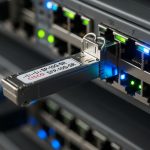
SFP modules are compact transceivers that plug into network equipment to convert electrical signals to optical or electrical signals for transmission over fiber, copper, or other media. In industrial Ethernet, SFPs enable:
- Flexible fiber interfaces (single-mode and multi-mode) to cover short to long-haul links.
- Hot-swappable upgrades and maintenance without replacing entire switches or routers.
- Extended reach beyond copper limits, reducing the need for repeaters or additional switches.
- Improved EMI resilience and security through fiber-optic transmission.
- Compliance with industrial standards (IEC/EN, IEEE) for rugged environments.
Choosing the right SFP type—SR, LR, ER, ZR, SE, LX, CX, or CWDM/DWDM variants—depends on distance, environmental conditions, and the specific Ethernet standard (e.g., 100 Mbps, 1 Gbps, 10 Gbps, or higher) used in the industrial network.
Key Specifications for Industrial SFP Modules
Understanding the critical specs helps ensure reliable operation in factories, data centers, and outdoor deployments.
- Data Rate and Form Factor: Common industrial SFPs support 1 Gbps and 10 Gbps, with QSFP and SFP+ variants for higher speeds. Match the module to the switch port compatibility.
- Wavelength and Fiber Type: Typical options include 1310 nm and 1550 nm for single-mode fiber, and 850 nm or 1310 nm for multi-mode. Choose based on distance and fiber availability.
- Link Budget and Distance: Determine the maximum split of transmitter power minus receiver sensitivity. Industrial environments often require longer reach (LR, ER, or ZR) to cover machine areas, mezzanines, or outdoor campuses.
- Extinction Ratio and Receiver Sensitivity: Higher values improve performance in noisy or reflective environments common in factories with steel structures and metal enclosures.
- Operating Temperature Range: Industrial SFPs come with wide temperature ratings (e.g., -40°C to 85°C) and ruggedized housings to tolerate vibration, dust, and humidity.
- Digital Diagnostics Monitoring (DDM/DOM): Real-time monitoring of optical power, temperature, and supply voltages helps maintain link health and preempt failures.
- EMI/EMC Compliance and Robustness: Certifications and rugged design protect against electromagnetic interference and harsh industrial conditions.
Practical Deployment Scenarios
Industrial settings benefit from SFP modules in several core configurations:
- Fiber Backbone for Factory Floors: Use LR or ER SFPs to connect switch-to-switch across the plant, enabling high-speed, low-latency corridors between data aggregation points and control systems.
- Uplink Extensions: Extend network uplinks from a centralized data center to edge devices located in machines or sub-stations via single-mode fibers, preserving bandwidth for critical applications like PLCs and SCADA.
- Redundancy and Resilience: Implement redundant links with SFPs supporting Westwood/ITU standards for ring topologies, enabling fast failover and uninterrupted diagnostics.
- Outdoor and Harsh Environments: Use rugged-industrial SFPs with extended temperature ratings and protective enclosures for outdoor cabinets, weatherproof enclosures, or rail yards.
- Consolidation of Media: Replace long copper runs with SFP-based fiber links to reduce heat, electrical noise, and energy consumption while increasing bandwidth.
Technical Considerations for Industrial SFP Selection
Choosing the right SFP involves balancing performance, cost, and environmental constraints. Consider the following:
- Distance and Fiber Infrastructure: Determine whether single-mode fiber (SMF) or multi-mode fiber (MMF) is available, then select an SFP with a wavelength and reach that match the distance (SR for MMF short distances, LR/ER for SMF long distances).
- Port Density and Scalable Upgrades: If you anticipate growth, plan for SFP+ or QSFP28 options to avoid frequent hardware changes. Ensure your switches support the higher-density modules.
- Power, Cooling, and Size: Industrial enclosures may have limited cooling; select low-drift, higher-efficiency SFPs and consider airflow in racks and cabinets.
- Redundancy Protocols: Align SFP capabilities with network redundancy strategies such as RSTP, MRP, or S-PB ( supplier-specific protection) to maintain service during link failures.
- Security and Isolation: Fiber links naturally provide electrical isolation; combine with network segmentation and secure management to protect control networks.
- Diagnostics and Maintenance: Favor SFPs with DOM/DDM to monitor optical power and temperature, enabling proactive maintenance and reducing unplanned downtime.
Environmental and Reliability Best Practices
Industrial environments impose unique stressors. Follow these best practices to maximize SFP performance and longevity:
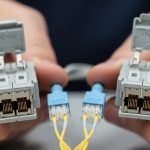
- Secure and Dust-Proof Cabling: Use ruggedized fiber jumpers, proper strain relief, and cable glands to protect connections from vibration and dust ingress.
- Vibration and Shock Tolerance: Mount equipment on vibration-damped racks, and select SFPs rated for high-vibration scenarios to prevent mechanical stress on the connector and PCB.
- Temperature Management: Place switches with SFPs in temperature-controlled rooms or use external cooling in cabinets with high-density modules.
- ESD and Grounding: Implement proper grounding and ESD protection for fiber and copper interfaces to avoid transient damage during maintenance.
- Migration Strategy: Plan phased deployments with backward-compatible SFPs to minimize downtime when upgrading to higher speeds or longer reach.
Maintenance, Diagnostics, and Troubleshooting
Maintaining SFP health is critical to uninterrupted industrial operations. Key practices include:
- Regular DOM Monitoring: Schedule checks of optical transmit power, received power, temperature, and voltage to detect aging or misalignment early.
- Link Budget Audits: Periodically verify that the link budget remains within specification, especially after maintenance or changes in fiber paths.
- Connector Cleanliness: Clean fiber connectors with appropriate wipes and solvents before mating to reduce insertion loss and reflections.
- Redundancy Validation: Test failover paths to ensure SFP-reliant redundancy operates as intended under simulated failures.
- Firmware Compatibility: Keep SFP firmware and switch firmware aligned to avoid interoperability issues and unlock features like enhanced error reporting.
Choosing a Partner: Industrial-Grade SFP Modules
When sourcing SFP modules for industrial Ethernet, partner with vendors who provide:
- Wide temperature-range options and rugged housings tailored for industrial deployments.
- Explicit industrial certifications (IEC, IECEx, UL, CE) and robust warranty terms.
- Clear compatibility matrices with major industrial switches, controllers, and managed gateways.
- Comprehensive technical support, fast RMA processes, and precise DOM data reporting.
- Lifecycle guarantees, ensuring availability of replacement parts and predictable total cost of ownership.
Conclusion: SFP Modules as a Strategic Enabler in Industrial Ethernet
SFP modules bring modularity, flexibility, and resilience to industrial Ethernet networks. By selecting the right wavelength, reach, and environmental rating, engineers can extend network reach, improve reliability, and simplify maintenance in factories, warehouses, and outdoors. Whether upgrading an existing backbone, enabling edge connectivity for PLCs and sensors, or designing a redundant, future-proof campus network, SFP modules offer a