SFP Module MSA Standards: What You Need to Know
Small Form-factor Pluggable (SFP) modules are the workhorse of modern data centers and enterprise networks. They enable flexible, hot-swappable fiber and copper connectivity with standardized dimensions and electrical interfaces. The MSA (Multi-Source Agreement) standards govern the form factor, mechanical dimensions, electrical interfaces, and interoperability of SFP optics and transceivers. Understanding these standards helps you select compatible modules, avoid vendor lock-in, and optimize network performance. In this guide, we cover the key MSA standards, what they cover, practical implications for deployments, and best practices to ensure seamless interoperability.
What is an MSA in the context of SFP?
The MSA is a cooperative agreement between multiple manufacturers to define a common specification. For SFPs, the MSA sets the physical footprint, connector types, electrical interface, and, in many cases, the signaling and performance characteristics. While the MSA ensures basic compatibility, individual vendors may add features or opt for extra certifications. The result is a wide ecosystem where different vendors’ SFPs and switches can interoperate, provided they adhere to the established MSA and the switch’s own compatibility matrix.
Key SFP MSA Standards and their scope
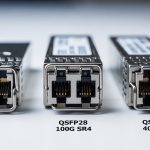
- Physical dimensions and mechanical interface (SFP28, SFP+ lineage): The classic SFP form factor defines the module’s length, width, height, and the pinout arrangement for hot-swapping into SFP-enabled transceivers and switches. The MSA ensures a universal docking footprint so you can mix SFPs from different vendors without mechanical conflicts.
- Electrical interface and pinout: The MSA specifies the electrical contacts, signaling levels, and basic functional pins (Tx, Rx, power, ground, and management lines). This guarantees that a module from one manufacturer can communicate correctly with a host device from another, as long as the host supports the given SFP type (e.g., SX, LX, LX10, ZR, or copper variants).
- Interface compatibility and signaling (SFP vs. SFP+ vs. SFP28): While the physical form factor remains consistent, data rates vary by generation (1 Gbps for SFP, 2 Gbps for SFP+, 25 Gbps for SFP28). The MSA helps prevent mismatches at the electrical and mechanical levels, but you must ensure the host device supports the desired rate and wavelength.
- Wavelength and optical interfaces for fiber variants: The MSA defines standard optical categories such as 1310 nm and 1550 nm for single-mode and 850 nm or 1310 nm for multimode variants. The precise wavelength, connector type (LC, SC, FC), and mode specification are critical for achieving the advertised link distance and performance.
- Copper and DAC/AOC variants: For short-reach copper optics, MSA covers SFPs that use electrical copper interfaces or direct-attach copper (DAC) cables. These have different power, impedance, and distance characteristics but share the same SFP mechanical form factor in most cases.
Practical implications for deployment
- Interoperability is not automatic: While MSAs standardize the physical and electrical interface, not all devices are guaranteed to work with every SFP. Check vendor compatibility matrices to confirm support for third-party modules in your switch or router. Some vendors restrict third-party SFPs for warranty or performance considerations.
- Wavelength matters: Selecting the correct wavelength is essential for the fiber plant. Mismatched wavelengths can cause link failures or suboptimal performance. Verify your fiber type (single-mode vs multimode) and distance to ensure chosen SFP aligns with the MSA-defined optical class.
- Distance and reach: SFPs come in various reach options (short reach, long reach, extended reach). The MSA standard helps ensure the module can physically and electrically interface with the host, but the actual link distance depends on fiber quality, connector cleanliness, and optical budget.
- Power and thermal considerations: MSA-compliant SFPs have defined power envelopes. In dense deployments, ensure adequate cooling and power headroom. Some 28 Gbps or higher-rate variants may require more stringent thermal management.
- Warranty and support: Using third-party SFPs can affect warranty and support agreements. Always verify with the equipment vendor whether third-party optics are allowed in production networks.
Choosing the right SFP module: a practical decision guide
- Identify the host device’s SFP type: Check the switch or router documentation to confirm supported SFP types, data rates, and optical classes. Look for compatibility lists and any restrictions on third-party modules.
- Determine the fiber infrastructure: Know whether you’re working with multi-mode or single-mode fiber, fiber connector type (LC, SC), and the required reach. This determines whether you need SX, LX, LX10, EX, ZR, or copper DAC variants.
- Match wavelength and reach: Choose the SFP’s wavelength to align with your fiber plant and required distance. For example, 1310 nm is common for longer reaches on single-mode fiber, while 850 nm is typical for multimode short-reach links.
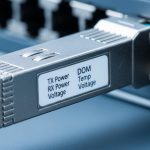
- Check electrical and control features: Some SFPs include digital diagnostics (SFP MSA Digital Optical Monitoring, DOM) that provide real-time metrics. Ensure your device supports DOM if you rely on operational visibility.
- Vendor reliability and return policy: If you’re purchasing third-party modules, choose reputable vendors with clear warranty terms, RMA processes, and certifications to minimize risk.
Technical details you should know
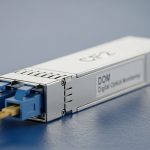
- Digital Diagnostics (DOM): Many modern SFPs support DOM, offering real-time data like temperature, input/output optical power, and supply voltage. This is invaluable for proactive maintenance and troubleshooting.
- LC/connector compatibility: Most SFPs use LC duplex connectors for fiber. Ensure clean, proper termination and connector health to maintain link integrity.
- Power budgets: SFPs specify maximum transmit power and required receiver sensitivity. Ensure your link budget supports the chosen wavelength and fiber type to avoid unexpected dropouts.
- Thermal considerations: Higher-speed modules can generate more heat. Ensure chassis has adequate airflow and consider mounting density to prevent thermal throttling or failures.
- MDI/MDIX awareness: In most SFP copper DAC setups, the device and host must be correctly configured for MDI/MDIX auto-sensing. The optical SFPs do not use MDI/MDIX in the same way as copper.
Common myths and how to avoid them
- “All SFPs are the same if they fit physically.” Not true. The wavelength, reach, and DOM capabilities vary widely. Always confirm electrical signaling, wavelength, and supported feature sets.
- “Third-party SFPs invalidate warranties automatically.” Many vendors allow third-party modules under certain conditions. Check policy and procurement terms to avoid surprises.
- “More expensive equals better quality.” Expensive modules may offer extended warranties or higher performance, but for standard links, cost-effective SFPs from reputable brands can be sufficient if they meet the MSA requirements and your device’s compatibility matrix.
Conclusion: SFP MSA standards as your interoperability bridge
The SFP module MSA standards provide the essential bridge between diverse vendors, ensuring physical fit, electrical compatibility, and predictable performance. By understanding the scope of these standards—mechanical form factor, electrical interface, optical characteristics, and supported features—you can design flexible, future-proof networks. The practical takeaway is clear: verify device compatibility, match wavelength and reach to your fiber plant, consider diagnostics and thermal needs, and choose reputable suppliers. With these considerations aligned to MSA standards, you’ll enjoy a robust, scalable, and interoperable SFP-based network infrastructure.