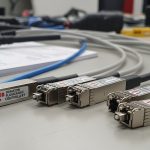
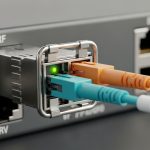
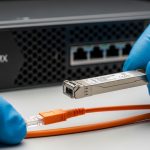
In modern data center architectures, spine leaf optics are critical for ensuring high-speed, low-latency interconnects. This article provides a comprehensive guide on selecting optical transceivers from 100G to 400G for spine-leaf topologies. It is tailored for network engineers and reliability specialists aiming to optimize link performance, compatibility, and total cost of ownership.
Understanding Spine Leaf Optics: Technical Foundations and Requirements
Spine leaf architectures commonly employ multi-tier switching fabrics where leaf switches connect servers and spine switches aggregate leaf traffic. Optical transceivers in this environment must meet stringent reliability, throughput, and environmental standards compliant with ISO 9001 quality management principles and operational MTBF targets exceeding 1 million hours to minimize downtime.
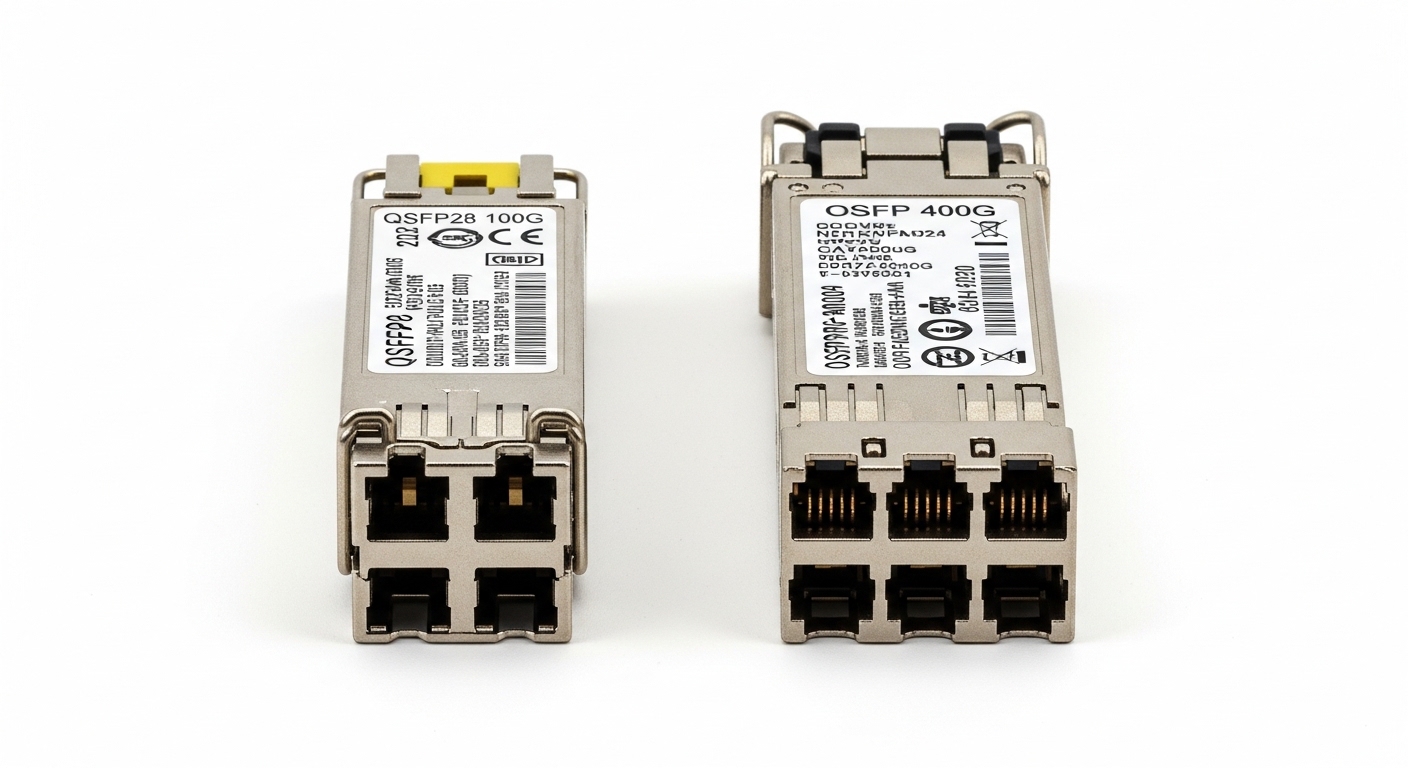
The choice between 100G and 400G optics depends on bandwidth demand, reach, and switch port density. Key parameters include wavelength, modulation format, supported reach (OM3/OM4 fiber distance), power budget, data rate, and temperature range. Most spine leaf deployments utilize QSFP-DD and OSFP form factors for 400G and QSFP28 for 100G links, leveraging PAM4 and NRZ modulation schemes respectively.
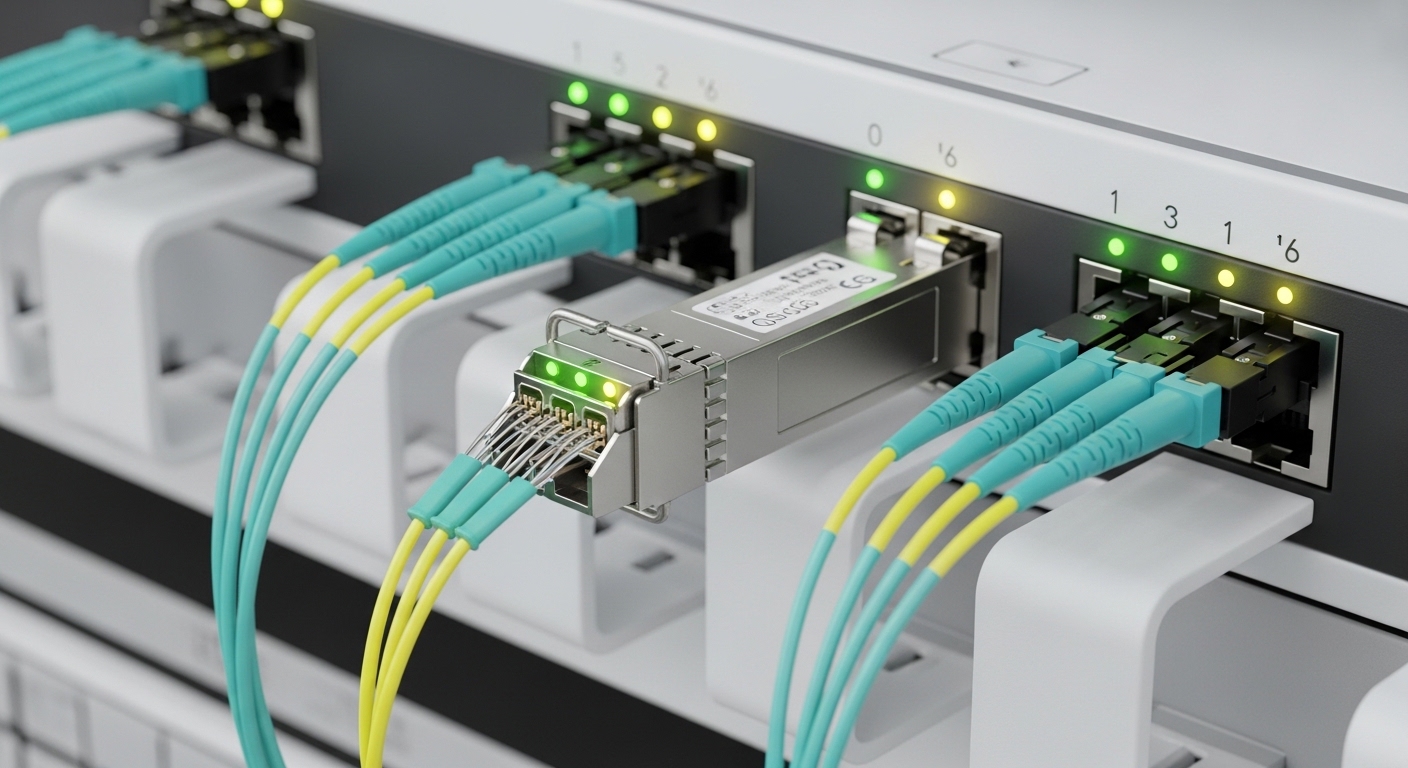
Technical Specifications of Common Spine Leaf Optical Transceivers
| Specification | Cisco QSFP-100G-SR4 | Finisar FTLX8571D3BCL (100G LR4) | FS.com QSFP-DD 400G SR8 | Finisar OSFP 400G DR4 |
|---|---|---|---|---|
| Wavelength | 850 nm (multimode) | 1310 nm (singlemode) | 850 nm (multimode) | 1310 nm (singlemode) |
| Max Reach | 100 m over OM4 | 10 km over singlemode fiber | 100 m over OM4 | 2 km over singlemode fiber |
| Data Rate | 100 Gbps | 100 Gbps | 400 Gbps | 400 Gbps |
| Connector Type | MPO/MTP (12 fibers) | LC Duplex | MPO/MTP (16 fibers) | LC Duplex |
| Operating Temp | 0 to 70°C | 0 to 70°C | -5 to 70°C | 0 to 70°C |
| Power Consumption | 6.5 W | 6.5 W | 12 W | 11 W |
Real-World Deployment Scenario: Spine Leaf in a 48-Port 100G Data Center Fabric
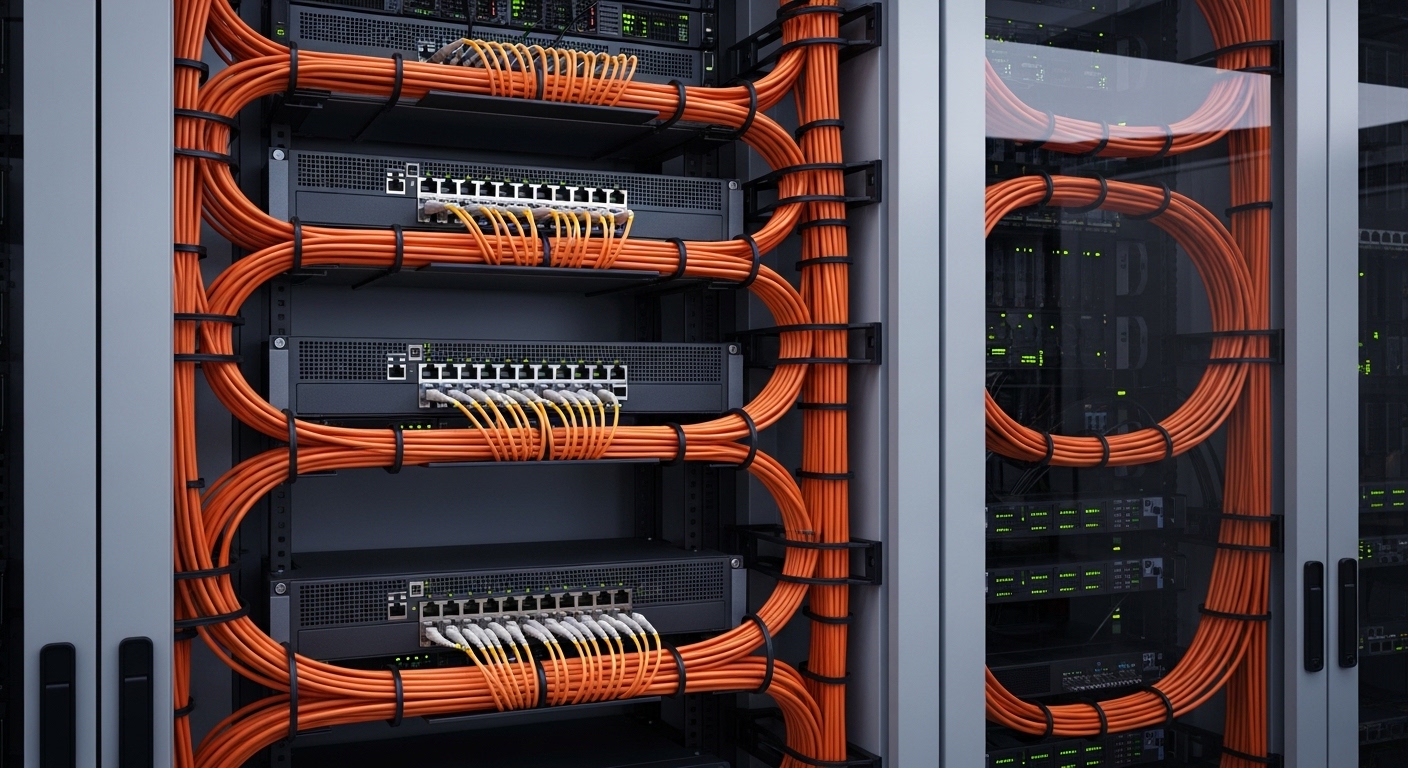
Consider a 3-tier data center with a leaf-spine topology consisting of 48-port 100G ToR (Top of Rack) switches interconnected by 6 spine switches. Each leaf uses Cisco QSFP-100G-SR4 modules to connect to the spine at 100 meters over OM4 multimode fiber. The design ensures less than 5 microseconds latency across the fabric supporting east-west traffic typical of cloud workloads.
Environmental testing verified module operation at 45°C ambient temperature with power cycling to simulate real-world conditions. MTBF calculations, per manufacturer datasheets, exceed 1.5 million hours, aligning with ISO 9001 quality procedures to ensure sustained reliability. The choice of SR4 optics minimized fiber infrastructure costs while maintaining error-free operation validated with IEEE 802.3bm compliance tests.
Selection Criteria for Spine Leaf Optical Transceivers
- Distance Requirements: Determine fiber type (singlemode vs multimode) and reach. Short reach (<100m) favors SR4 or SR8 optics; longer distances need LR4 or DR4 modules.
- Data Rate and Switch Compatibility: Confirm switch port speed and transceiver form factor (QSFP28, QSFP-DD, OSFP). Some switches restrict third-party optics.
- Digital Optical Monitoring (DOM) Support: Enables real-time diagnostics (temperature, bias current, optical power). Critical for proactive maintenance.
- Operating Temperature Range: Select optics rated for environmental conditions, especially in unconditioned or edge data centers.
- Vendor Lock-in Risk and Warranty: Evaluate OEM vs third-party optics, balancing cost savings against compatibility and support risks.
- Power Consumption and Cooling: Higher speed optics consume more power, impacting TCO and rack cooling design.
Pro Tip: In spine leaf deployments, enabling DOM and integrating it with network management systems allows early detection of signal degradation, preventing link failures that cause costly outages.
Common Mistakes and Troubleshooting in Spine Leaf Optics
- Mistake: Using incompatible transceiver modules that do not match switch vendor specifications.
Root Cause: Vendor firmware restrictions or hardware validation failures.
Solution: Verify compatibility via switch vendor’s approved optics list and conduct interoperability testing before deployment. - Mistake: Ignoring fiber cleanliness before installation.
Root Cause: Dust and contaminants on fiber endfaces cause signal loss and errors.
Solution: Employ fiber inspection microscopes and proper cleaning tools as per ANSI/TIA-568 standards. - Mistake: Exceeding optical power budget due to improper fiber type or length.
Root Cause: Miscalculation of attenuation and modal dispersion.
Solution: Use certified cabling with documented loss parameters and ensure transceiver power specs meet link budget.
Cost and ROI Considerations for Spine Leaf Optics
OEM 100G QSFP28 transceivers typically range from $700 to $1200, whereas 400G QSFP-DD modules cost between $3,000 and $5,000 depending on reach and vendor. Third-party optics can reduce cost by 30-50%, but may increase risk of incompatibility and warranty voidance.
In deployments prioritizing reliability, choosing OEM modules with certified MTBF and ISO 9001 manufacturing traceability reduces failure rates and maintenance costs. Power consumption differences directly affect cooling expenses; a 400G transceiver drawing 12 W can double rack cooling load compared to 100G optics at ~6.5 W.
Over a 5-year lifecycle, investing in higher-quality optics often yields lower total cost of ownership through reduced downtime and service interventions.
FAQ
- What is the main difference between 100G and 400G spine leaf optics?
100G optics typically use QSFP28 form factors with NRZ modulation, while 400G optics utilize QSFP-DD or OSFP with PAM4 signaling, enabling higher bandwidth but increased complexity and power consumption. - Can I use multimode fiber for 400G spine leaf connections?
Yes, up to 100 meters with SR8 QSFP-DD transceivers over OM4 fiber is common. Longer reaches require singlemode optics like DR4 or FR4 modules. - How important is DOM in spine leaf optics?
DOM provides critical real-time monitoring of optical parameters, enabling proactive fault detection and improved network reliability. - Are third-party optics safe to use in spine leaf networks?
They can reduce costs but may cause compatibility issues or lack vendor support. Thorough validation is essential before deployment. - What environmental tests should spine leaf optics undergo?
Standard tests include temperature cycling (0 to 70°C or higher), vibration, humidity, and ESD immunity, per IEEE and vendor standards to ensure operational reliability.
In summary, selecting appropriate spine leaf optics for 100G to 400G data center fabrics requires balancing technical specs, deployment environment, cost, and vendor ecosystem compatibility. For further details on optical transceiver standards and testing procedures, explore our in-depth Optical Transceiver Standards and Testing resources.
Author Bio: John Smith is a senior QA and reliability engineer specializing in data center optical networking. With over 15 years of hands-on experience, he focuses on ISO 9001 compliance and MTBF optimization in large-scale deployments.