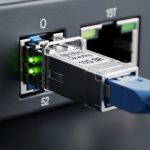
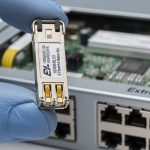
Choosing the right third party SFP module for your network switch can be daunting. This article explains how to match fiber optic transceivers to your switches, ensuring compatibility, performance, and reliability. Network engineers and IT professionals managing mixed-vendor environments will find actionable insights and detailed specs here.
Understanding Third Party SFP Compatibility
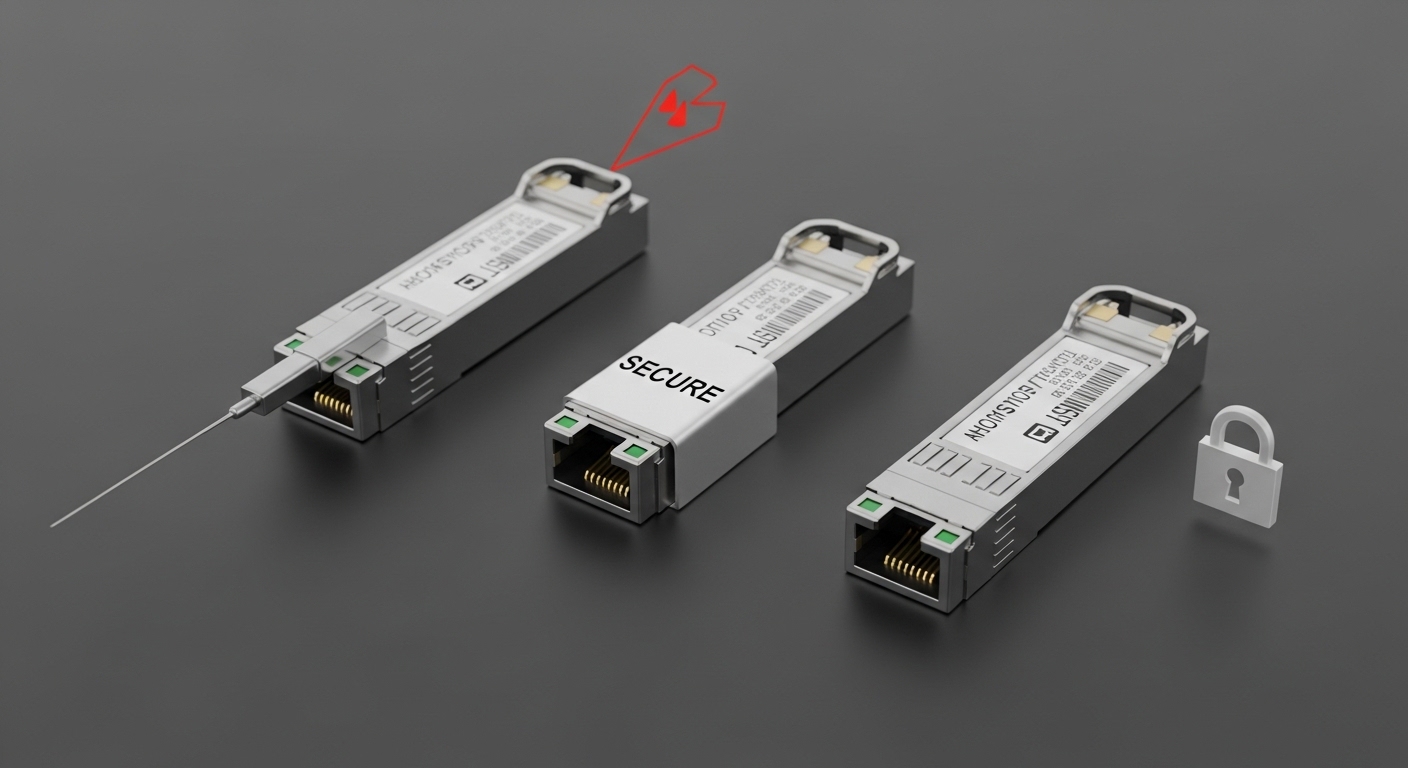
SFP (Small Form-factor Pluggable) transceivers are critical for extending network reach through fiber or copper connections. Vendors like Cisco, Juniper, and Arista manufacture switches that often prefer proprietary or certified modules. However, third party SFPs from manufacturers like FS.com, Finisar, and others provide cost-effective alternatives.
Compatibility issues can arise due to differences in firmware, digital diagnostics (DOM), and electrical signaling standards. For example, Cisco switches might reject non-Cisco SFPs without firmware hacks or specific compatibility modes. Understanding physical, electrical, and protocol-level standards is essential.
Technical Specifications: Comparing Popular Third Party SFP Modules
The following table compares three common third party SFP modules designed for 10 Gigabit Ethernet, illustrating key parameters that affect compatibility and performance.
| Parameter | FS.com SFP-10GSR-85 | Finisar FTLX8571D3BCL | Cisco SFP-10G-SR (for reference) |
|---|---|---|---|
| Wavelength | 850 nm | 850 nm | 850 nm |
| Max Reach | 300 m (OM3 fiber) | 300 m (OM3 fiber) | 300 m (OM3 fiber) |
| Data Rate | 10 Gbps | 10 Gbps | 10 Gbps |
| Connector Type | LC Duplex | LC Duplex | LC Duplex |
| Operating Temp. | 0 to 70 °C | 0 to 70 °C | 0 to 70 °C |
| DOM Support | Yes | Yes | Yes |
| Vendor Lock-in Risk | Low | Low | High |
| Typical Price (per unit) | $150-$180 | $180-$220 | $400-$500 |
Real-World Deployment Scenario
In a 3-tier data center leaf-spine topology with 48-port 10G ToR switches from Cisco, a mid-sized enterprise tested third party SFP-10GSR-85 modules to reduce costs. They deployed 120 third party SFPs across leaf and spine switches connecting servers and storage arrays. The modules supported DOM (Digital Optical Monitoring), enabling realtime diagnostics through Cisco’s CLI. After initial compatibility verification, network performance metrics such as BER (Bit Error Rate) remained below 10⁻¹² at all times, and latency was consistent with OEM modules.
However, engineers disabled Cisco’s strict module authentication temporarily during rollout to accept the third party modules, a known workaround documented in Cisco forums. The cost savings were approximately 60% compared to OEM parts, with zero observed packet loss or link flaps over six months.
Selection Criteria for Choosing Third Party SFP Modules
When selecting a third party SFP, network engineers consider several critical factors in order of priority:
- Distance and Fiber Type: Match wavelength and reach to fiber optic cabling (OM1/OM2/OM3/OM4 for multimode, or single-mode for long haul).
- Switch Compatibility: Verify firmware and hardware compatibility with your switch vendor and model. Some vendors require specific firmware versions or allow disabling authentication checks.
- Digital Optical Monitoring (DOM) Support: Ensure the SFP supports DOM if you rely on diagnostic feedback for optical power, temperature, and voltage monitoring.
- Operating Temperature Range: Check if transceivers can operate reliably in your environment, especially for outdoor or industrial settings.
- Budget Constraints: Balance initial cost savings against potential risks such as increased failure rates or lack of vendor support.
- Vendor Lock-in Risk: Consider whether vendor-specific features or warranties might be voided by using third party modules.
Common Mistakes and Troubleshooting Tips
- Switch Rejects Third Party SFPs: Root Cause: Switch firmware enforces vendor-specific authentication. Solution: Use firmware workarounds or buy modules certified for your switch brand. Some switches allow disabling authentication via CLI commands.
- Link Flapping or Intermittent Connectivity: Root Cause: Poor quality or mismatched transceiver power levels. Solution: Check optical power budget and replace with modules that meet or exceed switch specifications. Verify fiber cleanliness and connector integrity.
- No DOM Data Visible: Root Cause: Module lacks DOM support or incompatible with switch’s monitoring protocol. Solution: Confirm DOM compatibility before purchase; some third party vendors offer custom firmware for DOM enablement.
Cost and ROI Considerations for Third Party SFP Modules
Third party SFPs typically cost 40-70% less than OEM counterparts. For example, Cisco 10G SR modules retail around $400-$500, while reputable third party models range from $150-$220. This translates to substantial savings in large-scale deployments.
However, total cost of ownership (TCO) must consider failure rates, warranty coverage, and potential troubleshooting labor. OEM modules often come with vendor support and guaranteed compatibility, reducing risk during critical outages. Some third party vendors provide extended warranties and RMA policies, narrowing this gap.
Power consumption differences are usually negligible but worth comparing for large, power-sensitive data centers. In practice, many enterprises achieve positive ROI by mixing third party SFPs with OEM modules based on critical link prioritization.
Pro Tip: Many network engineers discover that enabling the switch’s “allow unsupported transceiver” mode or applying a minor firmware patch can unlock full compatibility with third party SFPs — but always validate this process on non-production switches first to avoid downtime.
FAQ
- Q: Will third party SFP modules harm my switch hardware?
- A: Generally, third party SFPs adhere to IEEE 802.3 standards, avoiding physical damage. However, incompatible modules might cause link instability or void switch warranties.
- Q: How do I verify if a third party SFP is compatible with my switch?
- Check vendor compatibility lists, firmware release notes, and user reports from forums. Testing in a lab environment before wide deployment is advisable.
- Q: Is DOM support important in third party SFPs?
- Yes, DOM provides real-time diagnostics critical for proactive network management. Choose third party modules explicitly supporting DOM for your switch vendor.
- Q: Can third party SFPs achieve the same performance as OEM modules?
- When sourced from reputable manufacturers and matched correctly, third party SFPs can deliver identical performance metrics, including BER and latency.
- Q: Are there legal risks using third party SFPs with branded switches?
- Some switch vendors restrict usage via firmware or licensing. Review vendor terms and consider operational risk before deployment.
In summary, selecting and deploying third party SFP modules requires thorough compatibility validation and understanding of network requirements. When done correctly, they offer significant cost savings without sacrificing performance or reliability. For further reading on fiber optic transceivers and network optimization, explore choosing fiber optic transceivers for data centers.
Author Bio: Alex Harper is a network engineer and travel blogger with over a decade of hands-on experience deploying fiber optic networks in enterprise and data center environments worldwide. He combines technical expertise with real-world insights to help IT pros make informed hardware decisions.