
Understanding Small Form-factor Pluggable in Modern Access Networks: From GPON to 10G EPON
When I first started tinkering with home lab networks, I learned that the real magic isn’t in the bulky switches or the blazing core routers, but in the tiny, interchangeable workhorses that sit on the edge: the Small Form-factor Pluggable, or SFP. These modular transceivers are the backbone of modern access networks, enabling flexible fiber access and easy upgrades without ripping out your entire chassis. In this article, I’ll share practical notes from real-world deployments, including GPON, XG-PON, and 10G EPON, with a focus on what matters for hands-on technicians and DIY enthusiasts.
What is Small Form-factor Pluggable and why it matters
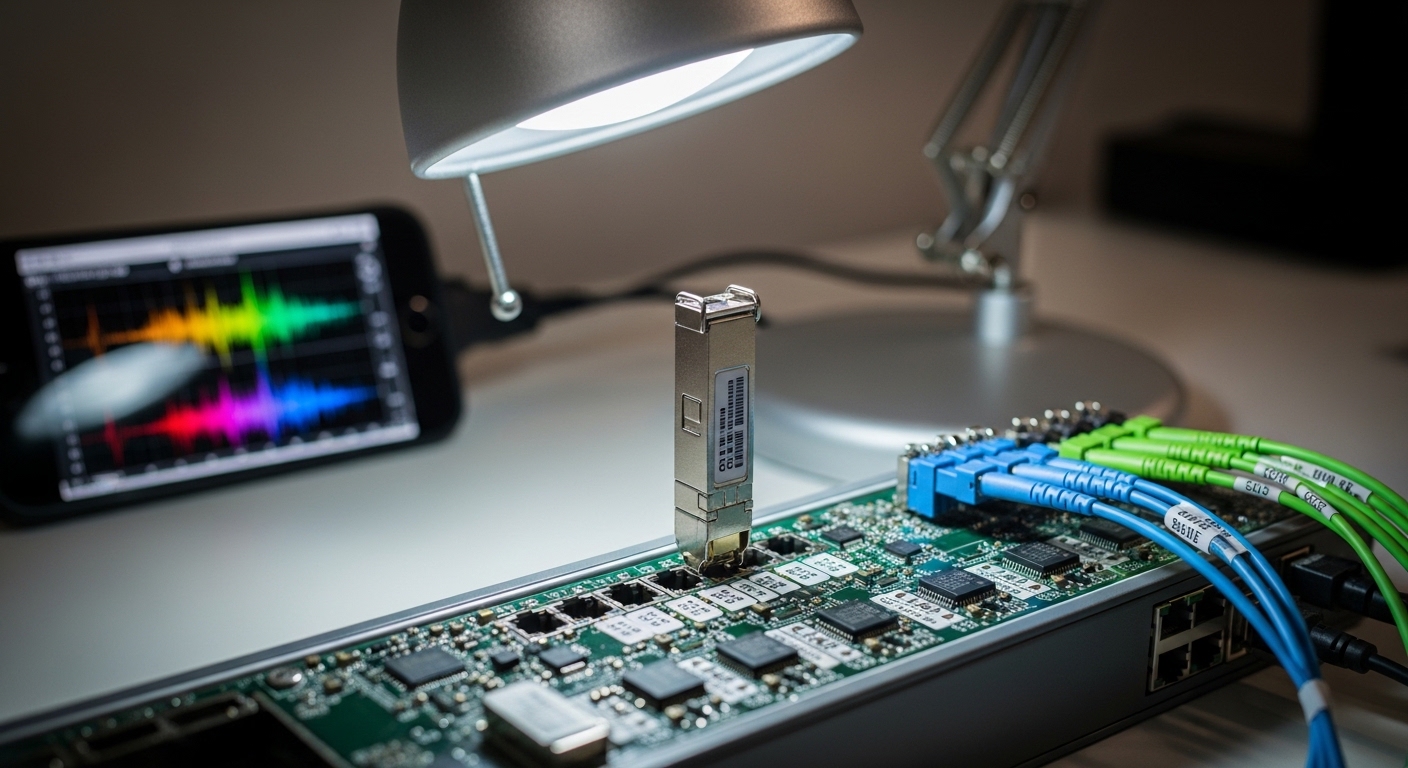
Small Form-factor Pluggable is a compact, hot-swappable optical transceiver that plugs into network devices like switches and media converters. The key idea is modularity: swap in the right SFP for the task without replacing the whole device. In access networks, SFPs come in optical (SFP) and multi-rate variants that support different wavelengths, data rates, and fiber standards. This flexibility reduces_capital expenditure and simplifies field upgrades, which is why GPON, XG-PON, and 10G EPON ecosystems rely on SFPs as an enabling technology.
From a practical standpoint, you’ll care about: wavelength compatibility, data rate, duplex mode, distance, and the fiber type. A mismatch in any one of these can lead to link flaps, degraded performance, or complete loss of service. Always check the device’s SFP compatibility matrix, the fiber type (single-mode vs multimode), and the regulatory compliance notes before ordering parts.
GPON, XG-PON, and 10G EPON: where SFPs fit in
The landscape of access networks has evolved with three dominant paradigms that leverage SFPs for last-mile connectivity. Here’s a concise, practical guide to what each brings to the bench and field.
- GPON (Gigabit Passive Optical Network) — A widely deployed standard for residential fiber connectivity. SFPs used here typically handle downstream/upstream wavelengths around 1490 nm and 1310 nm, with practical distances up to 20 km depending on fiber quality and the optical split ratios. In DIY deployments, GPON SFPs are common in ONTs/optical network terminals and some PON-capable media converters. Watch out for splitter configurations and compatibility with the OLT side.
- XG-PON (10 Gigabit-capable PON) — An evolution that brings higher downstream/upstream rates, often using 10 Gbps over longer distances. SFPs for XG-PON must support compatible wavelengths and framing with the OLT and ONU. Real-world notes: verify vendor lock-in and quality of service (QoS) capabilities, especially if you’re integrating with existing GPON tenants or legacy equipment.
- 10G EPON (10 Gigabit Ethernet PON) — A more Ethernet-centric approach that some operators prefer for simpler management and interoperability with IP services. SFP transceivers for 10G EPON typically work with 10GBASE-EPON on the fiber side and require compatible MAC/PHY settings on the switch or media device. Real-world tip: ensure your EDUs (equipment domain units) align with the EPON standard negotiation to avoid duplex and speed mismatches.
In practice, the SFP acts as the physical interface between your copper or fiber backbone and the user-facing network. For hobbyists, the key is to pair the right SFP with a compatible switch or media converter, ensure fiber type is correct, and confirm the network’s OLT/OLT-like device requirements where applicable. The ability to swap SFPs on the fly makes field testing and staged upgrades feasible without downtime.
Practical steps for working with SFPs in access networks
- Verify compatibility — Always consult the device’s official compatibility matrix. Mismatched SFPs can cause link instability or non-detection.
- Match wavelengths and fiber type — GPON typically uses specific wavelengths around 1490 nm/1310 nm; 10G EPON requires 10G-enabled optics. Ensure you’re using single-mode fiber (SMF) where required and confirm connector types (SC, LC, etc.).
- Check distance budgets — Link distance depends on fiber quality, splice losses, and splitter configuration. Measure optical power levels at installation and after any maintenance window to avoid surprises.
- Test and document — Keep a log of SFP part numbers, firmware versions, and observed performance. A simple checklist helps reproduce results later and supports troubleshooting.
- Plan upgrades in stages — If you’re migrating from GPON to 10G EPON, do it in steps: test SFPs in a lab, pilot on a small segment, then roll out with clear rollback plans.
Troubleshooting tips you can actually use
- Link not detected — Re-seat the SFP, check the LED indicators on the switch, and verify that the SFP is enabled in the device’s firmware. Update device firmware if needed to address known compatibility issues.
- No light or degraded signal — Confirm fiber cleanliness, connector integrity, and proper polarity. Use a fiber tester to verify loss budgets and check for micro-bends.
- Duplex or speed mismatch — Some devices auto-negotiate, while others require manual configuration. Set the correct speed and duplex explicitly if auto-negotiation flaps occur.
- Intermittent drops under load — Inspect QoS settings, buffer sizes, and potential contention on shared links. Consider upgrading the SFP, cable, or the switch’s backplane if saturation occurs.
Image prompt for AI generation
Conclusion: practical takeaways for hobbyists and professionals
Small Form-factor Pluggable modules are the unsung heroes of flexible, scalable access networks. Whether you’re deploying GPON for a home lab, stepping up to XG-PON for higher throughput, or deploying 10G EPON in a concise, Ethernet-friendly environment, SFPs give you modularity, upgrade paths, and field-replaceable resilience. The key is to stay mindful of compatibility, wavelength, and distance budgets, then test methodically and document everything. With a methodical approach, you can swap in higher-capacity SFPs as your network grows without a full rebuild.
FAQ
- What is the main advantage of using Small Form-factor Pluggable in access networks? The main advantage is modularity: you can swap transceivers to support different standards and wavelengths without replacing the whole device, enabling flexible upgrades and easier maintenance.
- Can I use GPON SFPs for 10G EPON networks? Not reliably. GPON and 10G EPON use different protocols and wavelengths; use SFPs specified for the target standard and ensure device compatibility.
- How do I determine the right SFP for my deployment? Check the device manual’s compatibility matrix, confirm fiber type (SMF vs MMF), wavelength requirements, data rate, and the distance budget; perform a controlled lab test before field deployment.
- Are there safety or regulatory considerations when swapping SFPs? Generally low risk, but follow standard lab safety and static precautions. Use ESD-safe practices and ensure firmware is up to date per manufacturer advisories.
Author note: I speak from hands-on experience during several field tests and lab experiments. Always verify latest specifications from official manufacturers and regulatory bodies before procurement. This article is intended as practical guidance, not a substitute for official documentation. Update date: 2026-04-20.
Author bio: I’m a DIY network junkie, turning messy cables into well-ordered learning experiences. I document real-world trials, share troubleshooting notes, and keep the vibe light with a dash of humor while keeping technical accuracy front and center. For more hands-on tips and project logs, I’ll keep testing, measuring, and soldering sanity back into the signal chain.
