
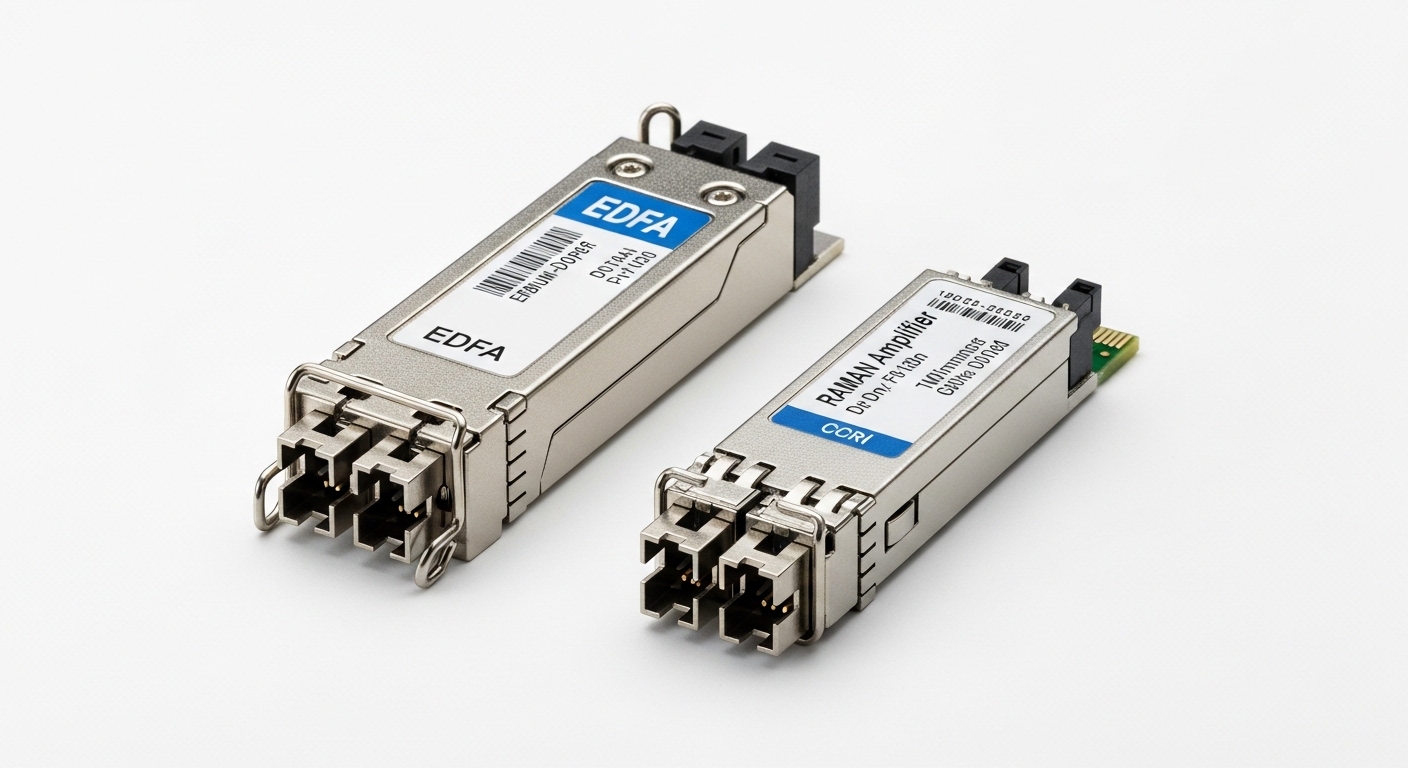
Small Form-factor Pluggable: a compact connector for scalable DWDM deployments
In modern dense wavelength division multiplexing (DWDM) networks, the ability to mix and match components without sacrificing performance is essential. The term Small Form-factor Pluggable, or SFP, denotes a family of hot-swappable transceiver modules designed to plug into network devices with minimal downtime. From edge routers to core switches, SFPs enable operators to tailor connectivity by speed, distance, and wavelength. In this article, I draw on practical experience with high-capacity optical links, emphasizing how SFPs contribute to flexible, cost-efficient deployments in DWDM environments.
What exactly is a Small Form-factor Pluggable module?
A Small Form-factor Pluggable module is a compact, standardized transceiver that handles electrical-to-optical or optical-to-electrical conversion. SFPs come in various variants, including SFP, SFP+, and QSFP, each supporting different data rates and fiber types. The primary advantage is modularity: devices can be upgraded or replaced without reworking cabling, enabling operators to support evolving network protocols and services. In practice, selecting the right SFP involves matching data rate, distance, and wavelength with the DWDM system’s spectral grid and amplification strategy.
How SFPs fit into DWDM networks
DWDM networks rely on tight control of optical power, channel spacing, and amplification to maximize capacity. SFPs serve as the interface points that translate electrical signals into optical signals for each wavelength channel. When designed for DWDM, SFPs must comply with standards for optical output power, receiver sensitivity, and spectral compatibility. In many deployments, multiple SFP variants are used along a single path to optimize reach and reliability. The interplay between SFPs and optical amplifiers—such as EDFA (erbium-doped fiber amplifier) and Raman amplification—determines how far a signal can travel before regeneration is required.
Optical amplifiers in DWDM networks: EDFA and Raman explained
Amplification is the backbone of long-haul DWDM links. Two mainstream amplification approaches are EDFA and Raman. EDFA amplifiers boost signal strength within the fiber by doped erbium ions, offering high gain with relatively flat amplification over a broad C-band, which suits many SFP-based DWDM paths. Raman amplification, on the other hand, uses distributed or discrete pumps to transfer power to the signal along the fiber, enabling flexible gain profiles and extended reach, especially for non-standard wavelengths or when non-traditional fiber routes are involved. In practice, you may see EDFA used for fixed-node amplification with centralized gain control, while Raman can be leveraged to push reach in network segments where fiber loss dominates. Working with both requires careful planning of pump wavelengths, gain shaping, and noise management to preserve signal integrity. ITU-T standards and Raman amplification overview provide foundational guidance for selecting amplification strategies.
Practical considerations when choosing SFPs for DWDM
- Speed and distance: Match SFP data rate with the DWDM channel plan and the required reach. Common choices range from 1 Gbps to 25 Gbps per channel, with higher-density deployments often using SFP+ or QSFP variants in multi-lane configurations.
- Wavelength alignment: Ensure the SFP wavelength aligns with the DWDM grid. Misalignment can lead to poor channel isolation and increased crosstalk, undermining overall network performance.
- Power budgeting: SFP output power and receiver sensitivity determine link budget. In long-haul segments, selecting SFPs with appropriate eye safety margins and low noise figures is critical.
- Thermal and mechanical robustness: Industrial environments demand SFPs that tolerate temperature fluctuations and vibration, especially in backhaul or outdoor deployments.
- Compatibility and manageability: Prefer SFPs with standardized digital diagnostics (such as DDM/DOM) for real-time monitoring of optical parameters, allowing proactive maintenance.
Integrating SFPs with network design: a few tips
- Plan a modular path: Design DWDM routes with spare SFP slots to accommodate growth or reconfiguration without major outages.
- Mind amplification strategy: Balance reliance on EDFA and Raman based on fiber types, span lengths, and noise performance.
- Test in stages: Validate link budgets in the lab, then perform staged field trials to confirm performance under real-world conditions.
- Document parameters: Maintain a repository of SFP part numbers, wavelengths, fiber type, and expected power budgets to streamline troubleshooting.
Choosing a supplier and validating performance
When selecting SFPs, look for devices that meet industry standards, including compatibility with your router or switch line cards and adherence to optical specifications. Request vendor data sheets that cover optical return loss, launch power, receiver sensitivity, and temperature range. Independent test reports and vendor validation can bolster confidence in long-term reliability. For reliability and interoperability, refer to official documents and standards bodies such as ITU-T and industry forums. ITU-T overview and IEEE standards provide essential context for transceiver interoperability.
Conclusion: unlocking scalable networks with Small Form-factor Pluggable
Small Form-factor Pluggable modules are the linchpin of flexible, scalable DWDM architectures. Their compact footprint, rapid replacement capability, and alignment with standardized interfaces enable operators to adapt to evolving bandwidth demands without overhauling infrastructure. By carefully pairing SFPs with suitable amplification strategies—EDFA for broad, centralized gain and Raman for distributed, reach-boosting amplification—you can extend link distances and improve overall network resilience. The practical approach involves disciplined planning, thorough testing, and ongoing monitoring to maintain clean, high-quality optical paths.
FAQ
- What is the primary role of a Small Form-factor Pluggable module in a DWDM network?
A: It serves as a modular transceiver that converts electrical signals to optical signals (and vice versa) at the network edge or core, enabling quick upgrades and flexible channel management. - Why are EDFA and Raman amplification often used together in DWDM systems?
A: They offer complementary advantages: EDFA provides strong, broadband gain in the fiber, while Raman offers additional, tunable amplification along the span to extend reach and compensate for specific loss profiles. - How should I approach selecting SFPs for a new deployment?
A: Define the channel plan, fiber type, and span lengths; choose SFPs with matched wavelengths and data rates; verify power budgets and thermal specs; and consult reputable datasheets and standards bodies for interoperability.
Author note: This article reflects hands-on experience with DWDM deployments, including practical considerations for integrating SFPs with optical amplifiers. Update date: 2024-06. For medical, legal, or financial topics, seek professional guidance and verify current standards before procurement or configuration.
Author bio: I am a chef-turned-technical writer who translates complex fiber optic concepts into clear, actionable guidance. With years of field deployment experience in backbone networks, I emphasize reliability, precision, and practical workflows to help engineers and operators build robust high-capacity links.
