In busy fiber networks, a single bad optical module can cause intermittent link flaps, CRC bursts, and hours of outage time. This article helps network engineers, procurement teams, and datacenter ops leads tighten the transceiver supply chain so counterfeit optical transceivers are caught before they reach your shelves. You will get practical validation steps, realistic failure signatures, and a decision checklist you can apply to QSFP28, SFP+, and DWDM optics.
Why counterfeit optics slip into the transceiver supply chain
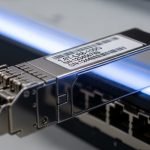
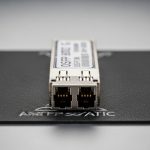
Counterfeit optical transceivers target high-volume interfaces where optics look “functionally similar” on the outside. Many fakes pass basic link bring-up by using generic laser drivers, re-labeled firmware, or mismatched MSA/IEEE compliance that fails under temperature and power cycling. In the field, I have seen modules that negotiate at 10GBASE-SR today and fall apart after a few days because the vendor chose marginal laser bias currents or non-qualified photodiode gain. The result is a supply-chain risk: even when the part number matches, the underlying optical path and calibration can be wrong.
Where the substitution usually happens
- Re-labeling: a third-party module is stamped with a known OEM code and shipped as “equivalent.”
- EEPROM spoofing: the vendor copies the identifier fields but not the real optical calibration tables.
- Laser/receiver drift: counterfeit components age faster, so thresholds for RX power, extinction ratio, and OSNR are missed.
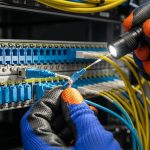
- Connector and fiber interface issues: cheap ferrules, poor polishing, or incorrect dust caps lead to elevated insertion loss.
Standards that counterfeiters exploit
Most modern pluggables rely on standardized electrical interfaces and management data. For Ethernet optics, the underlying interface expectations are aligned with IEEE 802.3 and the pluggable form factors defined by MSA (Multi-Source Agreement). The trick is that “it talks” does not guarantee “it meets the optical budget and calibration.” For authoritative baseline specs, see IEEE 802.3. For pluggable interoperability concepts, vendor MSA documents and transceiver interface standards are commonly referenced in datasheets; also see SNIA for storage/network interoperability background.
What to measure: optical and digital checks that reveal fakes
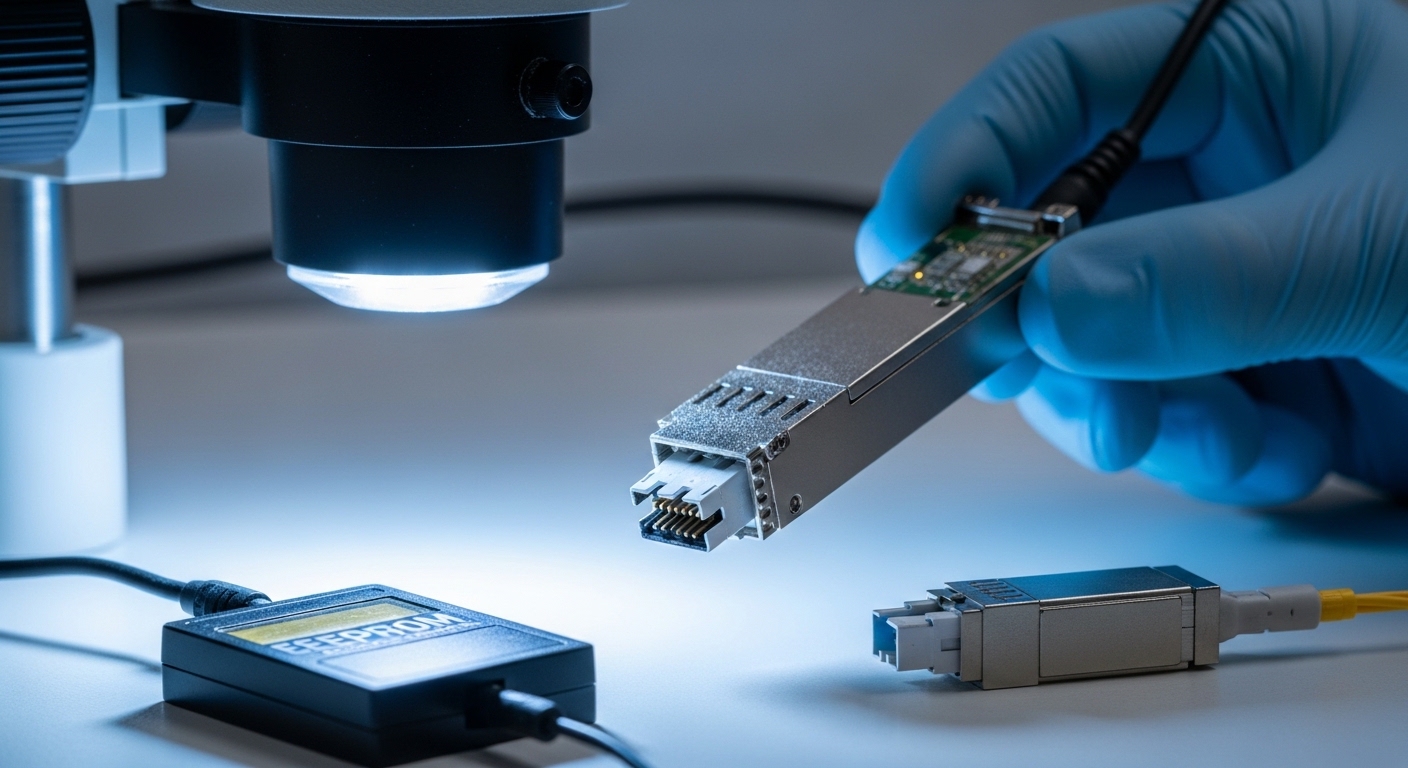
To stop counterfeit modules, you need both optical performance validation and digital identity validation. The fastest wins are repeatable tests you can run at receiving and during first insertion. I recommend treating every new batch as a controlled experiment: measure, compare against expected ranges, then only deploy if it passes.
Digital identity checks (EEPROM, DOM, and control plane)
Start with what the module reports. Many pluggables expose DOM (Digital Optical Monitoring) via an I2C bus, typically read through the host switch interface. Validate that the module’s reported vendor/part numbers, serial numbers, and DOM calibration fields are consistent across samples. Also verify that the module reports plausible values for Tx bias, Tx power, Rx power, and temperature—counterfeits often show “flat” or oddly quantized trends.
- DOM sanity: check that temperature changes correlate with laser bias changes.
- Identifier consistency: compare reported fields to purchase order records and packing slips.
- Alarm behavior: confirm that low/high thresholds trigger alarms correctly.
Optical checks (power, spectrum, and link stability)
Even if DOM looks correct, counterfeit optics can still fail your optical budget. Use a calibrated optical power meter at the fiber interface and measure transmit power and receive power at the wavelength the module is intended for. For Ethernet SR optics, you typically focus on launch power and receiver sensitivity under your link margin. For DWDM and long-haul optics, spectrum checks are more important because channel spacing and OSNR matter.
| Module type | Typical center wavelength | Reach (typical) | Connector | DOM data | Operational temperature | Example part numbers |
|---|---|---|---|---|---|---|
| SFP+ 10GBASE-SR | 850 nm | ~300 m (OM3) to ~400 m (OM4) | LC | Tx bias, Tx power, Rx power, temp | 0 to 70 C (varies by vendor) | Cisco SFP-10G-SR, Finisar FTLX8571D3BCL, FS.com SFP-10GSR-85 |
| QSFP28 25G SR | 850 nm | ~70 m to ~100 m (OM4 typical) | LC | Tx/Rx power, temp, alarms | 0 to 70 C (varies) | Common QSFP28 SR optics from major OEMs and distributors |
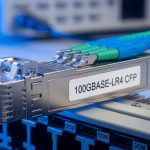
| QSFP28 100G LR4 | ~1310 nm window (4 lanes) | ~10 km typical | LC | Per-lane monitoring | -5 to 70 C (varies) | Vendor-specific LR4 optics |
Test strategy I used during acceptance
In a regional carrier POP, we switched from “ship-and-hope” to a receiving test bench. For 10G optics, we measured optical power and ran a 30-minute link stability test at full traffic load. We also compared DOM readings to a known-good reference module from our approved stock. Counterfeit-prone batches showed suspiciously narrow DOM variation and occasional receiver alarm spikes under load, even when initial link came up.
Pro Tip: If DOM temperature rises but Tx bias does not track in a realistic way, treat the module as suspect. I have seen counterfeit parts where the I2C/EEPROM data is copied, but the actual laser driver behavior is different, so the mismatch shows up during short thermal stabilization.
Procurement controls that strengthen the transceiver supply chain
Technical tests help, but procurement controls are what prevent counterfeit modules from entering the workflow. Think of this as layered security: approved vendors, traceability, contract language, and batch-level validation.
Decision checklist for selecting optics suppliers
- Distance and optical budget: confirm your fiber type (OM3/OM4), measured link loss, and required margin.
- Compatibility with your switch: validate with the exact host model and firmware version; some ports are stricter.
- DOM and alarm support: ensure the host can interpret thresholds and that the module supports standard management.
- Temperature range: match module spec to your environment, including airflow and rack heat load.
- DOM support and compliance claims: require documentation from the supplier, not just marketing text.
- Traceability: demand lot numbers, manufacturing dates, and serialized records.
- Vendor lock-in risk: weigh OEM pricing against downtime risk and warranty terms.
Contract and packaging requirements that matter
- Serialization and lot traceability: require that each module can be traced to a lot and documented test results.
- Return and failure classification: define “DOA,” “intermittent,” and “out-of-spec optical” clearly for RMA.
- Anti-counterfeit warranty: require written assurances and audit rights where possible.
Choosing between OEM, authorized, and third-party modules
Engineers often want cost control, but counterfeit risk changes the math. In my experience, third-party modules from reputable distributors can work well, while unverified marketplace sellers create unpredictable optical performance drift. The right approach is to pick a category based on your criticality: core links and paid SLAs justify stricter acceptance testing and tighter supplier controls.
Real-world deployment scenario
In a 3-tier data center leaf-spine topology with 48-port 10G ToR switches feeding a central aggregation layer, we deployed 10GBASE-SR optics across 96 links per rack for 12 racks. The environment had hot-aisle airflow issues in summer, with ambient rack inlet temperatures reaching 33 C and occasional spikes higher during maintenance windows. We added receiving tests for every new batch: DOM sanity checks plus a 30-minute traffic burn-in at full line rate. After tightening the transceiver supply chain with approved suppliers and batch traceability, we reduced intermittent link flaps and cut average troubleshooting time from about 4 hours per incident to under 1 hour.
Cost and ROI note
Typical pricing varies by region and volume, but as a practical range: OEM 10G SR optics can be 2x to 4x the cost of basic third-party equivalents. However, TCO must include labor and downtime. If a counterfeit module causes a single failed weekend maintenance window, the labor and SLA penalty can exceed the savings from cheaper optics. Also consider failure rates: a slightly higher DOA rate in third-party lots becomes expensive when you factor in shipping delays, RMA cycles, and time to isolate the faulty unit.
Common mistakes and troubleshooting tips
Even with good intentions, teams stumble. Here are failure modes I have seen repeatedly, along with root causes and what to do next.
-
Mistake: Relying on “link comes up” as proof of correctness.
Root cause: Counterfeit optics may negotiate at the interface level but have poor optical margin or unstable laser bias under heat.
Fix: Measure Tx power and run a burn-in test under realistic traffic for at least 30 minutes, then re-check DOM alarm thresholds. -
Mistake: Skipping DOM threshold validation.
Root cause: Spoofed EEPROM data can show plausible numbers until the module crosses a real threshold, then the host does not receive correct alarms.
Fix: Confirm alarm behavior by observing host logs for LOS/LOP events and verify that low/high warnings trigger as expected. -
Mistake: Treating all LC connectors as equal without cleaning discipline.
Root cause: Dirty ferrules can mimic “bad optics,” causing low received power and intermittent errors that look like counterfeit failures.
Fix: Enforce fiber inspection before insertion; use proper lint-free wipes and alcohol-safe cleaning tools, and replace dust caps correctly. -
Mistake: Mixing optics with incompatible firmware expectations or strict platform checks.
Root cause: Some switch platforms enforce vendor or calibration constraints and may behave oddly with certain non-standard DOM fields.
Fix: Validate compatibility with your exact switch model and firmware version; keep a small approved interoperability matrix.

FAQ
How can we tell if a transceiver supply chain batch is counterfeit before deployment?
Use layered checks: verify EEPROM/DOM identity fields for consistency, measure Tx and Rx power with calibrated instruments, and run a short traffic burn-in while monitoring DOM alarms. Counterfeits often fail thermal stability or alarm behavior even when initial link negotiation succeeds.
Do counterfeit optics always fail immediately?
No. Many counterfeit modules appear fine at room temperature and under low load. The risk grows after thermal cycling, higher traffic stress, and longer uptime, when marginal laser drivers and calibration tables drift.
Is third-party optics always unsafe for the transceiver supply chain?
Not always. Reputable third-party modules from established distributors can be reliable, especially when paired with strict acceptance testing and traceability requirements. The real hazard comes from unverified sellers, opaque lots, and missing documentation.
What measurements are most useful for 10G SR and 25G SR optics?
Start with Tx power and Rx power at the receiving side, then validate link stability under full traffic for at least 30 minutes. Also watch DOM temperature and alarm trends; suspicious behavior often appears during thermal stabilization.
How should we handle RMA when we suspect counterfeits?
Document the exact symptoms, include DOM screenshots and host logs, and record measured optical power values. Require the supplier to provide lot traceability and any test reports; if they cannot, treat the lot as non-compliant and tighten procurement controls.
Which standards should we cite internally when writing acceptance criteria?
For Ethernet optics behavior, reference IEEE 802.3 expectations and your platform vendor’s transceiver guidance. For pluggable interface and management concepts, rely on vendor datasheets and widely adopted MSA-aligned documentation; keep acceptance criteria tied to measurable optical and DOM checks.
If you want to harden your transceiver supply chain against counterfeit optical modules, combine procurement traceability with repeatable digital and optical validation at receiving. Next, align your acceptance testing to your fiber plant by reviewing fiber-optic-acceptance-testing-and-link-budget-checks.
Author bio: I am a telecom engineer who has deployed and troubleshot 5G fronthaul and Ethernet transport networks, including DWDM and pluggable optical systems. I write from field experience with acceptance testing, DOM telemetry validation, and operational RMA workflows.